Sei has emerged as the inaugural Layer 1 blockchain tailored to a specific sector, with a focus on trading, providing exchanges a distinct advantage over others.
Decentralized exchanges (DEXes) are considered the standout application in the world of cryptocurrency. They are ubiquitous, extending beyond simple automated market makers (AMMs) and traditional order books to be a part of NFTs and gaming as well. A major current use for NFTs is trading them on various NFT marketplaces, which can be seen as another form of exchange. Many blockchain-based games incorporate exchanges that allow players to trade NFTs and tokens within the game. DEXes create large network effects, with entire ecosystems developing around them.
Paradoxically, DEXes remain one of the most under-supported crypto applications. They require exceptional reliability, scalability, and speed, unlike other apps. When a major exchange experiences downtime, it can be disastrous, whereas such interruptions are relatively tolerable for other applications. Historically, DEXes have thrived despite the limitations of existing Layer 1 blockchains.
What is Sei?
Sei brings a novel approach to the blockchain arena, specifically crafted to boost the capabilities and efficiency of decentralized exchanges (DEXes). It stands out as the first Layer 1 blockchain targeting a particular sector, aimed at optimizing trading activities and giving exchanges a competitive edge. This platform is built to meet the high demands of DEXes, which are pivotal to the crypto world, not only supporting asset trading but also enabling exchanges for NFTs and in-game items.
DEXes have become a cornerstone of cryptocurrency adoption and utility, especially in NFTs and gaming. However, despite their importance, DEXes have struggled due to the constraints of existing blockchain setups that often fall short in reliability, scalability, and speed. Sei tackles these challenges directly, ensuring exchanges can operate without risking serious downtimes, which aren’t as easily tolerated in trading contexts compared to other blockchain uses.
In addition to its technical strengths, Sei is committed to sustainability, aiming for a carbon-neutral footprint. This reflects a broader trend in the crypto industry toward environmental responsibility. Sei's development is reinforced by collaborations with various crypto entities, showcasing its collaborative spirit in driving innovation.
How is Sei secured?
Sei ensures its security through a comprehensive strategy that combines cutting-edge technology, rigorous security measures, and open governance. Fundamentally, Sei utilizes a Layer 1 blockchain architecture tailored for trading, which inherently strengthens its security by addressing the particular needs of decentralized exchanges (DEXes). This specialization enables Sei to deliver unmatched transaction speeds and dependability, which are crucial for DEX operations where even short downtimes can cause significant issues.
The blockchain's foundation is built on proven, reliable components that create a secure environment for transactions. This is further enhanced by a flexible ecosystem that supports seamless integration of new applications and services, increasing the platform's resilience against threats. Sei's dedication to security is also reflected in its governance model, which prioritizes transparency and community participation, ensuring the platform remains responsive to the changing needs and concerns of its users.
Sei also emphasizes nurturing a strong community by supporting promising leaders within the crypto space. By identifying and backing strong leaders, Sei not only contributes to its own ecosystem's growth but also to the larger crypto industry, fostering a safer and more dynamic environment for everyone involved.
How will Sei be used?
Sei has been crafted to act as a foundational layer for a diverse range of financial applications and services, leveraging its sector-specific Layer 1 blockchain centered on trading. Its main application lies in enabling the development of groundbreaking financial products, such as derivatives, complex financial instruments, and asset management solutions. This broad application range makes it appealing to financial institutions and developers who seek a strong, secure, and efficient platform for activities like trading and lending.
Beyond financial product innovation, Sei's utility extends to its native governance token, which plays a significant role within its ecosystem. This token is crucial for paying transaction fees, staking, and taking part in network governance decisions, allowing token holders to influence the network's direction and development, thus promoting a community-driven evolution.
Sei's specialization in trading gives it a unique edge, particularly for decentralized exchanges (DEXes). Being a critical aspect of the cryptocurrency ecosystem, DEXes facilitate trading assets, including NFTs and in-game tokens, across numerous platforms. Sei's architecture is designed to fulfill the high requirements DEXes have for reliability, scalability, and speed, tackling common challenges faced by these platforms on other Layer 1 blockchains.
Sei's market value and utility in other projects built on its blockchain enhance its role in the ecosystem, creating a vibrant environment for developers and financial institutions. By providing a sector-specific solution tailored to the unique needs of trading platforms and financial services, Sei aims to foster innovation and efficiency within the decentralized finance (DeFi) space.
As with any blockchain project or cryptocurrency, individuals should conduct thorough research and consider potential risks before engaging with or investing in these technologies.
What key events have there been for Sei?
Sei has witnessed numerous significant events that have shaped its path in the crypto world, highlighting its commitment to innovation, community engagement, and strategic expansion.
An early milestone was the formation of the Sei Marines community, aimed at cultivating a strong, engaged community around Sei, offering users a platform to connect, share insights, and contribute to the ecosystem's growth. Such community engagement is vital in the decentralized environment, helping build a loyal user base.
Sei has also focused on accessibility and involvement in broader blockchain events, providing early access to its community members. This approach keeps the community informed and engaged while positioning Sei as an active participant in the global blockchain conversation.
Introducing the sei/acc program marked another key development, likely involving technical upgrades or community initiatives aimed at improving user interaction with the blockchain.
A significant technical achievement was the Sei v2 upgrade, representing a major enhancement in the platform's infrastructure. Such upgrades typically address scalability, speed, and security challenges, helping decentralized exchanges (DEXes) overcome fundamental issues.
Strategic partnerships have been a focal point, as illustrated by the collaboration with KudasaiJP. Partnerships in the blockchain sector are crucial for growth, allowing platforms to leverage strengths, share resources, and access new user bases.
Recognition from notable entities like Coinbase Ventures and Multicoin underscores Sei's potential, highlighting the confidence these organizations have in its vision and technology. Such endorsements can boost a platform's credibility and attract further investment.
Looking ahead, Sei has made progress in enhancing its network and ecosystem. The release of Sei Network v. until March 31, 2024, indicates ongoing development and a commitment to maintaining a state-of-the-art platform. Engaging the community with AMAs across platforms and the listing on Bybit are strategic moves to increase visibility and accessibility.
Distributing SEI tokens through an airdrop is often used to attract new users and encourage participation in the ecosystem, potentially increasing the token's adoption and usage within the platform.
Sei's focus on being the first sector-specific Layer 1 blockchain specialized in trading reflects its ambition to address the unique needs of decentralized exchanges. This specialization is key in a market where DEXes are widespread yet underserved, demanding high levels of reliability, scalability, and speed.
Who are the founders of Sei?
Dan Edlebeck and Jayendra Jog, the founders of Sei, set out to fill a crucial gap in the cryptocurrency landscape, particularly concerning decentralized exchanges (DEXes). Recognizing the essential role DEXes play in sectors such as NFT marketplaces and gaming, Edlebeck and Jog identified the unique challenges these platforms face. Unlike other applications, DEXes need exceptional reliability, scalability, and speed to operate effectively. While brief downtime might be a minor issue for other apps, it can be disastrous for a DEX, highlighting the need for a robust infrastructure.
To tackle these challenges, Edlebeck and Jog developed Sei, the first Layer 1 blockchain specifically tailored to meet the needs of trading platforms. By concentrating on the specific requirements of DEXes, Sei aims to offer exchanges a significant edge, enhancing their performance and dependability. This innovation is significant in a landscape where DEXes, despite their immense network effects and crucial position in the crypto economy, have historically been underserved by existing blockchain technologies.
The creation of Sei by Edlebeck and Jog is a strategic move to empower decentralized exchanges by providing a custom solution that addresses their distinct demands. This initiative showcases the founders' deep understanding of the crypto landscape and their commitment to advancing the infrastructure that supports it. As the cryptocurrency ecosystem continues to evolve, contributions from visionaries like Edlebeck and Jog are essential in overcoming technical challenges that limit the potential of decentralized applications.
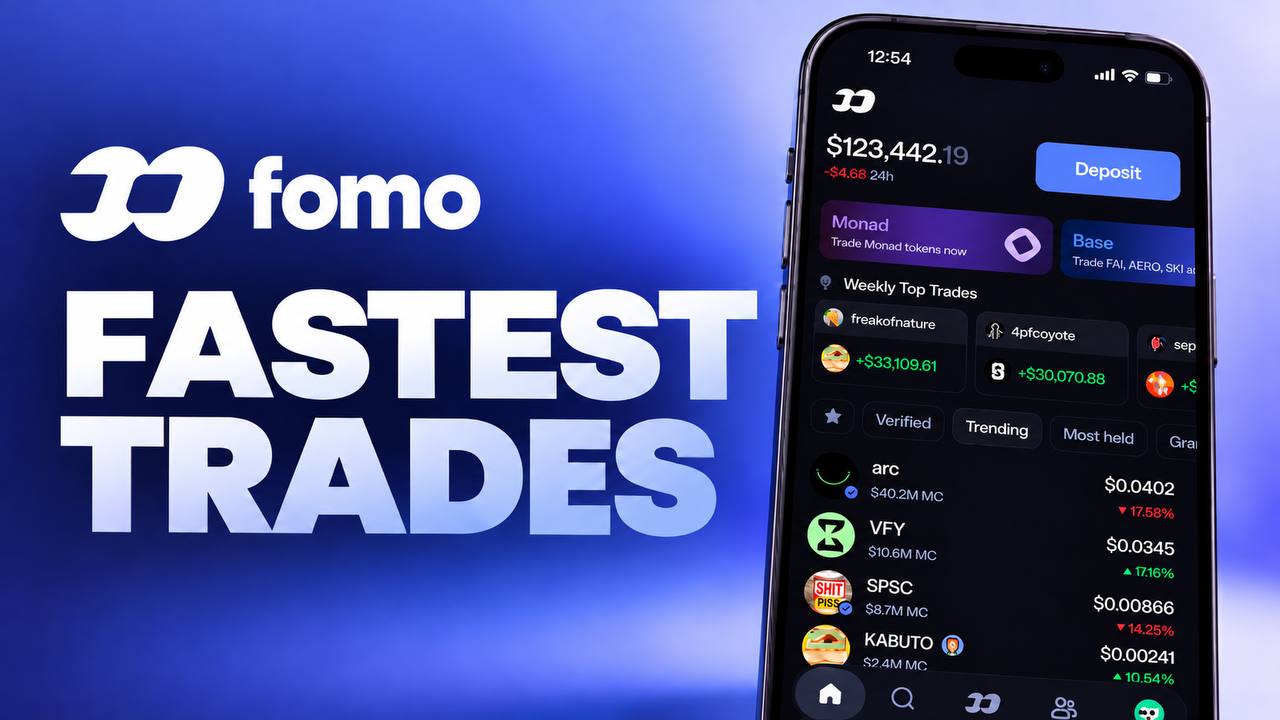
fomo Just Launched the Fastest Cross-Chain Swaps on the Market
fomo has begun the public rollout of fomo bridge, its own in-house bridge, and says cross-chain swaps on the app now land in under one second.
The bridge went live for….
cryptodaily.co.uk/2026/10/fomo-j…
JUST IN: @fomo introduces one of the fastest cross-chain swaps on the market, with transactions now completing in under 1 second.
A week ago, FOMO rolled out its own internal bridge to a small percentage of users.
The public rollout of the FOMO Bridge begins now. https://t.co/0UVRHGVXWs
S&P 500 Futures Today: $110 Oil and Netflix Earnings Put AI Rebound to the Test
S&P 500 futures edged up less than 0.1% to 7,735.25 as Brent crude reached $110.75 a barrel and Netflix prepared to report Q3 results.
cryptodaily.co.uk/2026/10/sp-500…
Turkey Confirms Richard Heart Detention and Seizure of Cash, Cold Wallets and Firearms
Turkey confirmed Richard Heart’s Istanbul detention under an Interpol Red Notice, reporting $7.15 million, six cold wallets and weapons seized.
cryptodaily.co.uk/2026/10/turkey…
Circle Targets Expansion Into 40 Emerging Markets as USDC Demand Broadens
Circle is targeting about 40 emerging markets as its Tazapay deal and renewed Binance agreement broaden $USDC distribution routes.
cryptodaily.co.uk/2026/10/circle…
Bitcoin Back in Bullish Structure, but Overbought Conditions and Firm Resistance Weigh on Price
The bulls have managed to avoid a Bitcoin breakdown out of a rising channel pattern with a 4.2% rally. However, now that the $BTC price is back inside the rising channel can it stay
Nine US Companies Object to Tokenized Share Trading on OKXICE
Nine issuers, including Broadcom and Verizon, objected to OKXICE tokenized-share trading under the SEC’s temporary venue-specific framework.
cryptodaily.co.uk/2026/10/nine-i…
World Launches Bank-Focused World ID Suite and Makes Zoom Deepfake Checks Generally Available
World unveiled a banking and finance identity suite at Money20/20, while World ID for Zoom became globally available to enterprise customers.
cryptodaily.co.uk/2026/10/world-…
Marqeta and Coinbase Partner on Stablecoin-Backed Cards With Base Settlement
Marqeta and Coinbase will combine custody, fiat conversion, Base settlement and card issuing for enterprise stablecoin-backed card programs.
cryptodaily.co.uk/2026/10/marqet…
Crypto.com and Novig Sue Missouri Over Sports Event-Contract Enforcement
Crypto.com-linked North American Derivatives Exchange and Novig filed separate federal cases challenging Missouri sports-contract enforcement.
cryptodaily.co.uk/2026/10/crypto…
Cysic Suspends Bridge After Unauthorized CYS Mint Lets Attacker Move $727K to Ethereum
Cysic suspended its cross-chain bridge after 10 million unauthorized CYS were minted and about $727,000 in $ETH reached Ethereum.
cryptodaily.co.uk/2026/10/cysic-…
Venice Token VVV Rebounds Above $24 After a Volatile Week — What Comes Next?
Venice Token $VVV traded near $24.86 after a 10.83% daily rise. Key support at $23.3712 and resistance at $25.6408 now shape the outlook.
cryptodaily.co.uk/2026/10/venice…
Bitcoin holds on: Breakdown not confirmed - Is the rally back on?
Despite the sell-off in the AI and precious metals sectors due to poor U.S. inflation data, Bitcoin came back from the brink on Thursday, having broken down below its ascending channel. The bulls rallied back
LayerZero Reclaims $2: The ZRO Technical Setup Behind a Possible $2.30 Retest
LayerZero’s $ZRO trades near $2.10 with bullish RSI readings, but resistance at $2.1538 and an October 20 token unlock shape its $2.30 outlook.
cryptodaily.co.uk/2026/10/layerz…
Federated Hermes Partners With Prometheum to Issue Tokenized Securities Funds
Federated Hermes and Prometheum plan tokenized securities funds for brokerage accounts, with the first product expected in Q1 2027.
cryptodaily.co.uk/2026/10/federa…
Coinbase Publishes Its Case for a Phased Bitcoin Post-Quantum Migration
Coinbase says Bitcoin’s post-quantum transition could take seven years, putting governance over exposed and abandoned $BTC at the centre of planning.
cryptodaily.co.uk/2026/10/coinba…
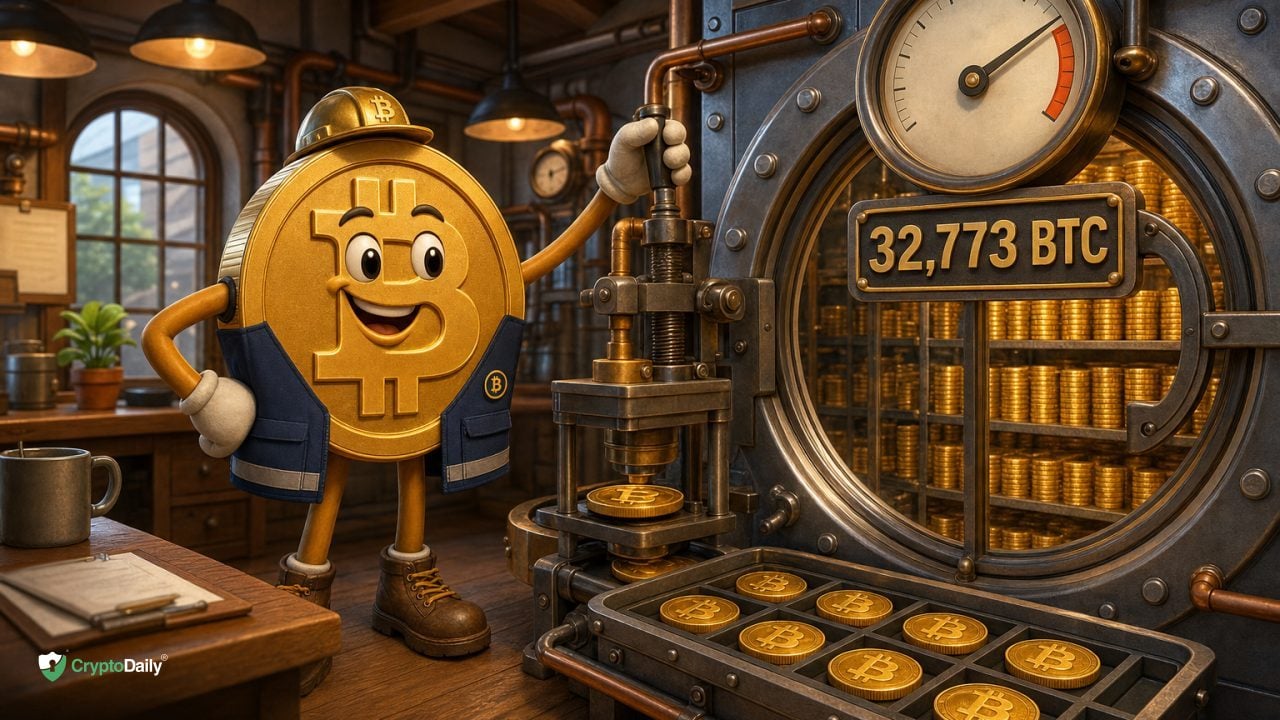
Strive Adds 3,311 Bitcoin as Its Treasury Reaches 32,773 BTC
Strive bought 3,311 $BTC for about $280 million between October 5 and 9, raising its treasury to 32,773 BTC as cash reached $310.3 million.
cryptodaily.co.uk/2026/10/strive…
UK High Court Says Chinese Law Governs Claims to 61,000 Seized Bitcoin
UK High Court ruled Chinese law governs property claims over more than 61,000 seized bitcoin, leaving ownership and distribution unresolved.
cryptodaily.co.uk/2026/10/uk-hig…