Stablecoin Chargebacks: Why Onchain Payments Lack Recourse
 Sophia Bennett
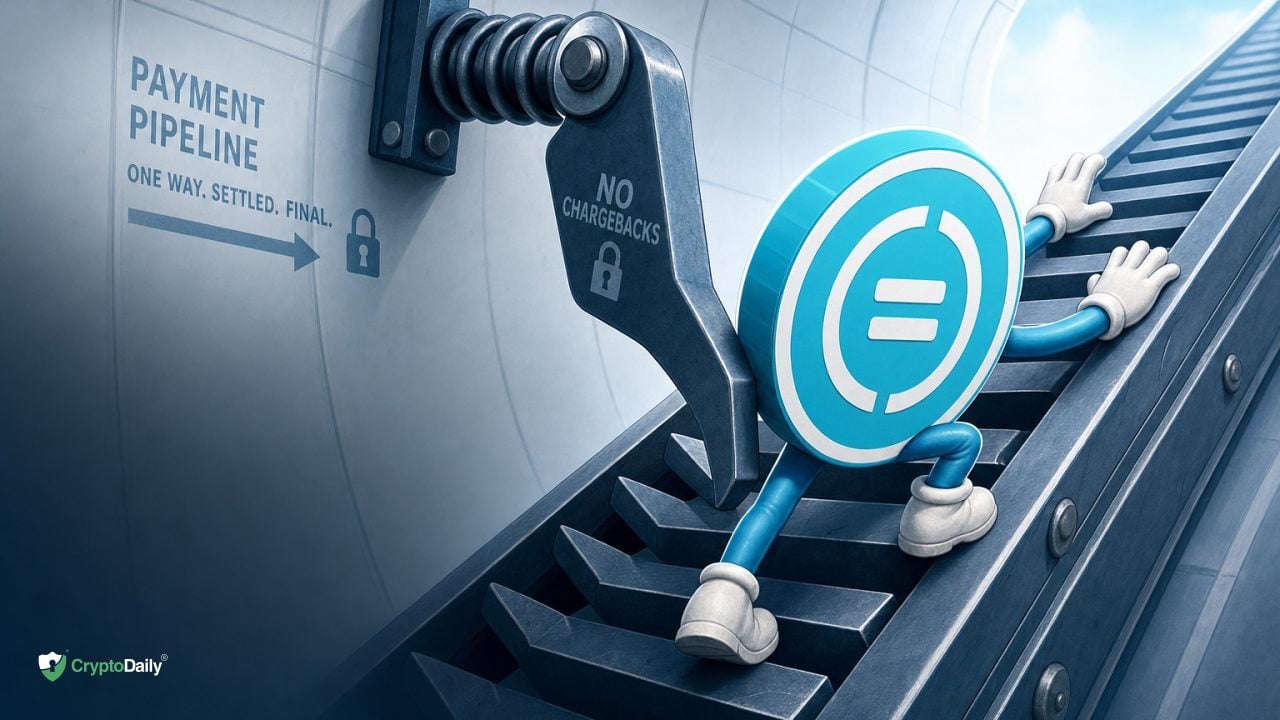
If you have ever reversed a card payment after a dodgy purchase, you have used a chargeback. That familiar safety net is part of why cards feel comfortable. Stablecoins do not work like that.
Onchain transfers settle as soon as the network confirms them. There is no hotline to call and unwind a transaction. That is by design. The upside is speed and global reach. The tradeoff is finality.
With stablecoin volumes breaking records and more merchants eyeing USDC and friends, it is time to be blunt about what happens when something goes wrong. You do not get a chargeback. You need a plan.
Let’s map the limits, then build workable paths for refunds, disputes, and buyer protection that make sense for onchain money.
| Point | Details |
|---|---|
| Chargebacks are network rules, not a law of payments | Card schemes can reverse funds through issuing and acquiring banks. Blockchains cannot. Finality is baked into consensus. |
| Stablecoin issuers can freeze, not “undo” your mistake | USDC and USDT have blacklist controls that may freeze assets in rare cases, usually for compliance or court orders, not consumer disputes. |
| Regulation protects claims on reserves, not transactions | New rules in 2026 focus on safeguarding backing assets and issuer conduct. They do not create a right to reverse onchain transfers. |
| Recourse is a merchant design problem | Refunds, escrow, and dispute policies must be handled offchain or by smart contract logic you control, not by the token network. |
| Operational discipline beats hope | Use invoices, allowlists, reference IDs, and small test sends. Mistyped addresses, wrong chains, and phishing drain funds fast. |
Why card chargebacks exist. Why stablecoins do not.
Cards were built around intermediaries. Issuers, acquirers, and card networks coordinate authorisations and settlements. Because money moves through institutions, the network can debit a merchant later and credit a cardholder when a dispute is won. That is the chargeback.
Blockchains push value point to point. When a stablecoin transfer lands onchain, there is no central switch to pull. Consensus participants only agree the move happened. Reversing it would require the original recipient to send funds back, or a contract with explicit recovery logic that both sides accepted in advance.
Who can reverse funds?
- Card rails: Issuers and networks can claw funds back through rules and settlement adjustments.
- Stablecoin rails: Only the recipient, a smart contract you both agreed to, or in rare edge cases an issuer freeze that stops further movement.
Finality is not a bug. It is what enables near‑instant settlement and low fees. But the benefits come with responsibility, especially for merchants who have relied on card dispute processes for decades.
What stablecoin issuers can actually do
It is tempting to think the issuer is your backstop. Not quite. Major fiat‑backed stablecoins include administrative controls, but they are aimed at compliance and exceptional events.
- Freeze/blacklist: Some issuers can freeze tokens at specific addresses, typically in response to sanctions or law enforcement requests. That prevents further transfers but does not put money back in your wallet.
- Redeem/burn after seizure: In narrow legal circumstances, frozen tokens may be redeemed or burned and reissued. This is not a consumer dispute pathway and usually requires court orders.
- No retail arbitration: Issuers do not act like card networks. They do not run a dispute portal that evaluates product quality or delivery claims between buyer and seller.
Regulators are clarifying what holders can expect from issuers, but that is about backing assets, not undoing onchain transfers. On 14 July 2026 the UK and U.S. governments published a joint statement saying each government “endeavours to create a framework … that provides for stablecoin holders a clear and protected legal claim on reserves, including priority ahead of other creditors.” That is important if an issuer fails. It does not create chargebacks for day‑to‑day payments (GOV.UK (UK–US Joint Statement on Stablecoins)).
Bottom line: Issuers help ensure the token stays redeemable at par and is operated legally. They are not your dispute desk.
Paths to recourse: building refunds and disputes without chargebacks
If the network will not reverse a transaction, you create recourse at the application layer. That can be policy, process, or code.
Low‑lift options that work right now
- Clear refund policy tied to invoice IDs: Always collect an email, order number, and the return address to send refunds. Put time limits and conditions in writing.
- Reference‑rich payment requests: Generate payment links or QR codes with chain ID, token, amount, and an internal memo so you can reconcile quickly.
- Test transactions for large sums: Ask customers to send a trivial amount first to confirm address and chain. Automate the check in your checkout.
- Use a crypto PSP with escrow or dispute tooling: Some processors offer milestone releases, partial holds, and refund APIs. That is where “chargeback‑like” safety lives for now.
Smart contract patterns for higher assurance
- Escrow contracts with timeouts: Funds sit in a contract and release on delivery or after a timeout if neither side disputes.
- Allowlist settlement: Payouts only to approved merchant addresses. Reduces internal fraud and mis‑routes.
- Programmed refunds: Build a one‑click refund that returns to the original sender. Include fees and slippage handling.
- Arbitration hooks: Opt‑in to a known arbitrator who can co‑sign releases on disputes. This has tradeoffs, but it is a real option for marketplaces.
Pro tip: Do not reinvent custody. If you are holding customer funds in escrow, use audited contracts and a reputable security partner. Contract bugs are worse than chargebacks.
Design patterns that reduce wrong‑address and scam losses
Most painful losses are not sophisticated. They are fat‑fingered addresses, wrong chains, or sending to a lookalike domain. Fixable with better flows.
- Chain locks: Encode chain ID in your payment link and block payments on other networks.
- Checksum everywhere: Validate address format client side and server side. Flag unusual addresses for manual review.
- Confirmed recipients: Use verified names via ENS with DNSSEC or similar registry checks when available. Display the merchant name boldly before send.
- Two‑tap confirmation: For consumer wallets, require a second confirm for first‑time recipients or new chains.
- Allowlists and roles: Limit who at your company can change payout addresses. Log every change and require approvals.
- Fraud content scanning: Monitor links and invoices for typosquats and lookalike URLs. Rotate invoice keys if anything looks off.
Pro tip: For large B2B payments, swap signatures. Ask the counterparty to sign a message with the destination address. Keep it with the invoice. Now you have proof of instruction if something goes sideways.
Compliance and regulatory backdrop in 2026
Regulatory rails are moving fast this year, but they aim at prudential soundness, consumer transparency, and supervision. They do not retrofit card chargebacks onto blockchains.
- MiCA’s transitional window ended 1 July 2026: After that date, firms need full CASP authorisation to serve the EU or EEA with regulated crypto services. That changes who can legally process your payments across borders (EUR-Lex).
- ESMA’s interim MiCA register: The public list for authorised providers went live in interim form and showed a last update on 16 July 2026. Check counterparties against it before you integrate (European Securities and Markets Authority (ESMA) — MiCA Interim Register page).
- UK–US joint statement on reserves priority: Published 14 July 2026, it signals policy intent that holders should have a clear claim on reserves ahead of other creditors if an issuer fails. That is solvency protection, not a refund mechanism (GOV.UK (UK–US Joint Statement on Stablecoins)).
Enterprise adoption is also getting real. On 16 July 2026, Visa announced the Visa Stablecoin Platform, a Wallet‑as‑a‑Service and mint‑burn‑move stack that aims to let banks and payment providers integrate stablecoins into existing workflows. If you are a merchant, that could mean more off‑the‑shelf integrations soon, but it still will not conjure chargebacks out of thin air (Visa press release (BusinessWire)).
Meanwhile, usage has exploded. Visa’s onchain analytics, as cited by independent coverage, put adjusted stablecoin transaction volume around 1.79 trillion dollars in June 2026, up sharply month on month, with USDC at roughly 1.21 trillion of that. That is not hype. It is large, final value moving on crypto rails, which is exactly why process discipline matters (BitBullNews — Stablecoin Flow Monitor).
Merchant playbook: how to accept stablecoins without accepting unbounded risk
- Pick the token intentionally: Choose a fiat‑redeemable stablecoin with transparent reserves and robust compliance disclosures. Understand freeze policies.
- Limit chains to the ones you can monitor: Fewer networks mean fewer misroutes. Publish accepted chain IDs on every invoice.
- Use a PSP or gateway with dispute tooling: Features like holdbacks, escrow, or automated refunds give you practical recourse.
- Collect identity proportionate to risk: Higher‑value orders should require more KYC. It deters fraud and helps if law enforcement gets involved later.
- Automate reconciliation: Embed order IDs and memos in payment requests. Reconcile on confirm, then ship. No manual copy‑paste.
- Write a refund policy customers can follow: State how to request a refund, timelines, and what address you will return to. Provide status updates.
- Have a panic playbook: If funds go to a wrong or risky address, document steps: freeze request to issuer if justified, SAR filing if required, customer notification, and a communications plan.
- Convert promptly if you do not want exposure: Stablecoins track fiat but can depeg or face issuer risk. If you need pounds or dollars, settle quickly.
Risk warning: Smart contracts can fail, bridges can be exploited, issuers can face legal action, and wallets can be phished. Do not assume any single control removes risk. Layer them.
Case studies: when things go wrong
Sent to the wrong chain
A buyer intends to pay USDC on Ethereum but pastes a Solana address. The wallet sends, the merchant never sees funds. No issuer can bridge or reverse that. The only fix is the buyer sending again on the correct chain. Prevention beats cure: chain‑locked invoices and test sends.
Phishing at checkout
A fraudster injects a malicious QR code on a public device. The customer pays the attacker. Issuer freezes are unlikely unless the address is flagged and funds still sit there. You mitigate by serving invoices over TLS, using short‑lived payment links, and showing a human‑readable merchant name in wallet.
Product not delivered
The merchant receives funds but fails to ship. In card land, the buyer would file a chargeback. Onchain, the buyer needs the merchant’s refund policy or a marketplace escrow that holds funds until proof of dispatch. If the platform designed that in, you have recourse. If not, it is a civil dispute.
What to watch next: network and industry moves
Expect more enterprise tooling around stablecoins, not because of narratives, but because payments teams want speed and programmable settlement. Visa’s newly announced platform is a sign that large processors plan to make mint, hold, and redeem workflows routine for banks and PSPs (Visa press release (BusinessWire)).
Policy will keep nudging the market toward safer issuers. MiCA’s authorisation regime and ESMA’s register will simplify counterparties for EU merchants, and the UK–US statement sets expectations on how reserves should be treated if something breaks at the issuer level. None of this gives you a chargeback button. It gives you a cleaner field to build on.
What could bring card‑like protection later? Wallet standards that embed merchant identity, smart contract escrows with simple UIs, and PSPs that marry onchain finality with offchain dispute rules. Those are product decisions, not protocol ones.
If you want more grounded takes like this, Crypto Daily tracks the practical side of crypto adoption as it happens. You can find our latest coverage at Crypto Daily.
Frequently Asked Questions
Can I file a chargeback on a stablecoin payment like I do with a card?
No. Blockchains do not support chargebacks. Once a transfer is confirmed, the network will not reverse it. Any refund must come from the recipient or a pre‑agreed process like escrow.
Can Circle or Tether reverse a wrong payment for me?
Generally no. Issuers can freeze tokens at an address in limited situations, usually for sanctions or law enforcement. That does not equate to customer‑initiated reversals for delivery disputes or typos.
What do new 2026 rules change for me as a merchant?
In the EU, the MiCA transitional window ended on 1 July 2026, so you should work with authorised CASPs and check ESMA’s interim register. This improves oversight but does not introduce chargebacks.
Does the UK–US joint statement create a right to refunds?
No. It focuses on giving holders a clear legal claim on reserves if an issuer fails. That protects parity and creditor priority, not retail disputes or misdirected payments.
Is there a safe way to sell high‑value goods for stablecoins?
Use a PSP or a smart contract escrow with milestone releases, strong KYC for counterparties, and written refund rules. For very large transactions, add manual checks and test sends.
What if the customer sends to the wrong chain?
The payment will not reach you unless you also control that chain and address. Your best defense is chain‑locked invoices and prominent chain selection before payment.
Will enterprise platforms like Visa’s add chargebacks to stablecoins?
They may add dispute tooling at the service layer, but the underlying onchain transfer remains final. Expect policy‑driven refunds and escrow features, not protocol reversals.
Disclaimer: This article is provided for informational purposes only. It is not offered or intended to be used as legal, tax, investment, financial, or other advice.
Related Stories