Circle Buys IBM Blockchain Patents: Why Crypto IP Matters
 Andrei Popescu
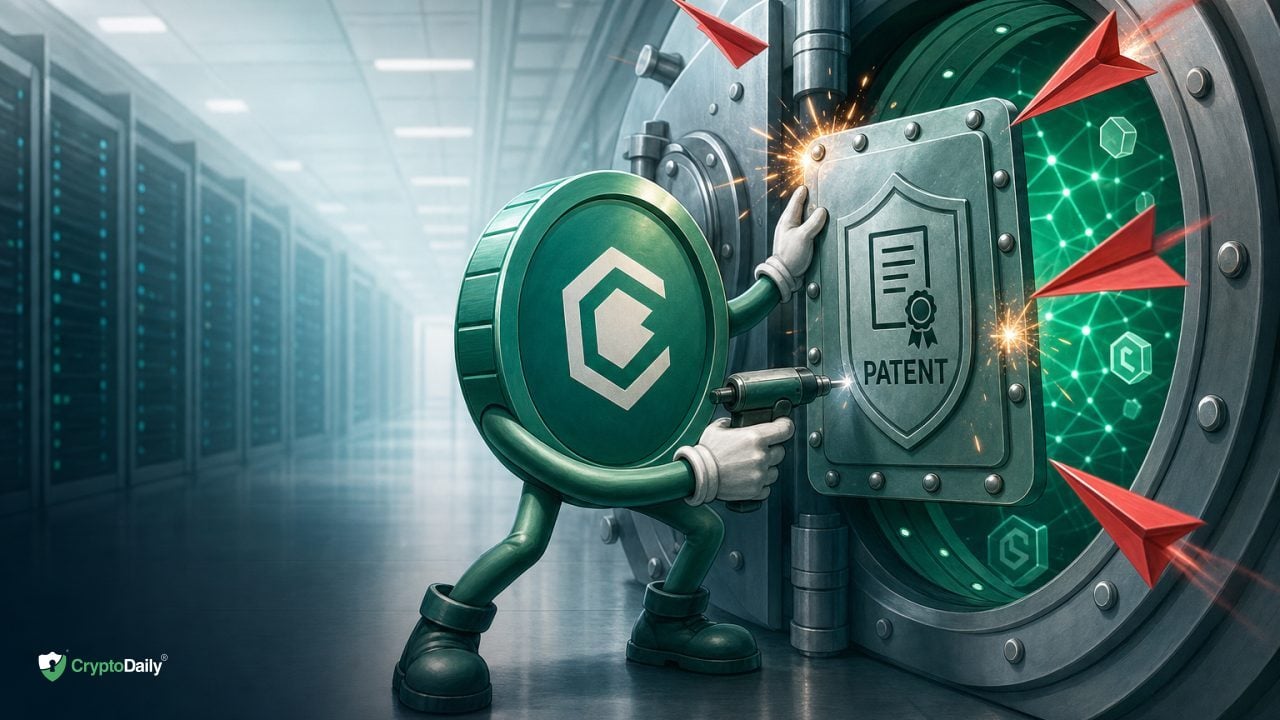
Picture this. Your stablecoin scales into a global payments utility, and one morning you announce you now control the plumbing patents behind a lot of that infrastructure. That was Circle’s Monday.
On July 27, 2026, Circle said it acquired “fundamental assets from the IBM blockchain patent portfolio,” a collection spanning over 680 patent families and nearly 1,000 issued patents worldwide Circle. Several outlets noted this makes Circle the largest holder of blockchain patents in the United States The Block.
The market took notice. Circle stock ticked up roughly 3.7% that day after the news crossed Investing.com. Price action is noisy. Still, it hints investors think IP will matter in the next phase of stablecoins and crypto payments.
Why Circle Bought IBM IP Now
Crypto has spent a decade proving it can move value across borders. The next decade is about industrializing it. Industrialization needs rails, standards, and yes, intellectual property. Circle’s portfolio grab happens as regulators draft stablecoin rules, banks pilot tokenized deposits, and enterprises dust off blockchain pilots with clearer use cases.
Owning core IP does not instantly create moats, but it changes the negotiating table. Partners ask different questions when you can license, not just integrate.
Circle also said the acquired IP will support USDC, the Circle Payments Network, and Arc, with no financial terms disclosed CoinDesk. That framing matters. This is not a trophy case. It is plumbing for products that already settle real activity.
IBM’s Blockchain Bet and the Journey Here
IBM spent the last cycle doing the enterprise version of crypto. Fabric, consortia, supply chain provenance, trade finance. Some pilots fizzled. Others quietly shipped. Along the way, IBM filed patents. A lot of them. If you were building permissioned ledgers from 2016 onward, IBM’s lawyers probably had a view on your architecture.
Why that pile exists
Enterprises protect process innovation. Even if the code is open source, the way you orchestrate nodes, privacy, messaging, and off-chain data bridges often sits inside a patent. IBM built for banks, food safety networks, and logistics. That creates families of filings across jurisdictions. Which is how you end up with hundreds of families and nearly a thousand grants today.
From pilots to a patent trove
When hype cooled, the paperwork remained. A trove like this is awkward for a legacy vendor that is refocusing. For a crypto-native payments company, it can be a springboard. Circle can apply the IP to public chains, private networks, and bridges that straddle both.
What Circle Actually Bought
Circle was not shy about the scale. The press release calls out more than 680 patent families and close to 1,000 worldwide grants, and positions the portfolio as foundational to blockchain infrastructure Circle. Multiple reports flagged that this makes Circle the largest US holder of blockchain patents The Block. Financial terms were not disclosed CoinDesk.
| Item | Detail | Source |
|---|---|---|
| Announcement date | July 27, 2026 | Circle |
| Portfolio size | Over 680 patent families, ~1,000 issued patents worldwide | Circle |
| US standing | Largest holder of blockchain patents in the United States | The Block |
| Intended use | Support USDC, Circle Payments Network, Arc | CoinDesk |
| Financial terms | Undisclosed | CoinDesk |
| Market reaction | Circle shares rose about 3.7% on the day | Investing.com |
Families vs. issued patents
Patent families group related filings across regions and continuations. A large family count hints at broad coverage around core ideas. Issued patents are grants. Nearly 1,000 is a lot, and it gives Circle levers across the United States, Europe, and other markets where IBM historically filed.
What could be inside
The precise claim set is not public in one sheet, but IBM has historically focused on consensus orchestration, interoperability, data privacy on shared ledgers, identity modules, and tokenization mechanics. Expect a heavy tilt toward enterprise-grade components that map neatly to payments and settlement.
How IP Could Reshape the Stablecoin Race
Stablecoins are not just tokens. They are networks tied to compliance, banking, and developer mindshare. Patents sit in odd tension with the open-source ethos, but they are normal in payments. Visa, Mastercard, and PayPal all live in that world.
Moats in payments look different
In crypto, moats rarely come from secrecy. They come from distribution, liquidity, and integrations. IP adds a legal layer. If you want to embed USDC in merchant flows or bank-to-bank transfers, Circle can point to a portfolio during partner diligence. That can ease risk committees, or give Circle leverage in cross-licensing deals.
Regulatory signaling
Owning foundational IP can be read as accountability. It suggests you plan to defend and standardize parts of the stack. That can play well with supervisors weighing stablecoin statutes. It does not replace compliance. It does shape the perception that USDC is not a weekend project.
Developer ecosystem effects
The fear is patent chill. Developers worry about getting sued for building basic tools. The reality will depend on Circle’s licensing posture. If they carve out open-source safe harbors, or pledge not to assert on core primitives, the ecosystem can breathe. If they go aggressively, expect forks around encumbered paths.

From Patents to Product: How This Plays Out
You do not turn a patent wall into product lift overnight. There is a sequence that savvy operators tend to follow.
- Audit and map. Catalog claims, expiration profiles, and overlaps with internal inventions.
- Prioritize product adjacencies. Tie families to USDC settlement, CPN routing, Arc credit modules.
- Build licensing frameworks. Decide what is royalty-free for open standards and what sits behind agreements.
- Harden compliance. Align IP-enabled features with travel rule, KYC, and bank-partner requirements.
- Defend and deter. Respond to trolls, settle where rational, countersue when necessary.
- Signal to partners. Use the portfolio in BD. Offer cross-licenses to wallets, PSPs, and banks.
Monetization without alienation
The trick is to monetize edges that do not punish builders. Payments routing, messaging formats, and hybrid on-chain/off-chain workflows are candidates for commercial licensing. Core crypto primitives should remain safe to use. Getting that split wrong would backfire quickly.
Standards and consortia
Expect Circle to show up more in standards bodies and bank working groups. Owning relevant claims gives them chips to trade. Cross-licensing can solve for collective action problems that stalled earlier enterprise blockchain efforts.
Market Takeaways So Far
Equities voted with a small green candle. Circle’s shares rose about 3.7% on the announcement day, according to real-time coverage Investing.com. One day is not a thesis. It is a clue that investors see optionality: defense against litigation, licensing income, stronger partner pipeline.
What partners may read into this
Banks and large PSPs care about continuity, not just speed. A big-tent patent portfolio can smooth procurement and sidestep IP landmines during integration. That could shorten sales cycles for CPN or embedded USDC in cross-border corridors.
Competitors have paths too
Other stablecoin issuers can respond by leaning into open licensing, bulking up their own IP, or doubling down on niches where patents matter less, like on-chain savings or region-specific use cases. Not everyone needs to win the enterprise lane.
Why IBM’s seller profile helps
Buying from an enterprise vendor with global filings carries fewer unknowns than hoovering up assets from a patent aggregator. Documentation is usually cleaner. That matters when you need to defend claims or reassure regulators.
Risks & What Could Go Wrong
- Patent chill for developers. If licensing terms are unclear, builders may avoid USDC rails or reroute around encumbered patterns.
- Litigation overhang. A larger footprint invites challenges from rivals and trolls. Legal spend can creep.
- Regulatory skepticism. Some supervisors dislike proprietary rails in public-money adjacent systems. IP could be framed as gatekeeping.
- Integration drag. Folding legacy enterprise claims into crypto-native stacks can slow shipping if engineers over-index on legal review.
- Portfolio quality risk. Not every patent is strong. A few weak grants can create false confidence or distracting disputes.
- Open-source backlash. If communities feel threatened, they can harden around patent-free standards and reduce Circle’s influence.
IP can protect progress or block it. The line is thin, and the market will punish anyone who crosses it.
If you want a running view across deals like this, regulatory drafts, and where stablecoin rails are actually shipping, keep an eye on outlets that track both crypto and equities angles. We cover these crossovers regularly at Crypto Daily.
Frequently Asked Questions
Did Circle really become the largest US holder of blockchain patents?
Multiple reports said the acquisition makes Circle the largest blockchain patent holder in the United States. That line appeared in coverage summarizing the deal The Block.
What exactly did Circle say it will do with the IP?
Circle stated the acquired IP will support its products and infrastructure including USDC, the Circle Payments Network, and Arc, with no financial terms disclosed CoinDesk.
Does this threaten open-source crypto projects?
It depends on licensing and enforcement. If Circle provides safe harbors or non-assert pledges on core primitives, impact should be limited. Aggressive enforcement could chill development around certain workflows. The company’s posture will determine how the ecosystem reacts.
Will users of USDC notice any change?
For most users, likely not in the short term. IP affects how partners integrate, how networks interoperate, and how disputes are handled. If the portfolio streamlines partnerships, you could see faster merchant and bank integrations over time.
Why would a stablecoin company want a giant patent portfolio?
Payments lives in a world of IP. Ownership helps in partner diligence, cross-licensing, and defense against litigation. It can also open a licensing revenue stream and signal seriousness to regulators and banks.
Could this trigger a patent arms race in crypto?
Possibly. Large issuers and payment firms may respond by filing more aggressively or acquiring portfolios. Others may align around open standards to reduce exposure. Expect a mixed model rather than a one-size-fits-all outcome.
Was there any immediate market reaction to the deal?
Yes. Real-time coverage reported Circle’s shares rose about 3.7% on the day of the announcement, though single-day moves are not a verdict on long-term value Investing.com.
Disclaimer: This article is provided for informational purposes only. It is not offered or intended to be used as legal, tax, investment, financial, or other advice.
Related Stories