Stablecoin Crime Ledger: Why $141B in Illicit Flows Could Trigger the Next Wallet-KYC War
 Darnell Whitaker
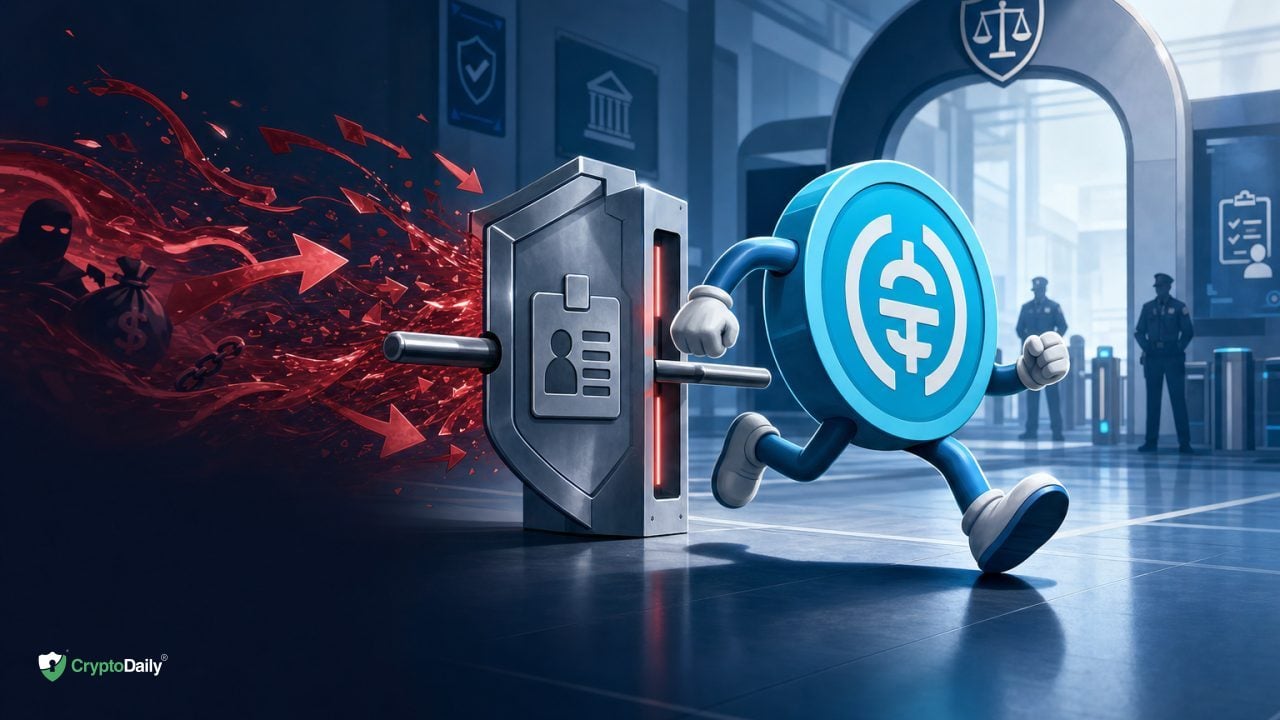
If you’ve seen the $141 billion figure bouncing around and wondered what it means for your wallet, you’re not alone. The short version: big, attention-grabbing estimates of illicit stablecoin flows are putting fresh heat on policymakers to push wallet-level KYC. The fight over what that actually looks like is getting real again.
This piece breaks down where those numbers come from, why stablecoins sit at the center of every compliance conversation now, and what a wallet-KYC push could look like in practice. We’ll cover trade-offs, who pays the cost, and the quiet, boring operational steps that matter most right now.
No hype. Just what’s changing, where the pressure points are, and how to avoid obvious mistakes.
Large-sounding tallies of illicit stablecoin flows, amplified by enforcement headlines and analytics dashboards, are likely to drive a new push for wallet KYC across custodial apps, fiat on-ramps, and maybe even certain self-custody touchpoints. The immediate pressure will land on regulated intermediaries and major stablecoin issuers. Expect more address blacklists, stricter screening, and regional rules that make wallet identity checks a default near fiat rails rather than deep inside decentralised protocols.
- Stablecoins dominate crypto settlement and increasingly appear in enforcement datasets, per Chainalysis and TRM Labs.
- Issuers like Tether and Circle can and do freeze sanctioned addresses, and that lever will likely be pulled more often.
- Regulators are circling wallet identity for on-ramp and off-ramp compliance, citing FATF’s Travel Rule and new regional regimes.
- Self-custody isn’t going away, but the path between self-custody and fiat may tighten via verification checks.
What is the $141B actually counting, and why do estimates vary so much?
Let’s start with the awkward bit. There isn’t one official ledger of “illicit stablecoin flows.” Different firms count different things. Some tally gross volumes that touched flagged addresses. Others focus on funds clearly attributed to scams, fraud, or sanctioned entities. Methodology changes move the number a lot.
Public crime reports show the direction of travel even when the headline figures differ. Chainalysis has shown stablecoins taking a bigger share of illicit crypto transactions as they’ve taken a bigger share of all crypto transactions. TRM Labs describes illicit activity as highly concentrated in a small number of services, with stablecoins used heavily on some networks, especially Tron.
So when you see a $141B claim, treat it as an aggregation of flows defined and filtered a certain way, often across multiple years. It’s a signal, not gospel. The important takeaway is simpler: stablecoins are now the main rail for both legitimate settlement and a chunk of crypto crime, and that puts them front and center for regulators.
Why are stablecoins at the center of this now?
Stablecoins won the distribution game. They’re easy to hold, cheap to move, and priced in dollars. Merchants, market makers, remitters, and yes, scammers and sanctioned entities, all like predictable value.
There’s also a chain effect. Tron has become a workhorse for USDT transfers in emerging markets because fees are low and wallets are everywhere. Analysts have flagged that the same traits appeal to illicit actors. You’ll see this in recent public notes by Chainalysis and sector briefings covered widely by compliance teams.
Finally, enforcement is catching up to mixers and cross-chain hop routes. With some laundering infrastructure under pressure, stablecoin rails themselves are getting more scrutiny. Issuers can freeze. Big exchanges can screen. That’s low-hanging fruit for policymakers compared to chasing ephemeral smart contracts.
What would a wallet-KYC push actually look like?
Nobody is flipping a global switch that forces KYC on every self-custody wallet. That’s not practical and would be politically messy. Instead, expect pressure where fiat touches crypto and where regulated entities already sit.
Three tracks are likely:
- Ramp-centric rules: On-ramps and off-ramps require stronger beneficiary and originator checks for transfers to and from self-hosted wallets above certain thresholds, echoing FATF guidance and regional implementations of the Travel Rule.
- Issuer controls: Stablecoin issuers expand blacklist programs, risk scoring, and real-time screening tools. Tether and Circle already freeze addresses tied to sanctions or confirmed crime, and have cooperated with law enforcement on major cases, including freezes tied to human trafficking investigations reported in late 2023 by multiple outlets.
- VASPs and DeFi front-ends: More gatekeeping at the interface. Think wallet attestation, session screening, or proof-of-KYC for higher-risk flows, especially if you’re using a hosted UI tied to a legal entity.
For context, see: FATF’s Travel Rule expectations for virtual asset service providers, the EU’s Transfer of Funds Regulation update and MiCA regime, UK implementation guidance from the FCA in 2023, ongoing U.S. FinCEN proposals targeting anonymizing services, and an active sanctions environment led by OFAC.
Pro tip: When a wallet-KYC headline hits, read the fine print. Most regimes target VASPs and ramps. Self-custody isn’t banned, but the bridge to fiat tightens, and that’s where your operational friction shows up first.
Who is most exposed: issuers, exchanges, wallets, or chains?
All of the above, but in different ways.
Issuers have the kill switch. Circle and Tether maintain blacklists and have publicly frozen billions of dollars’ worth of tokens linked to hacks, scams, and sanctions over the years. That’s a big compliance lever, and regulators know it. Expect more structured data sharing, faster response times, and tooling that lets bigger VASPs automate freeze requests or confirmations. Circle covers its policies in risk and compliance pages; Tether has published updates on cooperation with law enforcement and sanctions screening.
Exchanges and payment processors are the chokepoints. They custody user funds, so they’re squarely in scope for Travel Rule checks, sanctions screening, and suspicious activity reporting. The same goes for OTC desks and market makers that touch fiat or operate under licensing regimes.
Wallets and front-ends vary. Pure self-custody apps without a corporate entity might be out of direct scope, but interfaces run by companies can be compelled to screen or to geofence. Some will move toward optional KYC tiers to support compliant flows into fiat rails.
What policy options are on the table, and how do they compare?
Here’s the unglamorous reality: there’s no single silver bullet. Policymakers juggle crime reduction, user privacy, technical feasibility, and market stability. Below is a simple comparison of the paths most discussed right now:
| Approach | Impact on Crime | Privacy | Implementation | Breakage Risk |
|---|---|---|---|---|
| Mandatory KYC for all self-custody wallets | High on paper, hard in practice | Very low | Complex, fragmented across jurisdictions | High. Users route around controls |
| Ramp-centric verification for large transfers | Moderate to high near fiat rails | Moderate | Feasible using Travel Rule tooling | Low to moderate |
| Issuer-led screening and fast freeze | Targeted, scalable for known bad actors | Moderate. On-chain censorship risk | High feasibility. Already in use | Moderate. False positives possible |
| Risk-based address scoring and allowlists | Moderate. Reduces casual abuse | Higher than blanket KYC | Mature vendor ecosystem | Low |
| Chain-level censorship and blocklist enforcement | High, but politically fraught | Low | Requires protocol changes, validators | High. Fragmentation likely |
Most regions are drifting toward the middle options: stronger ramp controls, issuer screening, and risk-based tooling. That’s where you get measurable impact without breaking the core self-custody experience.

How will tighter rules hit everyday users and DeFi?
For day-to-day users, the biggest change is extra checks when moving funds between a self-custody wallet and a centralized exchange or payment service. Think proof-of-ownership prompts, transaction purpose fields, or additional identity verification for high-value transfers.
DeFi is messier. Smart contracts don’t KYC anyone. So enforcement tends to land on the edges: front-ends, RPC gateways, and any service that connects to fiat. We’ve already seen region-specific interface blocks and compliance modes from a handful of major protocols after sanctions events.
Stablecoin liquidity might bifurcate a bit. Permissioned pools for institutions will coexist with open pools. If you operate a protocol that relies on stablecoin liquidity, prepare for more questions from counterparties about exposure to sanctioned addresses and your incident response plan.
What should compliance teams and businesses do right now?
Don’t wait for the next headline to draft your playbook. The wonky prep work pays off.
- Map your flows: list every point where self-custody touches your product. Note volume, average ticket size, and jurisdiction.
- Harden screening: ensure sanctions and risk-scoring vendors cover Tron, Ethereum, and major L2s. Validate coverage for stablecoin tokens, not just native assets.
- Travel Rule readiness: align with a provider that supports peer discovery and message exchange across VASPs. Test interop before you need it.
- Issuer channels: set up direct points of contact with stablecoin issuers for rapid freeze or unfreeze confirmations.
- Playbooks and SLAs: document thresholds, escalation paths, and timelines for responding to law enforcement requests.
For reference points and ongoing guidance, bookmark FATF publications, the EU’s MiCA and Transfer of Funds materials, OFAC actions, and U.S. FinCEN notices. On the analytics side, Chainalysis and TRM Labs both publish frequent methodology notes worth reading closely.
What risks are we not talking about enough?
False positives. A mistagged address can lock up funds or trigger offboarding from a platform. The more aggressive the screening, the more you need appeal processes and human review. Issuers and VASPs that communicate quickly win trust here.
Jurisdictional drift. If Europe, the U.K., and the U.S. adopt slightly different wallet rules, global operators will have to build for the strictest case or maintain region-specific flows. That adds cost and fractures UX.
Liquidity migration. Push too hard on open rails and you risk pushing volume into gray-market OTC networks. Policymakers are aware of this, which is partly why many prefer targeted controls over blanket KYC for self-custody.
Common Mistakes
- Confusing headline totals with actionable risk. Big numbers don’t tell you where your specific exposure lives. Map your flow and counterparties.
- Assuming issuers will solve everything. Blacklists help, but they’re reactive. You still need screening, Travel Rule processes, and incident response.
- Ignoring Tron. If your vendor stack covers only Ethereum and Bitcoin deeply, you’re missing where a lot of stablecoin volume moves today.
- One-size-fits-all thresholds. Calibrate verification triggers by corridor and risk. Copy-pasting fiat thresholds can clog operations or miss edge cases.
- Slow comms when funds get frozen. Publish a clear appeal process with timelines. Silence turns routine reviews into PR crises.
If you want ongoing coverage with a practical lens, we track this saga closely at Crypto Daily, from enforcement moves to issuer policy tweaks.
Frequently Asked Questions
Does wallet KYC mean self-custody is dead?
No. Most proposals focus on on-ramps, off-ramps, and corporate-run interfaces. You can still hold your own keys. The frictions show up when you move between self-custody and regulated services.
Will stablecoin issuers start pre-screening every wallet?
Unlikely at the address-creation level. What’s more realistic is expanded screening of transaction flows and faster freezes for addresses linked to sanctions or confirmed fraud, which issuers already execute today.
Which chains face the most scrutiny right now?
Where the volume is. Tron for USDT transfers in many corridors, Ethereum and popular L2s for USDC and broader DeFi activity. Compliance teams are upgrading coverage across all three.
Can analytics firms be wrong about “illicit” tags?
Yes. Methodologies vary, and tags can be stale or over-broad. Good vendors explain confidence levels and allow disputes. Treat scores as signals, not verdicts.
How does the Travel Rule actually hit crypto users?
For transfers between regulated VASPs, your name and basic details travel with the transaction message. For transfers to or from self-custody, some regions require additional checks above set thresholds or verification of wallet ownership.
What’s the practical impact of OFAC sanctions on stablecoins?
Addresses listed or linked to sanctioned entities can be frozen by issuers or blocked by exchanges. It’s fast and visible on-chain. Innocent users rarely get hit, but appeals matter when tags are wrong.
Is the $141B number real?
It reflects one way of counting and aggregating flows over time. The exact total depends on definitions and methodology. The reliable point is that stablecoins now feature heavily in enforcement datasets.
Disclaimer: This article is provided for informational purposes only. It is not offered or intended to be used as legal, tax, investment, financial, or other advice.
Related Stories