WSOP Adds Solana Payments: Why Live Gaming Events Are Becoming Crypto Payment Labs
 Lena Carter

Cash cages and card terminals weren’t built for global audiences who want instant settlement and transparent fees. As the World Series of Poker turns its payment rails into a talking point, operators and players face a new decision: does crypto finally solve live-event payment pain — or just shift the risk elsewhere?
With WSOP now enabling tournament buy-ins using Solana (SOL) and signaling stablecoin prize options later this year, live gaming events are quietly becoming payments testbeds. This guide breaks down what changed, what it costs, how the rails actually work, and a step-by-step playbook venues can use to pilot crypto — without betting the house.
| Aspect | What to Know |
|---|---|
| What changed at WSOP | Solana Foundation is the Presenting Sponsor; players can buy tournament tickets with SOL, with the Solana-powered method described as having zero processing fees (Business Wire). |
| Who runs the crypto option | MoonPay is named as the sole processor for crypto buy-ins at WSOP’s Las Vegas events starting June 10, 2026 (CryptoBriefing). |
| Where it rolls out next | WSOP Paradise (Bahamas) will extend the program in December 2026, with winners able to choose prize payouts as stablecoin settlements on Solana, aiming to avoid multi-day wire delays (CoinDesk). |
| Other payment partners | Luxon Pay became an official payment partner for WSOP Global Events and is available to U.S. players via the WSOP LIVE app; a promo raffles one $10,000 Main Event seat for buy-ins through June 29 (raffle June 30) (PokerNews). |
| Cost and speed | On-chain settlement on Solana is typically low-fee and near-instant. “Zero processing fee” refers to the program terms; spreads, network fees, and FX may still apply depending on the flow. |
| Compliance realities | Payment processors may require KYC/AML; some users face geofencing. Venues must reconcile tax, audit, and reporting standards across fiat and digital assets. |
| Key risks | Price volatility if paying in SOL, operational reliance on a single provider, wallet UX hurdles, and potential network congestion or downtime. |
How Crypto Rails Fit the Live-Event Cage
Editor's note: The WSOP–Solana setup matches what we’ve seen work elsewhere: pre-KYC, instant settlement, and fast conversion to stablecoins. The missing piece is redundancy — whenever a single provider hiccupped, queues spiked. Hybrid stacks with clear failovers performed best in my notes. — Lena Carter
Live tournaments need fast, final settlement for buy-ins and simple, compliant payout flows that work across borders. Traditional methods — cards, cash, wires — fracture across jurisdictions, rack up fees, and can strand players between cages and banks for days. Crypto compresses these steps into a scan-and-settle flow, provided a compliant on-ramp and clear treasury policy sit behind the QR code.
In the WSOP model, MoonPay is the named payment infrastructure for crypto buy-ins. The front end (app or cage terminal) shows a SOL amount and address/QR; players pay from a wallet. According to the program announcement, the Solana-powered option is marketed as zero processing fee for the buy-in itself, while the blockchain provides fast confirmation. The organizer receives funds into a managed flow that reconciles into operational accounts.
The next phase is payouts. WSOP Paradise plans to offer winners stablecoin settlements on Solana, a realistic option for cross-border players who prefer near-instant settlement to waiting on correspondent banks. This keeps event treasurers from timing FX windows mid-series and can reduce the cash kept on-premise for prize pools.
Two details matter in practice: whether players must pre-KYC with the processor, and whether venues auto-convert volatile assets (e.g., SOL) into stablecoins or fiat on receipt. These choices determine user friction, treasury risk, and accounting.
Glossary
- SOL: The native token of Solana, used to pay for transactions and, in this context, to fund buy-ins.
- On-ramp: A service that converts fiat to crypto (and vice versa for off-ramps), often handling KYC/AML and card/bank processing.
- Stablecoin: A crypto asset designed to track a fiat currency (e.g., USD), reducing price volatility for settlements and payouts.
- Finality: The point at which a transaction is considered irreversible by the network; affects when tickets can be issued or prizes released.
- Custody: Who controls the private keys for received funds; may be the venue, a processor, or a qualified custodian.
- Gas/fees: Blockchain transaction charges paid to validators; separate from processor or FX fees.
Step-by-Step Playbook for Event Operators
- Define the objective: Decide if crypto is for faster settlement, lower fees, reaching new audiences, or smoothing cross-border payouts. The goal determines network and vendor choices.
- Pick the rail and processor: Evaluate Solana for speed/cost and a named processor for compliance and support. Vet SLAs, uptime, KYC scope, and supported assets (SOL now, stablecoins later).
- Map the user flows: Design buy-in UX (QR or deep link), KYC checkpoints, receipt issuance, and refund logic. For payouts, define if winners must choose fiat or stablecoin and by when.
- Plan treasury and risk: Set auto-conversion rules to stablecoins or fiat upon receipt, target balances, and rebalancing cadence to minimize volatility exposure.
- Integrate and test: Pilot at a single cage or satellite event. Load-test transactions, simulate network congestion, and verify reconciliation to back-office ledgers.
- Train cage and support staff: Script common wallet issues, failed scans, and timeouts. Provide clear handoffs to the processor’s support channel.
- Prepare failovers: Maintain cash/card fallbacks if the crypto flow stalls. Post signage stating alternative methods and expected wait times.
- Measure and iterate: Track approval times, abandoned attempts, fee leakage, and chargeback deltas versus cards. Adjust UX and treasury policies before scaling.
Why Live Gaming Is Becoming a Payments Lab
Big tournaments concentrate high-value, time-sensitive transactions in one venue. The pain is acute: cages need rapid throughput, players fly in from dozens of countries, and payouts cluster at the end. That makes live gaming an ideal proving ground for fast, programmable settlement — if operators can nail compliance and UX.
WSOP’s move pairs brand reach with a specific rail. The partnership names Solana Foundation as Presenting Sponsor and promotes zero processing fees for SOL buy-ins at the Las Vegas series, while appointing MoonPay as the sole processor for the crypto lane. The next act — stablecoin prize options in the Bahamas — tests whether instant cross-border payouts meaningfully reduce frustrations with legacy wires and intermediaries. Together, these experiments turn a marquee event into a real-world sandbox for crypto payments.
The presence of other partners like Luxon Pay on the fiat/e-money side hints at a hybrid future. Players want choice; organizers want redundancy. Expect event stacks to blend card networks, e-money wallets, and blockchain rails, with competition shifting to who can clear funds fastest and cheapest without compromising compliance.
Solana vs. Other Rails at the Cage
Different payment options make trade-offs across speed, fees, user base, chargebacks, and developer tooling. Below is a high-level comparison for event buy-ins and payouts. It’s directional, not exhaustive, and actual performance depends on the specific integration and market conditions.
| Option | Speed/Finality | Typical Fees | Chargebacks | User Readiness | Notes |
|---|---|---|---|---|---|
| Solana (SOL / stablecoins) | Near-instant confirmations; fast finality | Low on-chain fees; program may waive processing fees | No on-chain chargebacks | Growing wallets; good mobile UX | Strong for high-throughput events; monitor network health |
| Ethereum L2 stablecoins | Fast once funded; bridges add steps | Low-to-moderate; varies by L2 | No on-chain chargebacks | Broad stablecoin familiarity | Mature ecosystem; watch for bridging UX and fees |
| Bitcoin Lightning | Instant when channels are funded | Low; channel liquidity needed | No chargebacks | Niche for gaming tournaments | Great for micro/instant; tooling uneven across venues |
| Cards (Visa/Mastercard) | Seconds to authorize; days to settle | Processor + interchange fees | Yes; potential disputes/chargebacks | Ubiquitous | Familiar, but costly at high ticket sizes |
| Bank wires | 1–3 business days; longer cross-border | Wire fees + FX spreads | No true chargebacks; recalls possible | Common for large prizes | Operational friction and cutoff times |
For live events, the killer feature is settlement you can operationalize. If a rail consistently hits instant, low-cost finality and can be embedded in the venue’s app with KYC handled upstream, it earns space at the cage.
Event Economics: Fees, Spreads, and Settlement Risk
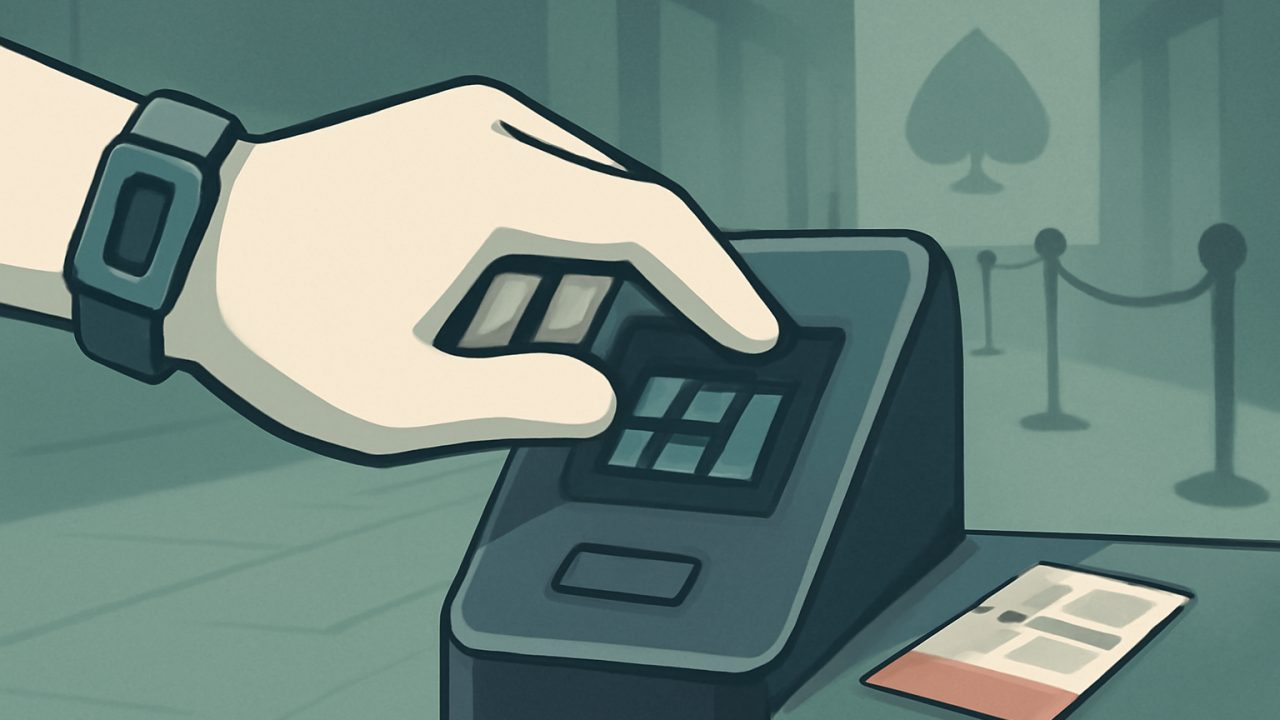
“Zero processing fee” is a powerful headline, but organizers should map the full fee stack: on-chain network fees, on-ramp/off-ramp spreads, FX if non-USD cards fund crypto, and potential treasury conversion costs. Even if the buy-in processor waives fees, FX or slippage when converting SOL to stablecoins or fiat can still affect net yield.
Stablecoin payouts at WSOP Paradise aim to remove wire delays for winners. That can reduce front-desk congestion and back-office reconciliation headaches, especially when dozens of countries and banks are involved. The trade-off: you need clear tax documentation and a custody posture for unclaimed prizes or corrections. Many venues mitigate this by settling winners’ choices quickly and minimizing any on-balance crypto exposure.
Pro tip: If you accept volatile assets for buy-ins, auto-convert to a designated stablecoin or fiat within minutes and set measurable exposure limits per cage and per day.
Operationally, single-provider reliance simplifies accountability but concentrates risk. If a sole processor experiences downtime, cages need a rapid pivot to cash/card queues. That’s why hybrid stacks — blockchain rail plus legacy fallbacks — remain pragmatic.
Designing the Player Experience: From QR to Seat
Great payment UX is invisible. For crypto, that means a QR code that populates the exact SOL amount, a confirmation screen with an estimated finality countdown, and immediate issuance of a receipt that cage staff trust. If KYC is required, prompt players to complete it long before peak buy-in windows to avoid bottlenecks.
MoonPay’s role at WSOP centralizes support for the crypto lane. Clear signage should direct players with wallet issues to the right help channel rather than to the cage queue. For cross-border participants, a pre-event email detailing wallet setup, network selection (Solana), and stablecoin payout options can trim on-site friction by half.
Pitfalls & Red Flags
- Assuming zero total cost: Even if processing is fee-free, spreads, FX, and treasury conversions can erode savings.
- Wallet UX gaps: First-time users may send from the wrong network or underfund gas; provide clear instructions and test transactions.
- Single point of failure: Relying on one processor without a fallback plan risks queues if there’s downtime.
- Regulatory blind spots: Cross-border payouts may trigger additional KYC/AML or tax reporting; align with counsel before launch.
- Volatility exposure: Holding SOL balances during peak volatility can swing event P&L; define auto-convert thresholds.
- Reconciliation drift: If on-chain settlement and accounting systems aren’t aligned, small mismatches compound across hundreds of tickets.
For ongoing coverage of crypto’s real-world adoption — from rails to regulation — visit Crypto Daily.
Frequently Asked Questions
How do SOL buy-ins at WSOP actually work?
At designated points, the system displays a SOL amount and a Solana address/QR. You send from a compatible wallet; once confirmed on-chain, your receipt is issued and your registration proceeds. MoonPay runs the crypto processing lane, per event communications.
Are there really no fees for the crypto buy-in option?
The program messaging highlights zero processing fees for the Solana-powered method. However, blockchain network fees and any conversion or FX spreads can still apply, depending on how you fund the transaction and whether the venue auto-converts.
Will prize payouts be available in crypto too?
WSOP Paradise (Bahamas) plans to offer winners stablecoin payouts on Solana later in 2026, aiming to avoid multi-day wire delays. Check event materials for eligible brackets, timelines, and documentation requirements.
Do I need to complete KYC to use the crypto lane?
Payment processors typically require KYC/AML. If you plan to pay buy-ins with crypto or receive stablecoin payouts, complete KYC early to avoid cage delays during peak hours.
What happens if SOL’s price moves mid-transaction?
Most systems quote a SOL amount tied to a fiat value for a limited time window. If the timer expires or the amount received is off by a margin, you may need to resend the difference or request assistance.
How does this compare to card payments for disputes?
On-chain transactions are final; there are no chargebacks like with cards. For refunds or adjustments, the venue’s policy and the processor’s flow govern next steps.
Where does Luxon Pay fit alongside Solana at WSOP?
Luxon Pay has been named an official payment partner for WSOP Global Events and is available via the WSOP LIVE app in the U.S., running a limited-time Main Event seat raffle tied to buy-ins. It complements, rather than replaces, the crypto lane.
Disclaimer: This article is provided for informational purposes only. It is not offered or intended to be used as legal, tax, investment, financial, or other advice.
Related Stories