Regulator by Regulator: How Anjouan, Curaçao and Malta Supervise Web3 Sportsbooks
 Crypto Daily
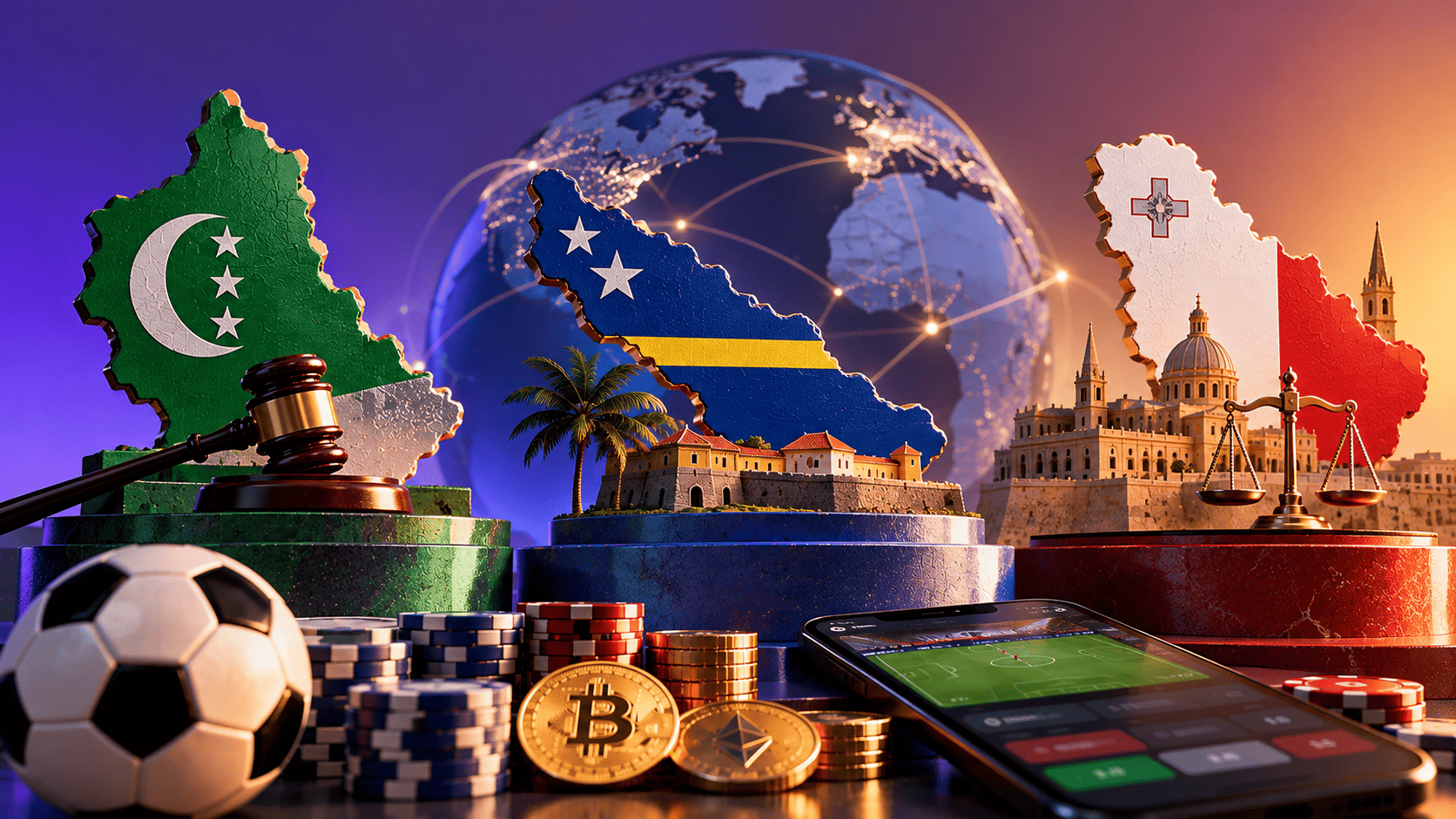
Three small jurisdictions license a large share of the world's crypto sportsbooks. Anjouan in the Comoros, Curaçao in the Caribbean and Malta in the Mediterranean each supervise operators in their own way, and the differences reach the bettor.
Each regulator sets its own rules on anti-money-laundering checks, player protection, complaints and crypto payments. Each also keeps a public register, though the detail it shows varies.
Viewed side by side, the three help a bettor read the licence line in a sportsbook footer as more than a badge.
Three Regulators Side by Side
Licensing regimes share common goals, yet the route to a licence and the protections behind it differ. The table sets out the main features of each.
|
Feature |
Anjouan |
Curaçao |
Malta |
|
Founding law |
Gaming legislation dating from 2005 |
Ordinance on games of chance, effective December 2024 |
Gaming Act of 2018 |
|
Licensing body |
Island authorities through a licensing service |
The CGA, licensing directly |
The MGA |
|
Dispute route |
Operator first, then an approved outside body |
Operator first, then an approved outside body |
Operator first, then mandatory ADR |
|
Crypto stance |
Permitted under AML rules |
Permitted, treated as higher risk |
Permitted with approval under a DLT policy |
|
Public register |
Yes |
Yes |
Yes |
Last verified: October 2026
Regulators publish licence details in their registers, and the information a licence entry shows can confirm whether a sportsbook's claim holds up. Our guide to what a licence number tells a player covers how to read those entries.
Anjouan Tightened Its Rules After 2023
Anjouan licenses online gambling under laws dating from 2005, with gaming oversight, financial checks and licence administration split between separate island bodies. Trade reports put the number of licences issued above 1,650 by mid-2026, with around 1,500 active.
What Licensees Owe Players
Operators must run AML programmes with customer checks, transaction monitoring and sanctions screening. Player protection rules cover age checks, self-exclusion, deposit and loss limits and the separation of player funds.
How Complaints Move
Players complain to the operator first, which typically has around 30 days to respond. Unresolved cases then go to an approved outside body that the operator pays for, while the regulator checks that complaint processes work.
In June 2026, Anjouan's regulator stressed that its licence does not authorise operators in every country. Our look at what Anjouan regulation covers explains that scope in more detail.
Curaçao Moved to Direct Licences
Curaçao's new gambling ordinance, known locally as the LOK, became law on December 24, 2024. It replaced the old system of master licence holders and sublicences with licences issued directly by the Curaçao Gaming Authority.
Licences under the old law stayed valid into 2025, and the authority granted more than 600 provisional licences by late that year. The authority treats the move from provisional to permanent status as a priority for 2026.
New requirements include a physical office on the island and locally based key staff approved by the authority. AML rules took effect in April 2025, alongside a responsible gaming policy covering age checks, cooling-off periods, self-exclusion and deposit limits. Guidelines for outside dispute bodies followed in September 2025.
Malta Requires ADR and Regulates Crypto Through Policy
Malta's Gaming Act of 2018 underpins a licensing regime that has long attracted larger European operators. Directive 5 of 2018 requires every B2C licensee to contract an alternative dispute resolution provider and publish the procedure for players.
Since April 2019, the authority's Player Support Unit has left individual rulings to ADR providers. It accepts reports of unlawful or unfair conduct and reviews licensees' dispute records.
Malta's policy on distributed ledger technology, issued in February 2023, lets approved operators accept crypto, issue their own tokens or use audited smart contracts. Privacy coins remain banned, and operators cannot run crypto exchange services on their own sites. Our broader look at how crypto casino licensing differs across Europe sets Malta beside other regimes.
What Supervision Means for a Bettor
Supervision shapes three practical things. It sets the order of a complaint, decides which outside body hears an unresolved case and defines the player protection tools an operator must offer.
Supervision also has limits. Each regulator licenses activity from its own jurisdiction, while local law decides whether a player may bet with that operator at home.
Bettors get real value from a licence when they check the register entry, read the complaints procedure and confirm the dispute body before a problem arises.
Dexsport Under Anjouan Supervision
Dexsport operates through Dexapp LTD under an Anjouan licence, with a sportsbook, casino and prediction markets on one account. Dexsport's terms set the minimum age at 18, or higher where local law requires, and exclude residents of Russia and Belarus.
Players raise disputes with Dexsport by writing to [email protected] or using the in-platform route, and its terms move from negotiation to arbitration if needed. Self-exclusion requests go to [email protected], and Dexsport blocks the account within 12 hours of receipt.
Dexsport's terms also allow identity checks at any stage, in line with the AML duties Anjouan places on licensees.
Conclusion
Anjouan, Curaçao and Malta each supervise crypto sportsbooks under their own laws. Anjouan has tightened AML, player protection and dispute rules since 2023, Curaçao moved to direct licences in December 2024, and Malta requires ADR and regulates crypto through a dedicated policy.
All three send complaints to the operator first and then to an outside body. Each keeps a public register, and each licence covers activity from its own jurisdiction only.
Five minutes with the register and the complaints procedure before a deposit makes the licence line in a footer meaningful. Each country sets its own betting rules, so confirm yours, keep to legal age limits and expect that KYC or AML checks may apply.
Disclaimer: The information here is provided for general purposes only and is not legal, tax, investment, or financial advice. Licensing laws, regulator policies and dispute procedures change over time, so check each regulator's official site and each operator's current terms before you bet. Betting carries risk, and rules vary by country, so check the law where you live. Please bet responsibly, within your means, and only if you are of legal age.
Related Stories