Sandisk Leads the AI Hardware Pullback: Why Memory Stocks Became the Weak Link
 Lena Carter
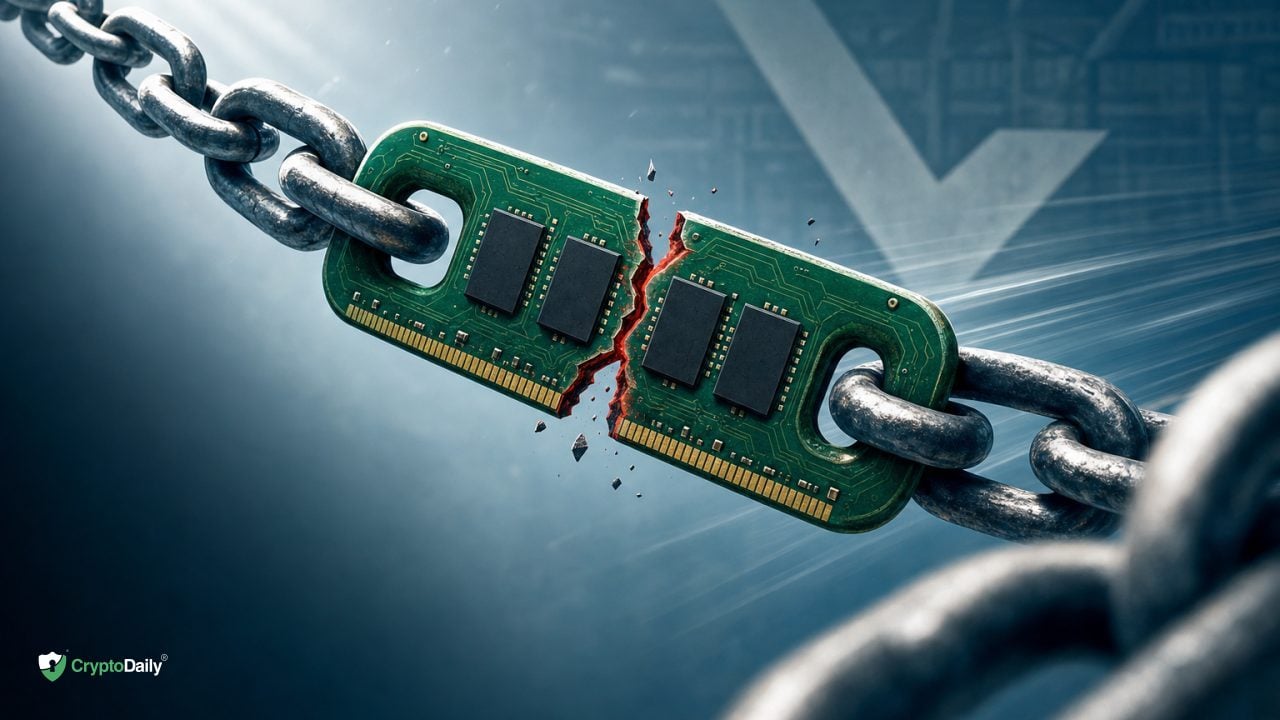
The AI trade didn’t break where most people expected. It didn’t start with GPUs or server OEMs. It cracked at memory.
SanDisk’s NAND franchise found itself front and center as sellers rushed out of anything tied to bits and wafers. Micron slid alongside it. And the move didn’t come out of thin air — it came right after Korea’s shock session that rattled global semis.
Here’s why memory suddenly looked like the weak link in AI hardware, what actually changed under the surface, and how to keep your risk sane when this part of the stack gets loud.
| Point | Details |
|---|---|
| Global trigger | On June 23, South Korea’s KOSPI plunged nearly 10%, halting trade; Samsung Electronics and SK Hynix each fell more than 12% that session (The Washington Post). |
| U.S. follow-through | SanDisk-linked and Micron names were reported down more than 13% at the close as the memory selloff spread from Seoul to U.S. markets (The Washington Post). |
| Paradox of strength | Micron posted a record fiscal Q3 with $41.46B revenue, ~84.9% non‑GAAP gross margin, and $25.11 non‑GAAP EPS, reflecting intense AI memory demand (CM Terminal). |
| De-risked yet capped | Micron signed 16 multi‑year SCAs covering ~20% DRAM and ~1/3 NAND volume with ~$100B minimum revenue and ~$22B in customer commitments (CM Terminal). |
| Why memory cracked first | Pricing power in memory is elastic, inventories swing fast, and investor positioning was crowded after a monster run. |
| Crypto spillover | Hardware shocks can tighten GPU availability and dent AI-token narratives; miners pivoting to AI hosting feel the squeeze first. |
What actually broke in the AI hardware trade?
It wasn’t demand. AI data center buildouts are still on full blast. What changed was the market’s tolerance for forward promises in a part of the stack that lives and dies on price per bit.
The spark was overseas. Korea’s market essentially face-planted, with the KOSPI down nearly 10% in a single session and trade halted. Samsung and SK Hynix each fell more than 12% that day, taking the air out of the room for memory across the board (The Washington Post).
U.S. traders didn’t wait for explanations. SanDisk-tied exposure and Micron were hit for more than 13% by the close, per same-day reporting, even as the fundamental story still looked great on paper (The Washington Post).
That’s the tell. When “great on paper” stops supporting price, you’re dealing with cycle math, not just growth math.
Memory economics in the AI age
Everyone lumps memory together, but AI splits it into three realities: general DRAM, high-bandwidth memory for accelerators, and NAND for storage. They rhyme, but they don’t sing the same song.
DRAM vs HBM vs NAND, in plain English
| Type | Where it sits | AI sensitivity | Key risks |
|---|---|---|---|
| DRAM | System memory for CPUs/GPUs | Moderate to high (AI servers need lots of it) | Cycle swings, ASP compression when supply loosens |
| HBM | Stacked memory packaged near GPUs | Very high (bottleneck for AI accelerators) | Yield and capacity constraints; customer concentration |
| NAND | Persistent storage (SSDs) | Indirect (AI workloads store data, but elasticity is higher) | Fierce competition; fast price discovery; inventory whiplash |
HBM is the shiny piece right now, but it’s also the narrowest part of the funnel. If yields wobble or a single customer delays orders, that tight market can turn abruptly. DRAM sits in the middle: essential, scalable, and brutally cyclical. NAND is where elasticity bites hardest — cut prices and volume jumps, raise prices and demand can pause overnight.
Why elasticity matters more than ever
AI buyers can’t skimp on accelerators, but they can tweak memory configs, stagger storage purchases, or hold inventory a little longer. That optionality makes memory the first place traders express doubt when the macro picture gets jumpy.
Why SanDisk and friends took the first hit
When a market gets crowded, money sprints for the exit through the narrowest door. NAND is that door.
Pricing power is fragile
Even after months of strong pricing, NAND producers know how quickly discounts creep back in. A single quarter of channel pushback or a large customer working down inventory can flip the tone. That’s why the SanDisk franchise — shorthand for high NAND exposure in many portfolios — became the lightning rod when the selling started.
Inventory and wafer starts still run the show
There’s a hard balance between chasing today’s AI demand and not overbuilding tomorrow’s hangover. Wafer starts inch up, yields improve, and suddenly contract buyers have options. Traders, smelling that inflection, don’t wait for the earnings call to confirm it. They sell first.
Pro tip: Watch commentary about “inventory days” and “wafer start discipline” on earnings calls. When those lines soften, pricing usually follows within a quarter or two.
Micron’s record quarter and the paradox
Here’s the twist that confused a lot of people: Micron printed a monster number right into the storm. Per an analysis of Micron’s fiscal Q3 reported June 24, 2026, the company posted $41.46 billion in revenue, around 84.9% non‑GAAP gross margin, and $25.11 non‑GAAP diluted EPS — “unprecedented AI-driven memory demand,” as the write-up put it (CM Terminal).
And Micron didn’t stop at one good quarter. It disclosed 16 multi-year Strategic Customer Agreements covering about 20% of DRAM and roughly one-third of NAND volume, carrying around $100 billion in minimum revenue with roughly $22 billion of cash deposits or financial commitments from customers, per those same materials (CM Terminal).
So why did the stock slide anyway?
Because markets discount the next turn, not the last print. Multi-year agreements de-risk volumes, but they can also cap upside if spot prices keep running. Think of SCAs like fixed-rate insurance: great when the storm hits, less great if the sun keeps shining and you locked in at yesterday’s rates.
Another nuance: those customer deposits are a vote of confidence, but they also signal just how concentrated the AI memory buyer base is. Concentration means headline risk. One procurement shift can push a lot of revenue around the calendar.
Where the cracks showed up on June 23
The tape told the story. Korea’s abrupt plunge and trading halt framed a “something broke” narrative for global semis. The selloff nailed the two biggest global memory anchors in Samsung and SK Hynix first and hardest (The Washington Post).
Then U.S. hours picked up the baton. Reporting flagged Micron and the SanDisk-linked complex down more than 13% into the close, a fairly classic beta-with-a-knife-edge day for anything tied to bits and stacks (The Washington Post).
What the market was (probably) pricing
- Peak-to-near-peak margins in memory and zero room for error.
- A risk that HBM capacity headlines may have outpaced near-term fulfillment.
- Inventory rebuild in the channel that could flip to digestion in late 2026.
- Positioning: funds overweight the AI supply chain looked for the fastest way to cut gross exposure.

Knock-on effects for crypto and AI-adjacent assets
Why should crypto folks care? Because hardware shocks leak into our corner more than you’d think.
GPU supply, miners, and AI side-hustles
Plenty of Bitcoin miners and Web3 infra shops now run sidecar AI workloads to juice revenue. If memory bottlenecks delay accelerator shipments or raise total system costs, expansion roadmaps slip. Hosting rates can wobble. And that spills into treasury decisions and token-level risk.
AI-token narratives trade like leverage on hardware
AI-thematic tokens often rip when hardware capacity headlines look rosy and sag when supply tightens or pricing power looks shaky. It’s not a one-to-one link, but the correlation shows up on days like June 23. Watch that relationship when sizing positions around catalyst windows.
Risk check: Tokens aren’t claims on GPU racks or memory inventory. They trade on narrative velocity. Price can detach from fundamentals, and liquidity can vanish fast. Manage size and time horizons accordingly.
Positioning around memory cycles without getting chopped
None of this is financial advice. It’s a checklist I keep taped to the monitor when memory names start screaming.
A simple cycle checklist
- Inventory days: Are customers drawing down or rebuilding? Easing inventory usually precedes price wobble.
- Contract vs spot: When spot starts slipping under contract, margin pressure isn’t far behind.
- Wafer starts and yields: Capacity creep plus improving yields equals surprise supply.
- Customer concentration: Two or three hyperscalers calling the tune means volatile order books.
- Capex guidance: Aggressive capex into late-cycle strength can become tomorrow’s glut.
- SCA updates: Growing deposits can cushion downside; flat pricing in SCAs can mute upside.
Practical hedges and sanity checks
- Time your exposure: Memory cycles are measured in quarters, not weeks. Size positions for that clock.
- Blend across the stack: DRAM, HBM, and NAND don’t peak the same week. Diversifying exposures can reduce portfolio beta.
- Respect the open: When Korea sets the tone, U.S. semis often follow. If you’re not early, be patient.
- Accept drawdown math: If margins look perfect, they’re probably peaking. Price will sniff it out before guidance does.
Pro tip: Don’t anchor on one hero quarter. In semis, the top tick often happens the month the best numbers hit the tape.
What to monitor next quarter
There’s no silver bullet indicator, but a handful of datapoints will keep you on the right side of the curve.
- HBM yields and mix: Any improvement widens supply; any hiccup tightens pricing immediately.
- DRAM and NAND contract indices: The first hint of a plateau matters more than one week of spot noise.
- Hyperscaler commentary: Capex cadence tells you how hard they’ll push memory vendors into year-end.
- Korea as a lead indicator: Samsung and SK Hynix share prices often front-run U.S. sentiment on memory.
- SCA disclosures: Look for changes in volume coverage, pricing bands, and deposit size in vendor updates.
- Inventory at OEMs and distributors: Rising channel stock while prices hold up is your storm cloud.
A quick note
If you want a calmer read when markets get loud, we track these crossovers between chips and tokens all the time at Crypto Daily. No fluff — just what matters for positioning.
Frequently Asked Questions
Did demand for AI servers actually fall, or was this just positioning?
Most signs point to positioning and cycle anxiety rather than a sudden demand collapse. The big hyperscalers still plan heavy AI capex. What changed was the market’s tolerance for perfect margins and the risk of a near-term inventory digestion.
How can memory stocks drop on the same week Micron reported a record quarter?
Markets discount the next twelve months, not the last three. Micron’s record fiscal Q3 and strong margins underscore demand, but investors worry about peaking profitability and whether multi-year contracts will cap upside if spot prices fade.
What exactly are Strategic Customer Agreements (SCAs)?
They’re multi-year supply deals that set volume commitments and, often, pricing bands. In Micron’s case, the company disclosed 16 SCAs covering a chunk of DRAM and NAND with sizable customer deposits, which de-risks revenue but can limit surprise upside if the cycle keeps strengthening.
Is SanDisk a separate stock?
SanDisk is a major NAND brand within Western Digital today, but market and media shorthand sometimes reference the SanDisk franchise when discussing NAND-heavy exposure. The June 23 reports highlighted SanDisk-linked names and Micron selling off in tandem.
What’s the quickest tell that memory pricing is rolling over?
When spot undercuts contract for more than a couple weeks and channel inventory starts creeping up, that’s your early warning. Also listen for softer language around wafer starts and discipline on earnings calls.
How does this touch crypto miners and AI-focused Web3 projects?
If memory tightness delays accelerators or lifts system costs, miners offering AI hosting can see margin pressure and slower expansions. AI-themed tokens also trade the vibe of hardware capacity; on selloff days, the correlation tends to spike.
Could geopolitics or export controls make this worse?
They could. Memory supply chains are globally intertwined. Any new export restriction or licensing friction can add volatility, especially given concentrated HBM supply and a small set of giant buyers.
Disclaimer: This article is provided for informational purposes only. It is not offered or intended to be used as legal, tax, investment, financial, or other advice.
Related Stories