USDC Creator Payouts: Can Meta Turn Stablecoins Into a Real Creator-Economy Rail?
 Elliot Veynor
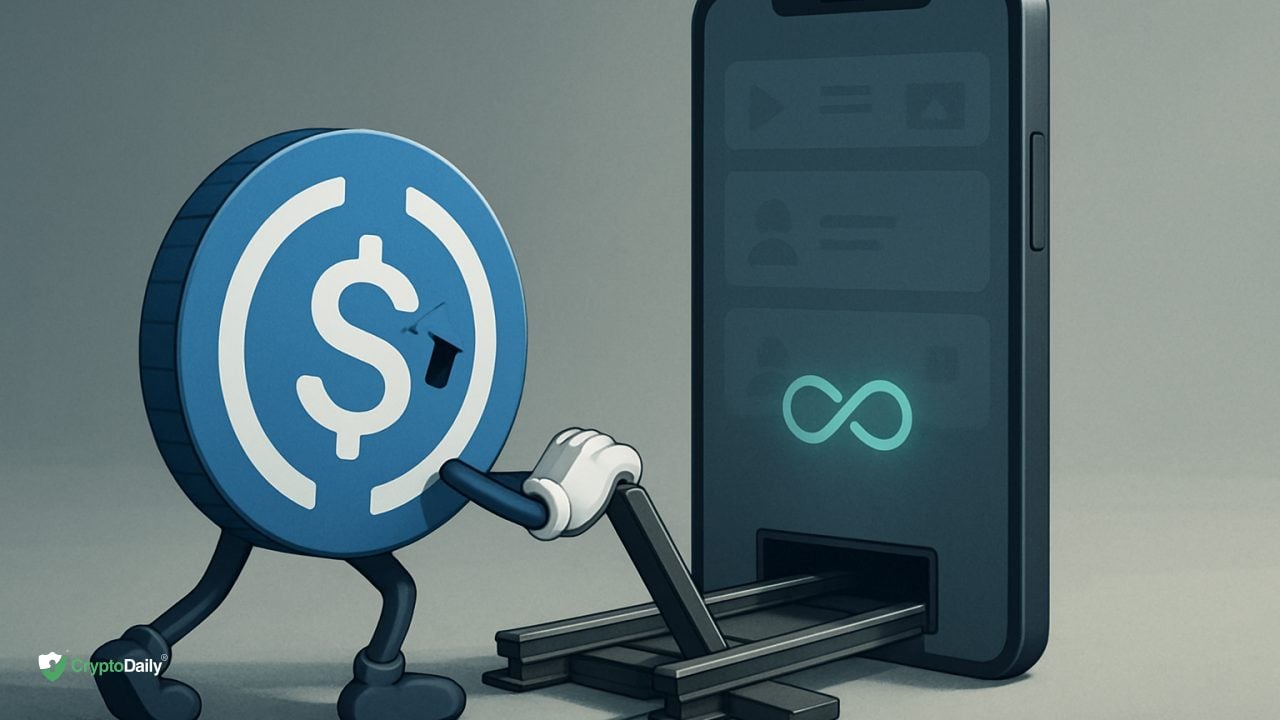
Creators have long battled slow payouts, FX losses, and platform rules that change without notice. If you sell digital goods or monetize short-form video, your take-home is often shaved by fees and time.
That’s why Meta’s move to pay selected creators in USDC via Stripe — settling on Solana and Polygon, with a pilot in Colombia and the Philippines — is getting real attention. It suggests a path to near-instant settlement and global reach without the old cards-and-banks stack (Vaasblock).
This piece breaks down the mechanics, practical setup, trade-offs, and red flags so you can decide if stablecoin payouts are a fit for your audience and cash-flow model.
| Aspect | What to Know |
|---|---|
| Availability | Meta is piloting USDC payouts via Stripe for selected creators in Colombia and the Philippines; not yet broadly rolled out (Vaasblock). |
| Assets & Networks | USDC on Solana and Polygon — both offer low fees and fast settlement; mind the correct network when sharing addresses (Vaasblock). |
| On/Off-Ramps | Payments are routed by Stripe; creators can hold USDC, swap on-chain, or off-ramp via exchanges and local partners where available. |
| Cost & Speed | Stablecoin transfers on these chains are typically low-cost and quick; total cost still depends on wallet, exchange spreads, and withdrawal fees. |
| Compliance | Expect KYC and sanctions screening when onboarding; local tax and reporting rules apply to crypto income. |
| Market Context | Stablecoins are large and liquid — total cap around $315.3B, with USDT and USDC dominant (DeFiLlama). |
| Issuer Momentum | Circle continues to expand token standards (e.g., cirBTC with on-chain reserve verification), signaling deeper infrastructure investment (The Cryptonomist). |
How USDC Creator Payouts Actually Flow
Editor's note: In Q1–Q2 2026 I kept a close eye on creator payouts while tracking stablecoin flows and speaking with a few LATAM and SEA managers who pilot new rails. The Meta–Stripe USDC tests in Colombia and the Philippines came up repeatedly, with teams highlighting fast settlement but stressing last‑mile friction: network mismatches, P2P spreads, and verification holds. On my desk, test transfers on Solana and Polygon were smooth, but the real variance sat in off‑ramp fees and timing. My takeaway: the rail feels ready, yet success hinges on wallet UX, compliant onboarding, and predictable fiat exits. — Elliot Veynor
In Meta’s pilot, the platform instructs Stripe to pay your earnings in USDC, settling on either Solana or Polygon. You provide a compatible wallet address for the chosen chain. Once funds hit your wallet, you can hold USDC, swap to another asset, or cash out to fiat via a supported off-ramp or exchange. The settlement itself is on-chain; the compliance and payout orchestration run through Stripe’s rails and Meta’s platform logic.
Why stablecoins? For cross-border creators, a dollar-referenced asset helps avoid volatile FX swings between earning and cashing out. Transfers on Solana and Polygon are fast, and network fees are typically a fraction of card-network or wire costs. That said, total cost of ownership includes wallet setup, on/off-ramp spreads, and any exchange withdrawal fees.
Market depth matters too. As of mid-June 2026, stablecoins collectively stood near $315.325 billion in market cap, with USDT and USDC dominating supply, a sign of deep liquidity and broad exchange support (DeFiLlama). Issuers keep building as well: Circle recently launched cirBTC, a 1:1 BTC-backed ERC‑20 with on-chain reserve verification, underscoring a push toward standardized, transparent tokenized money and assets (The Cryptonomist).
Still, this is a pilot. Coverage is limited and subject to change. Funds are not bank deposits, and stablecoin users should understand private key management, chain selection, and regional rules before relying on it for household cash flow.
Glossary: The Few Terms You’ll Actually Use
- USDC — A dollar-referenced stablecoin issued by Circle; widely listed and supported by major chains and exchanges.
- On/Off-Ramp — Services that convert fiat to crypto (on) or crypto to fiat in your bank or e-wallet (off), typically with KYC and fees.
- Gas Fee — The network fee paid to process a transaction on Solana or Polygon; usually small but variable.
- Custodial vs. Self-Custody — A custodial app or exchange holds keys for you; self-custody means you control the wallet seed/keys directly.
- Network Selection — USDC exists on many chains; you must match the correct chain (e.g., USDC-Solana vs. USDC-Polygon) when sharing deposit addresses.
- Stablecoin Spread — The difference between the price you sell USDC for and $1.00, plus off-ramp fees and FX rates to local currency.
Step-by-Step Playbook
- Confirm pilot eligibility and terms — Check your creator dashboard for USDC payout access in Colombia or the Philippines and review Meta/Stripe onboarding steps (Vaasblock).
- Choose your custody model — Decide between a reputable exchange wallet (simpler off-ramp) or a self-custody wallet (more control). If self-custody, write down and secure your seed phrase offline.
- Pick your chain intentionally — If your off-ramp supports USDC on Solana but not Polygon (or vice versa), align your payout chain to minimize bridging and extra fees.
- Test with a micro-payout — Before routing full earnings, run a small transfer to confirm the address format, chain, and off-ramp deposit flow.
- Plan your exit path — Map how you’ll go from USDC to local currency: exchange deposit, P2P market, or fintech wallet. Note fees, limits, and typical verification times.
- Budget for taxes and reporting — Track each payout amount, date, and chain. Consult a local tax professional to classify earnings and plan quarterly estimates.
- Automate FX where possible — If income is regular, schedule periodic conversions to reduce emotional timing decisions and FX drift.
- Reassess quarterly — Revisit your chain choice, spreads, and compliance steps every 3 months; pilots evolve and fees change as liquidity shifts.
Solana or Polygon: Which Rail Fits Your Audience?
Both Solana and Polygon are low-fee, high-throughput environments, and USDC is native to each. The better choice is the one your conversion path supports with the fewest extra hops. Wallet UX and regional exchange coverage often matter more than theoretical TPS numbers.
| Factor | Solana (USDC-SOL) | Polygon (USDC-Polygon) |
|---|---|---|
| Settlement & Fees | Typically fast with low fees; strong retail wallet ecosystem. | Also fast and inexpensive; benefits from EVM tooling and broad DeFi integrations. |
| Exchange Support | Major exchanges accept USDC on Solana; check your local venue’s deposit networks. | Widely supported due to EVM compatibility; confirm network tag to avoid mis-sends. |
| Wallet Options | Popular mobile and browser wallets with easy address formats and QR support. | Many EVM wallets; ensure correct chain selection to prevent sending to the wrong network. |
| Creator Tooling | Active NFT and payments tooling for fan monetization. | Deep integrations with EVM DeFi and commerce plugins. |
| Bridging Need | Low if your off-ramp natively supports USDC-SOL. | Low if your off-ramp natively supports USDC-Polygon. |
Pro tip: Start with the chain your cash-out venue lists for USDC deposits. Reducing one “bridge” or extra swap can save more than any tiny fee advantage on the other network.
From Payout to Pesos: Off-Ramping Without Losing Margin
The difference between a slick USDC payout and a profitable one is the last mile — getting to local cash or e-money at a fair rate. In both Colombia and the Philippines, creators commonly use centralized exchanges, peer-to-peer marketplaces, or fintech wallets that accept crypto conversions. Each path has moving parts: spreads to the dollar, maker/taker fees, bank withdrawal or wallet top-up costs, and potential limits during high-volume periods.
To keep more of your earnings, map the exact route and test it: deposit USDC on the supported network, convert to local currency, and withdraw to your bank or e-wallet. Record every fee and the end amount. If a venue supports only one network for USDC deposits, prefer that chain for your Meta payout to avoid bridging. If liquidity is thin at certain hours, schedule conversions when volume is higher to reduce slippage.
If you serve a global audience and pay collaborators, you can also keep a USDC float to settle with partners directly on-chain. That reduces double FX (USD→local→USD), though it introduces custody obligations and crypto accounting complexity. Always document transfers and memo fields, and maintain a separate wallet for business operations to keep books clean.
Policy, Chargebacks, and Platform Risk
Stablecoin transfers are final on-chain, which removes card chargebacks but also shifts responsibility to you for addressing errors. If you mis-send to the wrong chain or address, funds are typically unrecoverable. Meanwhile, Stripe and Meta still apply onboarding checks, sanctions screening, and platform rules. A payout can be delayed if additional verification is needed, even if the on-chain leg is instant.
Plan for platform risk. Pilot features can change, pause, or expand with short notice. Avoid building your entire livelihood on one payout option; keep a fallback in fiat or on another platform. Document your customer support channels and escalation paths ahead of time so disruptions don’t turn into missed rent.
Finally, taxes and reporting: local authorities may require creators to declare crypto income at the time of receipt, when converted, or both. Keep a ledger with date, chain, asset, local currency equivalent, and fees. Consult a qualified tax professional — not all jurisdictions treat stablecoin receipts the same way.
Pitfalls & Red Flags
- Wrong network, right token — USDC exists on many chains; sending USDC-Polygon to a Solana address (or vice versa) can permanently burn funds.
- Too-good-to-be-true off-ramps — Unlicensed P2P buyers offering “no-fee” cash often recoup costs in wide FX spreads or attempt reversals via bank disputes.
- Phishing and “support” impostors — Scammers pose as Meta/Stripe/wallet support. Never share seed phrases or 2FA codes; verify domains and in-app prompts.
- Hidden conversion costs — Exchange maker/taker fees, withdrawal fees, and weekend banking surcharges can exceed chain gas by orders of magnitude.
- Regulatory blind spots — Some services block certain regions or impose limits after KYC reviews. Keep a backup venue to avoid payout bottlenecks.
- Mixing business and personal wallets — Poor segregation complicates taxes and increases the blast radius of any compromise.
If you want ongoing coverage of crypto payments, market structure, and stablecoin policy shifts, follow reporting and explainers at Crypto Daily.
Frequently Asked Questions
How do Meta’s USDC payouts actually work in the pilot?
Meta routes payments through Stripe and settles to a wallet you control in USDC on either Solana or Polygon. You can then hold, swap, or off-ramp to local currency via supported venues. This setup aims to cut time and cost versus card or wire payouts (Vaasblock).
Who can join today?
As reported, access is limited to a selected group of creators in Colombia and the Philippines. Broad expansion hasn’t been announced; eligibility and timelines can change during pilots (Vaasblock).
Do I need a crypto wallet, or can I use an exchange account?
You can typically use either, but a reputable exchange account may simplify cash-outs. Self-custody offers more control but requires secure key storage and more setup. Always confirm your venue supports USDC on the exact network you select.
Why Solana and Polygon specifically?
They offer low fees and fast settlement and have strong USDC support. The best choice is whichever your off-ramp natively supports to avoid bridging and extra swaps.
Are stablecoin earnings volatile like other crypto?
USDC is designed to track the U.S. dollar. While it seeks price stability, your final local-currency amount still depends on off-ramp spreads, FX rates, and fees at conversion time.
What about taxes and compliance?
Expect KYC when onboarding with Stripe and any off-ramp. For taxes, record your receipts and conversions and consult a local professional; rules vary by jurisdiction and may evolve.
Is USDC safe to hold for months?
USDC aims for dollar parity and wide exchange support, but it’s not a bank deposit and carries issuer, regulatory, and operational risks like any stablecoin. Diversify custody and understand your own risk tolerance. Market scale remains significant, with stablecoins totaling about $315.3B in cap (DeFiLlama).
Disclaimer: This article is provided for informational purposes only. It is not offered or intended to be used as legal, tax, investment, financial, or other advice.
Related Stories