PENGU's July 17 Unlock: Can Pudgy Penguins Turn Brand Demand Into Token Liquidity?
 Ethan Caldwell
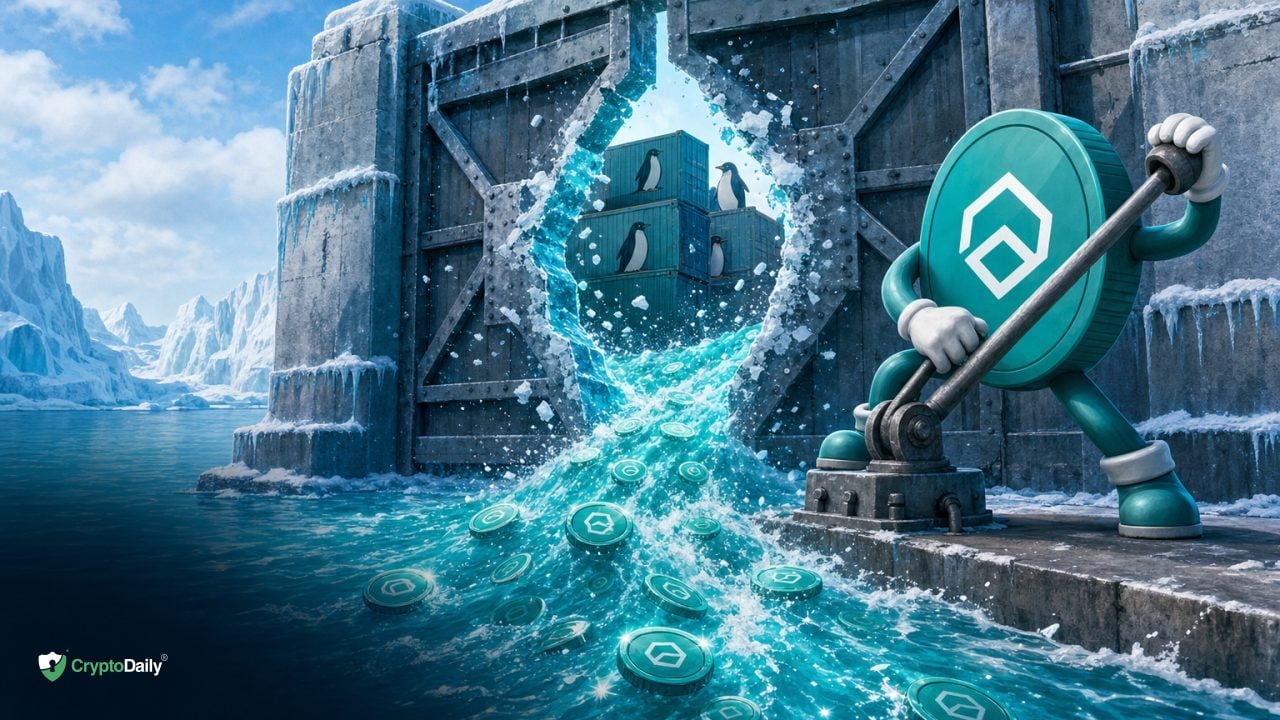
There is a clean calendar catalyst for PENGU this week. A chunk of tokens unlock on July 17. The question traders keep asking is simple: does Pudgy’s brand heat help at all once fresh supply hits order books?
I will walk through the size, the likely liquidity paths, what the last unlock did, and how to frame scenarios. No promises or predictions here. Just what the data says and what usually moves the tape around events like this.
If you care about the short window between an unlock and the next two weeks of trading, this is for you. If you hold for the brand and long runway, you still want to know who might sell, who hedges, and what signals matter.
| Point | Details |
|---|---|
| Event size and timing | July 17 unlock of 722,962,963 PENGU, about 0.8% of total supply, roughly $4.5M at snapshot pricing Tokenomics.com (Pudgy Penguins unlocks page). |
| Circulating vs remaining | About 62.86B PENGU in circulation (~70.7%) and ~20.97B (~23.6%) still scheduled to unlock per the vesting timetable Tokenomist.ai (Pudgy Penguins overview). |
| Recent price reaction | The June 17 unlock was followed by a 10‑day drawdown of about 20.6% according to aggregator data Tokenomics.com (PENGU price & unlock history). |
| Holder mix | Allocation guide: Team ~17.8%, Liquidity ~12.35%, Company ~11.48%, Pudgy Community ~25.9%, Other Communities ~24.12% Tokenomist.ai (PENGU tokenomics page). |
| Key watchpoints | Exchange listings, market maker inventory, perp skew, DEX depth, post‑event spot inflows, and whether unlock recipients transfer on day one. |
What exactly is unlocking on July 17?
Editor's note: In Q2 2026 I spent more time mapping unlocks than reading headlines, because the flow kept winning. On desks I speak with, the trades that worked were simple: respect the schedule, check venue depth, and fade crowded basis when it snaps. I ran a small book through two cliff events in May and June and the same pattern showed up both times. Perps set the tone, not tweets. For PENGU, the brand story is real, but my notes say liquidity first, narrative after. I will watch exchange inflows and funding more than anything. — Ethan Caldwell
Per the public vesting schedule, around 722,962,963 PENGU are due to unlock on July 17. That is roughly 0.8% of the 88,888,888,888 total supply, and the snapshot valuation the day before pins it at about 4.5 million dollars in nominal terms Tokenomics.com (Pudgy Penguins unlocks page). This is not a huge chunk in percentage terms, but it is meaningful if it lands in shallow order books.
Zooming out, circulating supply sits near 62,860,396,090 PENGU, about 70.7% of the total, while an estimated 20,965,925,925 PENGU, or roughly 23.6%, remain scheduled to be released over time Tokenomist.ai (Pudgy Penguins overview). The path of that unlock cadence matters more than any one date, but single events can still jolt price if recipients sell into thin liquidity or if hedges get unwound all at once.
Do we know the exact bucket for this tranche? Public trackers show the total and timing, but category level granularity can vary by source. Treat the recipient mix as uncertain ahead of the event and watch on-chain movements rather than assuming one group will sell.
Brand heat vs token flow: can PENGU bridge it?
Pudgy Penguins as a brand has real cultural pull. Toys, memes, licensing talk, social engagement. That stuff helps keep the community alive and can support longer horizon demand for exposure. The catch is simple. Brand demand does not automatically convert into token buy pressure at the exact hour a vesting cliff hits.
Think in channels. Liquidity events live on a different timeline. They are about who receives supply, how fast it moves to exchanges, and whether market makers step in with inventory. Those are plumbing questions, not marketing ones.
| Brand driver | Likely token impact path |
|---|---|
| Retail visibility and IP buzz | Improves long‑run awareness and holder base growth, usually slow and lumpy. |
| Partnerships or product releases | Can trigger short‑term interest if tied to token utility, otherwise indirect. |
| Community campaigns | Supports retention and staking behavior if mechanics exist, reduces churn over time. |
| Unlock events | Immediate supply-side shock that depends on recipient behavior and depth on venues. |
Pro tip: Separate your narrative sheet from your liquidity sheet. The narrative can justify a position. The liquidity plan keeps you from getting run over when supply hits.
Recent unlock playbook: what June taught us
The most recent cliff is a useful reference point. The June 17 unlock was followed by a roughly 20.6% decline over the next ten days, based on aggregator charts that track both events and price Tokenomics.com (PENGU price & unlock history). Correlation is not causation. Macro moved around that time, and perp positioning can amplify swings in either direction. Still, the direction and timing say the market noticed.
If you trade the event, you care less about reasons and more about mechanics. Did recipients transfer to exchanges quickly? Did perps go into backwardation as hedges rolled off? Was there a bounce after the initial sell because makers reloaded inventory? Those are the micro signs that matter again this week.
- Check exchange inflow spikes for PENGU wallets that match vesting recipients or likely intermediaries.
- Watch funding rates and the basis versus spot into the event. A sharp negative skew can mark panic or hedging.
- Map DEX pools for depth at 1% and 2% price impact. Shallow pools turn small sells into big prints.
- Look for post‑unlock spot absorption. If bids step up within 24 to 72 hours, supply might be distributed already.
Order flow and venues: where liquidity can break
Not every unlock ends the same way. Where tokens show up first often decides the first move. If supply lands on a single mid‑tier exchange, slippage can look worse than if it is spread across top books with active market makers.
What to monitor on CEX
- Top of book depth at 10 to 50 bps from mid. Thin books get gapped by modest market orders.
- Inventory behavior from known market makers. If they widen spreads or reduce size, volatility spikes.
- Perp open interest into the event. Rising OI with negative funding can mean shorts leaning in. Squeezes cut both ways.
What to monitor on DEX
- Liquidity concentration in the main pairs. Concentrated range LPs can vanish during volatility.
- MEV routing and price impact on aggregator paths. A deep pool does not help if the route skims too much.
- Post‑unlock LP behavior. If LPs pull, spreads widen and slippage increases for hours.
Event windows are about plumbing and participant behavior. The narrative returns once the dust settles.
Risk map: who holds, who sells, who hedges
Allocation tables provide a rough map for incentives. Based on project documentation and aggregator summaries, PENGU distribution points to Current and Future Team around 17.8%, Liquidity about 12.35%, Company roughly 11.48%, Pudgy Community near 25.9%, and Other Communities close to 24.12% Tokenomist.ai (PENGU tokenomics page). None of this guarantees behavior, but it hints at who might tactically hedge or wait for liquidity before distributing.
- Team and company allocations often vest with lockups and internal policies. Sales can be paced or hedged, not just dumped.
- Community or ecosystem buckets sometimes distribute through programs, which creates flow over weeks, not hours.
- Liquidity allocations can be used to seed markets. That can reduce slippage but also introduce supply at the worst time if unmanaged.
Mistakes to avoid:
- Assuming every unlocked token becomes immediate sell pressure. Many tranches are operational or programmatic.
- Fading brand strength blindly. It can pull in dip buyers faster than expected if liquidity is decent.
- Ignoring perps. More price in crypto is set at the margin on derivatives than on spot during volatile hours.

Scenarios for July 17 through month end
Base case
Modest sell pressure in the first 24 to 72 hours, followed by two‑sided trade as liquidity finds a level. A small unlock relative to supply can still sting if it hits thin books, but absorption usually shows up if the brand bid is active and market makers keep spreads tight.
Downside case
Unlock recipients transfer quickly, DEX depth is thin, and perps lean short into the move. Price overshoots on a sharp wick and grinds lower for a week. This looks like the June aftermath if conditions rhyme. Remember, the June cliff move tracked a 20.6% decline over ten days in aggregator data Tokenomics.com (PENGU price & unlock history). Not a script, just a caution.
Upside case
Unlock is telegraphed and largely hedged. A small dip gets bought, or a headline ties brand activity to token utility and flips positioning. If shorts crowd in early and books stay firm, a quick squeeze can leave the unlock as a blip on the chart.
Pro tip: Time stops and entries to liquidity windows, not just round prices. Early New York and early Asia often bring the heaviest flow.
Tactics by participant type
Short‑term traders
- Define your invalidation before the event. You do not want to improvise during a 50 bps spread.
- Track funding and basis. If funding flips negative and deepens, consider whether the crowd already pressed shorts.
- Use resting bids and offers instead of market orders into thin books. Let others pay the spread.
Liquidity providers
- Bracket your ranges wider on DEX if you expect volatility. Concentrated positions can get harvested by wicks.
- Monitor inventory drift. A one‑sided pool can leave you long the token into a down move without noticing.
- Consider fee tiers relative to expected churn. High churn with a fair tier can pay you for risk if you survive the swings.
Long‑horizon holders
- Revisit allocation sizes ahead of known supply. If you plan to add, scale entries after you see exchange inflows slow down.
- Focus on the remaining schedule. About 23.6% of supply is still to come over time Tokenomist.ai (Pudgy Penguins overview). Use the calendar to plan around future cliffs.
- Keep custody hygiene tight. Event volatility is when phishing and fake airdrops spike.
Data sheet: quick checks before and after the event
- Token unlock tracker vs on‑chain reality. Confirm the 722,962,963 PENGU release and any immediate transfers from the vesting escrow Tokenomics.com (Pudgy Penguins unlocks page).
- Circulating supply delta. Compare circulating numbers, currently around 62.86B, to see if the unlock materially raises float Tokenomist.ai (Pudgy Penguins overview).
- Venue depth. Snapshot top of book and 1% depth on main exchanges pre‑unlock and 24 hours after.
- Perp skew and funding. Note any sustained negative funding that might unwind into a squeeze.
- DEX pool health. Track TVL, range positions, and price impact at common trade sizes.
- Recipient behavior. Watch for tags or known wallets linked to allocations. Speed of movement often predicts day‑one pressure.
If you want a single mental model, use this: supply shock times liquidity conditions equals outcome probability. Brand demand can strengthen the bid over weeks and months, but the first prints will be set by who shows up in the book when the tokens can finally move.
Crypto Daily will keep tabs on the tape and the on‑chain breadcrumbs as the unlock hits. If you want the short version of what actually moved price once the dust settles, you will find it on Crypto Daily without the fluff.
Frequently Asked Questions
How big is the July 17 PENGU unlock in simple terms?
About 722.96 million PENGU, near 0.8% of the 88.89 billion total supply. Aggregators estimated roughly 4.5 million dollars in value at the July 16 snapshot Tokenomics.com (Pudgy Penguins unlocks page).
Did the last unlock really push price down?
Data shows the June 17 event was followed by a roughly 20.6% slide over ten days. That does not prove causation, but it is a fair signal that supply events can matter when liquidity is thin Tokenomics.com (PENGU price & unlock history).
Does brand success automatically help the token on unlock day?
Not automatically. Brand demand grows awareness over time. Unlocks are a supply shock that depends on recipient moves and market depth. The two can cross paths, but the timing rarely lines up perfectly.
What should traders watch in the first 48 hours?
Exchange inflows from likely recipient wallets, perp funding and basis, DEX depth at 1% price impact, and whether market makers keep spreads tight or back away. Those tell you if supply is being absorbed.
How much PENGU is already circulating?
Roughly 62.86 billion, about 70.7% of total supply, per aggregator snapshots on July 16 Tokenomist.ai (Pudgy Penguins overview).
Who is likely to sell into the event?
There is no single profile. Team and company allocations can have policies. Community and ecosystem buckets may distribute programmatically. Some recipients hedge rather than sell. Watch the transfers, not assumptions.
Where can I track future unlocks?
Use public vesting trackers and the project’s official documentation. Aggregators like Tokenomics.com and Tokenomist.ai maintain schedules, but always confirm on-chain when possible.
Disclaimer: This article is provided for informational purposes only. It is not offered or intended to be used as legal, tax, investment, financial, or other advice.
Related Stories