India's Crypto Ban Stance Returns: Why RBI Pressure Still Matters for Altcoin Access
 Ethan Caldwell
India’s crypto debate just snapped back into focus. If you’re wondering whether altcoin access will get tougher, the short answer is yes, and the reasons are more structural than headline-driven.
This piece breaks down what the Reserve Bank of India’s latest stance means day to day. We’ll get into banking rails, stablecoin premiums, enforcement heat, and the real choices Indian users and builders face over the next few months.
Editor's note: Over Q1 and Q2 this year I watched INR stablecoin quotes slip away from spot FX on multiple P2P channels. After the ED headlines, a couple of OTC desks I speak with widened spreads and raised size minimums for a bit. Local exchanges also got more conservative around listings and payment options. None of this screams panic, but it does say the path of least resistance is narrowing. My own take is simple: the policy overhang is now the main driver of access, not the market cycle. Price action comes second to pipes. — Ethan Caldwell
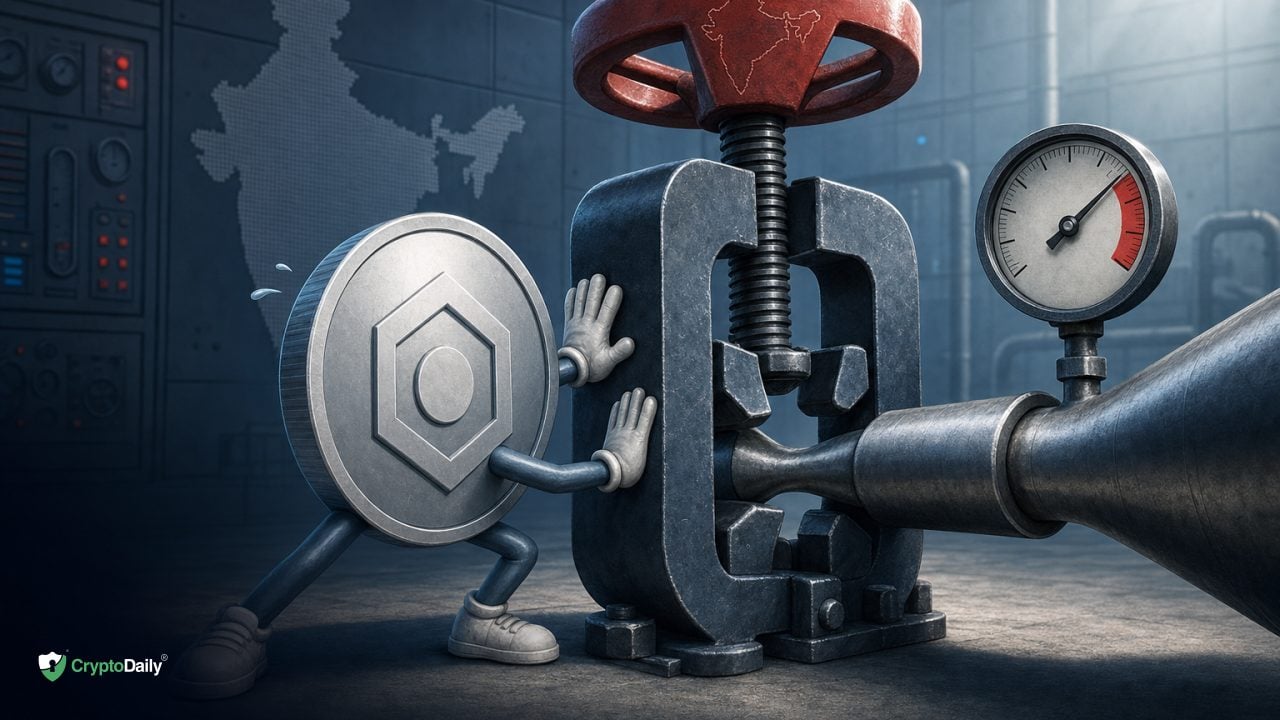
The RBI has again signaled that prohibition is on the table and is pushing to keep banks and regulated institutions away from crypto exposure. That does not outlaw owning crypto outright, but it tightens the pipes that make altcoin access simple. Expect fewer rupee on-ramps, more friction around stablecoins, and selective delistings or service limits as risk teams move first.
- RBI told lawmakers prohibition remains a policy option and banks should avoid crypto exposure Reuters.
- Tax data spotlighted under-reporting and 30% gains tax, increasing scrutiny Reuters.
- USDT in India traded around 8.5% above USD/INR in late June, showing on-ramp stress CryptoSlate.
- ED probes into cross-border crypto transfers add enforcement risk to liquidity Moneycontrol/PTI.
How is RBI pressure actually limiting altcoin access in India right now?
When the central bank reminds everyone that prohibition is still on the menu, risk teams inside banks hear it loud and clear. On July 8, 2026, reporting showed the RBI leaning toward prohibition and recommending that banks and regulated firms avoid holding or getting exposure to crypto and privately issued stablecoins Reuters. For end users, that often translates into interrupted INR deposits, sudden tweaks to card rails, and delayed settlements.
Access is not just about permission, it’s about pipes. If INR rails dry up, local exchanges face a choice. They can eat extra costs, pass them on as wider spreads and fees, or prune their token lists to keep compliance clean. In short, the more pressure on banks, the fewer easy routes for buying that mid-cap alt you’ve been tracking.
The backdrop here is also scale. In early July, officials briefed parliament that roughly 39.3 million KYC-verified users in India hold crypto worth about ₹20,436.59 crore, while still calling virtual digital assets a threat to an emerging economy and keeping prohibition on the table The Economic Times. Big user numbers do not soften a systemic risk view. They harden it.
What does the latest RBI and tax stance mean for exchanges and banks?
Think in layers. First layer, banks and payment partners. If they step back from servicing crypto platforms, fiat ramps wobble. Second layer, exchanges. Even if compliant, they may get forced into conservative mode. That can mean fewer listings, tighter withdrawal policies, and a strong tilt toward blue-chip coins and large-cap stablecoins.
Another pressure point is tax visibility. According to a July 8 report, fewer than a quarter of the 645,000 individuals who made crypto transactions in the financial year ending March 2023 reported them on tax returns, and India’s crypto gains tax sits at 30% Reuters. Under-reporting invites tougher enforcement and more cautious counterparties. Exchanges that keep clean records and strong KYC will push tax reminders harder, but that also nudges some users off regulated rails.
So while nothing here automatically outlaws altcoins, the combination of bank retreat, tax scrutiny, and headline risk can shrink the active menu for average users, at least until policy stabilizes or a new framework lands.
Why do stablecoin premiums jump, and what does an 8.5% USDT premium signal?
Stablecoin premiums are like a fever chart for access. When it gets hard to turn INR into a dollar-pegged coin, the local quote starts to trade above the implied USD/INR rate. In late June, one report showed USDT around INR 102.88 versus on-floor USD/INR near INR 94.65, an implied premium north of 8.5% CryptoSlate.
That gap tells you two things. One, demand for dollar access via stablecoins is still there. Two, friction has risen on the supply side. If banks reduce support to on-ramps, arbitrage slows, and the premium does not get pressed down quickly. Altcoin buyers pay the tax through wider spreads, especially on smaller pairs.
If this persists, you usually see users migrate to P2P and OTC venues where sourcing stablecoins is more manual and often pricier. The broader market effect is thinner order books for long-tail tokens, which can deepen slippage during moves up or down.
Are P2P, DEXs, and offshore exchanges realistic options in 2026?
Short answer, they exist and people use them, but the risk profile is different. P2P desks can be fast and surprisingly efficient during quiet periods, then suddenly expensive when news hits and spreads gap. DEXs give you 24/7 access, but slippage and MEV are real, and bridging stablecoins can add a few moving parts you need to get right.
Offshore centralized exchanges often have the liquidity you want for mid caps. The question is always the same. What happens if funding and withdrawal routes get disrupted for your jurisdiction? KYC tiers, geofencing, and bank policies can change without much notice. The inconvenience is one thing. The operational risk of getting stuck mid-journey is another.
Pro tip: Map your full round-trip before you trade. If you cannot clearly describe how INR becomes a token and returns to INR under stress, you do not have a plan. Screenshots help when policies or UIs change.
How could enforcement actions shape liquidity and listings for altcoins?
Enforcement sets the tone for counterparties. On June 19, 2026, India’s ED said preliminary findings showed alleged unauthorised cross-border crypto transactions above ₹2,500 crore after searches on June 17, with some bank accounts reportedly restrained around ₹6 lakh and about ₹6 crore across accounts Moneycontrol/PTI. That kind of headline pushes compliance teams to reassess relationships and sometimes pull back.
For altcoins, the near-term effect is usually liquidity fragmentation. Local exchanges may tighten listing standards, preferring assets with higher transparency or deeper global markets. P2P traffic shifts toward larger stablecoins. Offshore venues might be fine from a book depth standpoint, but funding them can be the choke point.
The point is not that a specific token is in trouble. It is that the infrastructure around that token gets messier. If your thesis relies on consistent fiat ramps or easy stablecoin swaps, build in a cushion.

What should Indian investors watch in the next six months?
A few signposts matter more than price charts. First, how banks interpret the RBI’s current posture and whether payment partners continue direct support for local exchanges. Second, whether the tax department’s under-reporting concern leads to more visible compliance campaigns or targeted enforcement around reporting lapses Reuters.
Third, watch the stablecoin premium. If the USDT-INR quote stays rich versus USD/INR, that is an access problem in plain sight. If the premium fades, arbitrage flows are healing and rails may be normalizing. Finally, track public statements to parliament and committees. On July 2, the RBI told a Standing Committee that virtual digital assets are a threat to an emerging economy and that prohibition remains a recognized option The Economic Times. That is the policy anchor until something more concrete replaces it.
Which access routes still work, and how do they compare?
Not all roads are equal. Some trade convenience for control, others flip that around. Here is a quick side-by-side to keep the trade-offs straight.
| Access route | Main pros | Main cons | Compliance risk | Altcoin breadth |
|---|---|---|---|---|
| INR deposits on local exchanges | Simple UX, domestic support | Dependent on bank partners, potential delistings | Lower if compliant, can change fast | Moderate, often blue-chip heavy |
| P2P stablecoin desks | Flexible, works when rails wobble | Spread volatility, counterparty risk | Medium, depends on flow patterns | High once on-chain or on CEX |
| Offshore centralized exchanges | Deep liquidity, many pairs | Funding and withdrawal uncertainty | Medium to high if policies shift | High, best mid-cap coverage |
| DEXs with bridges | 24/7, self-custody, no geofence | Slippage, MEV, bridge risks | Protocol risk not policy risk | Very high, but DYOR on liquidity |
| OTC with custodians | Bespoke service, larger tickets | Higher minimums, documentation heavy | Lower if fully compliant | High, depends on desk inventory |
No route is perfect. If anything, a blended approach reduces single-point failure. For example, keep a local on-ramp for small tickets, but plan a P2P or OTC backup for bigger size during stress.
A short operational checklist if you keep exposure
If you are going to stay active, do it with eyes open. The boring prep now saves you from the frantic scramble later.
- Document your round-trip path: INR to stablecoin, stablecoin to target, and back.
- Keep two wallets: one hot, one cold. Test withdrawals with small amounts.
- Monitor USDT-INR quotes vs USD/INR to spot stress early.
- Track exchange notices and bank partner updates weekly.
- Log all trades and P2P receipts. India taxes gains at 30% and under-reporting has drawn scrutiny Reuters.
- Size positions with exit friction in mind. Thin books punish big orders.
Common Mistakes
- Ignoring bank policy drift: Assuming your usual INR deposit method will always work. Fix by setting up an alternate path before you need it.
- Chasing small-cap pumps in thin markets: Slippage and spread can erase edge. Fix by checking depth and recent volumes, or staying with liquid pairs.
- Skipping tax records: Under-reporting has already caught attention. Fix by keeping a ledger of trades, P2P chats, and on-chain hashes.
- Overusing a single exchange: Concentration risk turns service hiccups into portfolio risk. Fix by splitting balances and testing withdrawals.
- Forgetting bridge risk: Moving stablecoins across chains without testing routes. Fix by trialing with small amounts and verifying contract addresses.
If you want steady coverage as this story evolves, Crypto Daily tracks policy and market structure shifts without the hype. Visit Crypto Daily for quick updates and deeper dives.
Frequently Asked Questions
Is crypto banned in India right now?
No. Trading and holding crypto are not banned at the time of writing. What has tightened is the policy stance from the central bank toward prohibition as a recognized option, with a push to keep banks and regulated firms away from direct crypto exposure Reuters.
Will local exchanges delist more altcoins?
They might rationalize listings if bank partners or compliance teams prefer lower-risk assets. Blue chips and large stablecoins tend to stick. Long-tail tokens could see tighter listing standards, especially if liquidity thins or regulatory noise rises.
Why does the RBI’s view matter if many users hold crypto already?
Because access depends on banking and payment rails. Even with nearly 39.3 million KYC users and sizable holdings reported to parliament, the RBI still framed VDAs as a threat and kept prohibition on the table The Economic Times. That shapes how banks behave.
What does an 8.5% USDT premium practically mean for me?
It means you may pay more INR per unit of dollar-pegged stablecoin than the spot FX rate suggests, usually due to on-ramp friction. That adds hidden cost to every altcoin purchase and can widen during stress periods CryptoSlate.
Could enforcement affect my ability to withdraw?
It can. High-profile probes into cross-border flows create caution among banks and platforms, which can translate into stricter checks or temporary freezes. This is why planning multiple withdrawal paths and keeping records matters Moneycontrol/PTI.
Is there any sign of a friendlier framework coming soon?
There is active discussion, but the latest public signals emphasize containment rather than liberalization. Until a new framework appears on record, assume the current restrictive posture guides bank behavior.
What is the safest way to maintain exposure?
There is no risk-free path. Consider smaller sizes, diversified venues, proper custody, and clean records for tax. Always map your round-trip in advance and assume that funding or withdrawal routes can change quickly.
Disclaimer: This article is provided for informational purposes only. It is not offered or intended to be used as legal, tax, investment, financial, or other advice.
Related Stories