USD1 Sports Bonuses: Why UFC Payouts Became a Stablecoin Marketing Stress Test
 Maya Collins
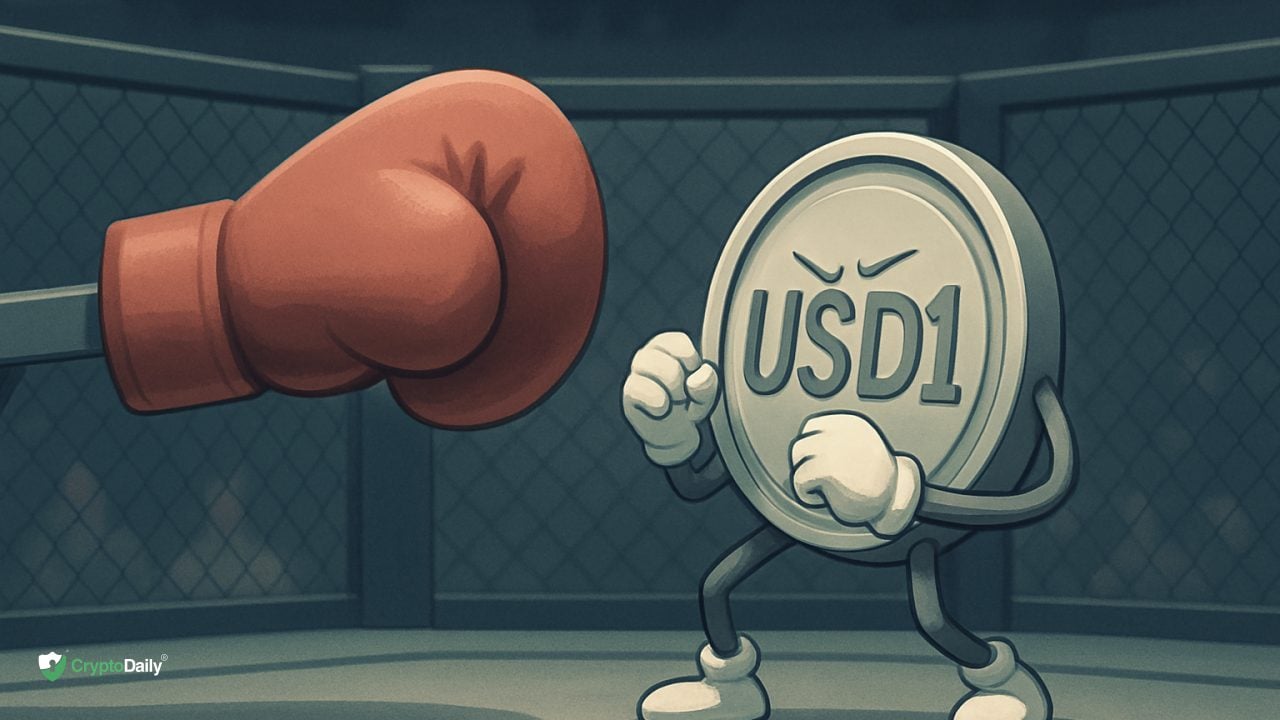
Sports marketers love simple offers: win a bout, pocket a “USD1” bonus that settles fast. In practice, paying athletes and fans in a dollar-pegged token turns a flashy promo into a full-stack stress test of custody, compliance, liquidity, and brand risk.
This piece unpacks how UFC-linked crypto bonuses became a de facto proving ground for stablecoins, and how any team, league, or sponsor can design a payout program that’s engaging, compliant, and resilient under real-world pressure.
If you’re weighing stablecoin-denominated rewards, use this as a checklist to choose the right coin, rail, and operating model—before a depeg, chain stall, or KYC bottleneck turns your headline into a headache.
| Aspect | What to Know |
|---|---|
| Why this matters | Stablecoin payouts promise instant, global “USD1” rewards—but they expose your brand to peg, compliance, and UX risks at once. |
| UFC as test case | UFC’s high-visibility crypto bonus experiments showed how volatility, off-ramps, and wallets can overshadow the marketing moment (UFC). |
| Stablecoin choice | USDC, USDT, and PYUSD each trade off transparency, market reach, and off-ramp coverage (Circle; Tether). |
| Operational reality | Winners need KYC, wallets, and tax docs; brands need custody, chain strategy, and crisis playbooks for depegs and outages. |
| Regulatory overlay | EU MiCA rules increased obligations for stablecoin issuance and distribution in 2024, impacting EU promotions (European Parliament). |
| Critical dependencies | Off-ramp partners, chain uptime, and attestation transparency shape user trust and post-event headlines. |
| Success metrics | Wallet conversion, payout completion time, slippage to fiat, and support ticket volume measure real-world viability. |
“USD1” bonuses are simply rewards promised in a dollar-pegged crypto asset, redeemable to banked fiat. The brand logic is clear: settle cross-border in minutes, tie engagement to a tangible unit of account, and make payouts programmable. The audience logic is trickier: recipients need a wallet, to clear compliance, and to trust that a token equals one dollar when they cash out.
Mechanically, sponsors either custody stablecoins themselves or work with a payout provider. When a fighter or fan wins, the sponsor initiates an on-chain transfer to a verified address, or triggers a code redeemable through a KYC’d portal that handles wallet setup and off-ramps. The experience feels “instant” only if the chain confirms quickly and the off-ramp accepts the specific token and network.
Beyond the transfer, three invisible rails determine whether the campaign works: peg stability (does $1 stay $1?), regulatory compliance (who can legally receive how much, where?), and liquidity (can recipients cheaply convert to cash or keep the asset without unexpected risk?). Recent market events—from USDC’s brief depeg tied to Silicon Valley Bank stress in March 2023 to high-profile network hiccups—have shown that even blue-chip rails need contingency planning (Federal Reserve; Solana Status).
Glossary: the short list that matters
- Stablecoin (USD1) — A cryptoasset designed to track USD value, typically via fiat reserves or on-chain collateral.
- Peg — The intended 1:1 exchange rate with USD; stress can cause temporary deviations (“depegs”).
- On/Off-Ramp — Services that convert between crypto and banked fiat; essential for real-world spendability.
- Custody — How tokens are held and controlled (self-custody, exchange, or a qualified custodian); dictates security and compliance.
- Attestation — Third-party reports on reserves backing a stablecoin; distinct from a full financial audit.
- Gas/Network — The blockchain and fees used to settle transfers; affects speed, cost, and operational risk.
Step-by-Step Playbook
- Define the payout narrative — Decide if your bonus is instant cash-equivalent, fan token-like, or a hybrid; this sets expectations for peg, cash-out, and taxes.
- Choose the stablecoin and chain — Map USDC/USDT/PYUSD against target geographies and off-ramp partners; pick a primary chain and a failover rail.
- Secure compliant custody — Use a regulated exchange, enterprise wallet, or qualified custodian with role-based controls and incident response.
- Pre-clear recipients — Build a KYC/AML workflow before fight night; handle PEP/sanctions screening and collect tax forms where applicable.
- Contract off-ramps early — Confirm that your stablecoin and chain are supported for local bank withdrawals at usable limits and fees.
- Run a dry-run payout — Simulate a live event: send test amounts, measure confirmation times, gas costs, and off-ramp settlement speed end-to-end.
- Draft a depeg/outage plan — Pre-approve fallback coins, chain switches, and fiat wires; prepare public comms for each failure mode.
- Instrument everything — Track wallet creation, KYC pass rates, payout success, cash-out spread, and support tickets to refine or pause the campaign.
What UFC Crypto Bonuses Revealed About USD1 Payouts
UFC’s broader partnership with Crypto.com underscored both the reach and the reputational stakes when a payments experiment unfolds on a prime-time stage (UFC).
As the market matured, marketers increasingly gravitated to stablecoins to reduce headline volatility. That didn’t eliminate risk; it shifted it. Now the narrative depends on whether $1 stays $1, whether the chosen chain stays up, and whether KYC and tax steps are invisible enough to keep the promo joyful rather than bureaucratic.
Two operational truths emerged from UFC-scale experiments: the wallet is part of the brand, and the off-ramp is part of the promise. If recipients struggle with seed phrases, network selection, or unsupported tokens, the prize feels imaginary. If banks won’t accept the payout or fees erode its value, your “instant USD1” headline doesn’t survive contact with reality.
Choosing Your USD1 Rail: Issuers and Trade-offs
Not all stablecoins behave the same during stress, nor do they enjoy the same distribution and off-ramp coverage. The right choice depends on your audience, compliance footprint, and failover plan.
| Stablecoin | Issuer & Posture | Where it shines | Common concerns | Notes |
|---|---|---|---|---|
| USDC | Issued by Circle; heavy compliance focus and monthly reserve attestations (Circle). | Transparent reserves, strong integration with regulated fintechs and enterprise payment flows. | Exposure to U.S. banking rails can transmit banking stress; chain choice impacts fees/uptime. | Used in pilot settlement programs with major payment networks (Visa). |
| USDT | Issued by Tether; broad market presence, monthly attestations via third party (Tether). | Extensive exchange and off-shore coverage; supported on many chains, with low-cost options. | Ongoing debates about transparency and banking relationships; regional restrictions vary. | Popular for cross-border flows; ensure your off-ramp supports your specific chain. |
| PYUSD | Issued by Paxos for PayPal; overseen by NYDFS with regular attestations. | Strong brand recognition with consumer-friendly rails in supported regions. | Fewer chains and exchange pairs than incumbents; off-ramp coverage still maturing. | May fit U.S.-centric activations needing familiar consumer on-ramps. |
Pro tip: Pre-contract two rails (e.g., USDC on a high-throughput chain and USDT on a low-fee chain) and rehearse a same-day switch. Your promo should survive a single point of failure.
Designing for Failure Without Losing the Plot
A good USD1 campaign assumes bad days. Here’s how to keep the brand promise intact if stress hits.
- Depeg scenario — Document triggers (e.g., 0.995) for pausing payouts, switching rails, or offering fiat wires; publish a simple explainer. USDC’s 2023 wobble during SVB turmoil is a useful case study in how off-chain banking shocks can ripple on-chain (Federal Reserve).
- Chain outage — Maintain a hot wallet and reconciled balances on an alternate chain; monitor official status feeds and halt messaging if confirmations stall (Solana Status).
- Off-ramp blackout — If a payout region loses ramp access, auto-offer a stablecoin swap or scheduled wire. Keep regional contingency funds in place.
- Compliance hold — Communicate early if KYC flags delay payment; create a tiered plan (small immediate stipend, remainder post-clearance).
- Narrative risk — If headlines shift to “crypto drama,” pivot to clarity: what happened, what you’re doing, and how winners will be made whole.
Operations That Marketing Can Sell (and Measure)
Stablecoin bonuses succeed when the operations are boring enough for marketing to be exciting. Bridge the teams with shared metrics:
- Time to wallet — From KYC start to a ready-to-receive address; keep this under event-replay length.
- Time to fiat — Measure from on-chain receipt to bank credit; this is the perceived “speed” end users will remember.
- Spread and fees — Track slippage on conversion and fixed fees; publish a typical range in recipient FAQs.
- Support load — Tickets per 100 payouts; categorize by wallet, KYC, or off-ramp to target UX fixes.
- Completion rate — Payouts fully settled within 48–72 hours; an early signal for friction or regional blockers.
A shared dashboard turns “crypto” from novelty into service levels that sponsors can promise on-air and deliver next morning.
Pitfalls & Red Flags
- Unclear coin/chain choice — Announcing “paid in crypto” without specifying token and network invites confusion and support tickets.
- Single off-ramp dependency — One partner’s outage or policy change can stall an entire campaign.
- No depeg playbook — Waiting for a peg event to decide on refunds or swaps risks both funds and reputation.
- Ignoring tax disclosure — Failing to provide tax documentation and guidance can sour winner sentiment and create compliance exposure.
- Wallet UX mismatch — Forcing self-custody on first-timers without a guided flow leads to lost funds and bad press.
- Region-agnostic messaging — Promoting in markets where distribution is restricted under local rules (e.g., post-MiCA) can trigger enforcement and takedowns (EU MiCA).
For ongoing analysis of how Web3 reshapes sports, culture, and payouts, follow coverage at Crypto Daily.
Frequently Asked Questions
Are stablecoin bonuses actually faster than bank wires?
Often yes for the on-chain leg, especially on high-throughput networks. The true bottleneck is off-ramping to local bank accounts and completing KYC; design your flow around that reality.
Which stablecoin should a global sports brand pick first?
Start with the token that your target regions can off-ramp easily and compliantly. USDC, USDT, and PYUSD each have strengths; pair one primary rail with a tested fallback based on your partners and jurisdictions.
What if the stablecoin depegs during an event?
Pause new payouts and execute your pre-written contingency: switch rails, offer fiat alternatives, and communicate clearly. Use objective triggers (e.g., price thresholds) so actions are automatic, not ad hoc.
Do fighters or fans need their own crypto wallets?
Not necessarily. A payout portal can create custodial wallets during KYC and let recipients withdraw on-chain or cash out to fiat. If you allow self-custody, provide a guided setup and test transaction.
How do taxes work on USD1 bonuses?
They’re typically taxable income in the recipient’s jurisdiction. Collect required forms, disclose gross versus net amounts, and allow for withholding where law mandates. Coordinate with local advisors.
Are some blockchains better for payouts than others?
Yes. Consider confirmation speed, fees, uptime history, and your off-ramp compatibility. Maintain an alternate chain option in case of network incidents (official status feeds are useful).
Is this financial advice?
No. This article is analysis and operations guidance. Stablecoins involve market, operational, and regulatory risks; evaluate them with qualified counsel and compliance teams.
Disclaimer: This article is provided for informational purposes only. It is not offered or intended to be used as legal, tax, investment, financial, or other advice.
Related Stories