S&P 500 Peace-Talk Rally Test: Can Falling Oil Offset Higher Treasury Yields?
 Andrei Popescu
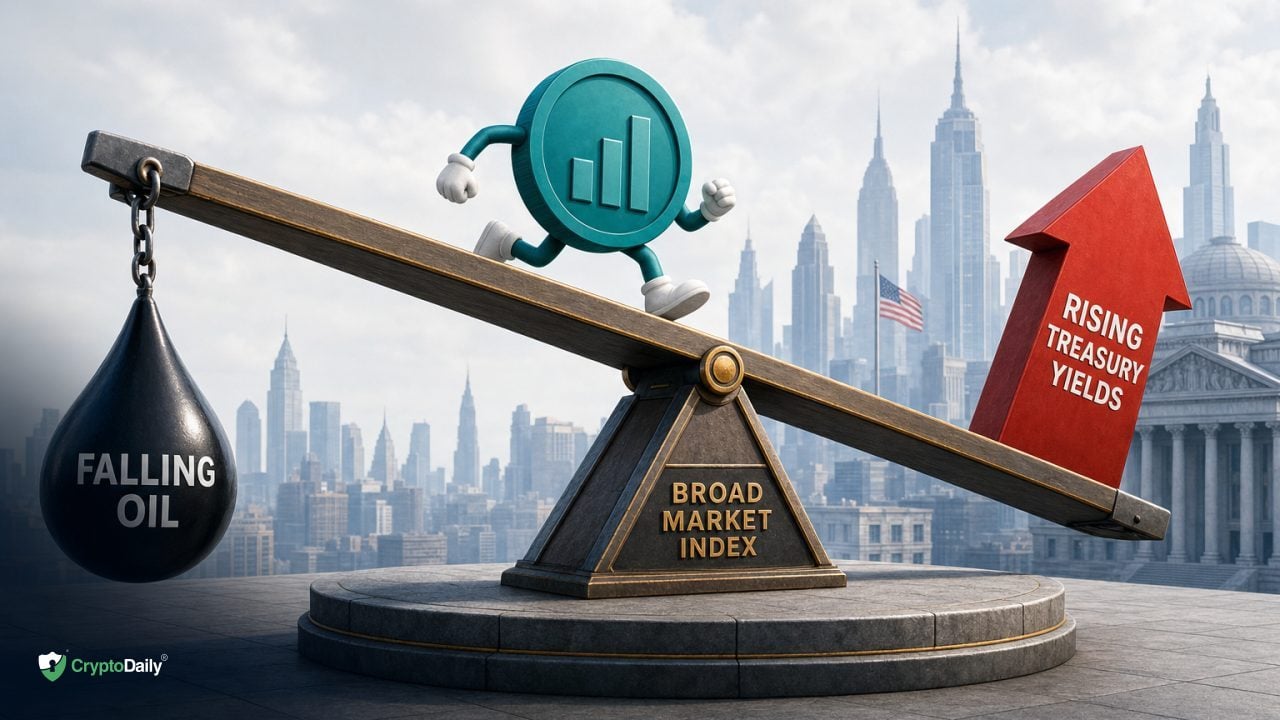
Oil broke lower, stocks ripped, and bond yields eased — briefly. On June 16, markets cheered headlines that tensions could cool and crude supply routes might reopen, sending energy prices sharply down and lifting equities.
Brent fell more than 5% to three‑month lows as talk of an interim U.S.–Iran arrangement and the resumption of transit through the Strait of Hormuz surfaced, while the S&P 500 jumped 1.65% and the 10‑year Treasury yield dipped toward 4.43% intraday (Reuters; Schwab Market Update).
The question now: is this a durable “peace‑talk rally,” or a reflexive bounce that runs into the wall of higher-for-longer rates after the prior week’s hot labor print pushed the 10‑year as high as ~4.57% (Investing.com)?
Equities are trying to thread a narrow path: enjoy margin relief from cheaper energy while not paying too steep a price in valuation from elevated bond yields. The latest move was catalyzed by a swift drop in crude and signs of de‑escalation risk, but the rate backdrop remains a stubborn counterweight.
Falling oil cools inflation expectations and cushions corporate costs; higher yields compress equity multiples and tighten financial conditions. The tug‑of‑war between the two sets the tone for the S&P 500.
Who’s most exposed? Airlines, transports, and consumer cyclicals feel oil immediately; long‑duration tech and growth are most rate‑sensitive; energy producers sit on the other side of the oil move. Financials care less about oil and more about the curve, credit, and activity.
Oil’s Break Lower and the Repricing of Inflation Risk
What changed in the supply picture?
On June 16, Brent crude futures fell $4.21 (5.1%) to $78.96, and WTI slid $4.70 (5.8%) to $76.05 as reports pointed to an interim U.S.–Iran understanding and plans to reopen the Strait of Hormuz — a crucial chokepoint for global oil flows (Reuters).
That supply relief, if sustained, eases headline inflation pressure, pulls down energy components in CPI/PPI with a lag, and can dampen inflation expectations. For equities, cheaper input costs are an immediate salve for fuel‑heavy industries and logistics networks.
How quickly can cheaper crude filter into prices?
- Spot crude shifts wholesale fuel prices within days.
- Refined product pricing and transport surcharges adjust over 1–3 weeks.
- Corporate procurement contracts and hedges re‑set over 1–2 quarters.
- Consumer inflation baskets reflect energy changes with varying lags; headline reacts faster than core.
- Central‑bank reaction functions respond to broader inflation and labor data, not oil alone.
Markets discounted this path rapidly on June 16: the S&P 500 jumped 1.65% to 7,554.29 on the day, while the 10‑year yield eased toward 4.43% amid the “relief trade” and optimism around talks (Schwab Market Update).
Yields Refuse to Blink: The Valuation Math Bites
From jobs data to term premium
Just days earlier, a stronger‑than‑expected May jobs report pushed the 10‑year yield to about 4.57% on June 8, a level that reignited “higher‑for‑longer” fears and tempered risk appetite (Investing.com).
Even if headline inflation softens due to energy, resilient labor and sticky services can keep real yields elevated. That’s critical for equity multiples: when the risk‑free rate climbs, discounted cash flows shrink, and investors demand more earnings per unit of price.
Earnings multiple sensitivity
Consider the rough mechanics. A sustained 25–50 bps move higher in real yields can trim growth‑stock multiples disproportionately, especially in sectors where cash flows are further out. Rate‑sensitive financial conditions (credit spreads, mortgage rates, dollar strength) can also sap cyclicals if they curb demand.
- Rates rise: the discount rate in DCFs increases.
- Valuations compress: price/earnings multiples face gravity.
- Financing tightens: capex and M&A slow, pressuring growth assumptions.
- Dollar often firms: multinationals face FX headwinds.
- Risk premia widen: equities require better earnings quality to justify bids.
On June 16, yields eased intraday. The test is whether that persists or reverses as the macro calendar delivers more labor, inflation, and activity data.
Winners, Losers, and the Middle: Sector Mapping
Lower oil with firm yields implies a nuanced rotation. Energy and materials can lag; transports and discretionary gain operating leverage; tech and communications benefit if yields drift lower, but face a ceiling if they don’t. Financials watch curves and credit more than crude.
| Sector | Oil Down Impact | Higher Yields Impact | Net Read (Oil↓, Yields↔/↑) |
|---|---|---|---|
| Airlines & Transports | Fuel cost relief boosts margins | Financing costs up; demand sensitive | Positive near term; watch credit |
| Consumer Discretionary | More spending power; shipping cheaper | Rates bite big‑ticket items | Mixed to positive if yields steady |
| Technology & Comm Services | Input and logistics relief marginal | Valuation pressure from rates | Depends on yield path; cautious |
| Financials | Minimal direct oil sensitivity | Curve, credit, and loan demand key | Neutral to positive if curve steepens |
| Energy (E&P, Services) | Realized prices fall; hedges help | Higher yields raise WACC | Negative near term |
| Materials & Industrials | Cheaper inputs; freight benefits | Demand and FX are swing factors | Balanced; watch dollar |
Margins vs. multiples
The equation is simple but unforgiving: oil down helps margins; yields up cut multiples. For the index to advance, margin tailwinds must outweigh valuation compression — or yields must back off.
Reading the Tape: What the June 16 Bounce Did—and Didn’t—Say
The June 16 move showed how quickly equities can react to perceived de‑escalation and cheaper energy. The S&P 500’s 1.65% jump, alongside a dip in the 10‑year to ~4.43% that day, underscored the market’s sensitivity to oil and policy risk headlines (Schwab Market Update).
Signals worth tracking next
- Energy curves: Are Brent and WTI term structures easing, or is the drop front‑loaded?
- Breakeven inflation: Do 5y/5y forwards fall alongside crude, confirming disinflationary read‑throughs?
- Real yields: If TIPS‑implied real rates stay high, growth multiples can still compress.
- Credit spreads: A stable CDX/IG and HY backdrop supports cyclicals.
- Breadth and volume: Durable rallies broaden; short‑covering spikes often fade.
Breadth vs. megacap gravity
Relief rallies that broaden beyond megacap growth often stick better. Watch transports, small‑caps, and discretionary leadership for confirmation that oil‑driven margin relief is filtering through. If leadership quickly reverts to a handful of long‑duration tech names while yields push higher again, the rally may be tactical, not durable.

Scenarios for Late June: Three Paths, Three Playbooks
The market now must balance oil’s downside shock with a still‑firm rate structure. Here are three plausible near‑term paths and their likely implications. These are not predictions, but framing tools.
| Scenario | Oil | UST 10‑yr | S&P 500 Tone | Likely Leadership | Key Risks |
|---|---|---|---|---|---|
| Energy relief + easing yields | Stays sub‑$80, contango builds | Edges lower on softer data | Broad advance | Transports, discretionary, quality growth | Data reversal; oil supply surprises |
| Oil rebound + yields higher | Snaps back on geopolitics | Grinds toward recent highs | Risk‑off / defensives | Staples, utilities, cash‑flow compounders | Valuation stress, credit strains |
| Oil low + yields sticky high | Cheap energy persists | Holds ~4.4–4.6% | Rotation, choppy index | Value, financials, select cyclicals | Multiple compression in long‑duration names |
In each case, headline risk around talks and shipping routes can abruptly change the calculus, as the June 16 price action demonstrated.
Crypto and Cross‑Asset Spillovers
While the S&P 500 and crypto do not move in lockstep, periods of easing inflation pressure and calmer policy expectations can lift broader risk appetite. Lower oil sometimes cools headline CPI, potentially giving central banks more flexibility — a backdrop that has, at times, favored digital assets. Conversely, if real yields stay elevated, long‑duration risk (including some crypto segments) can struggle. Correlations are unstable, so treat any cross‑market takeaways as conditional, not deterministic.
Risks & What Could Go Wrong
- Geopolitical setbacks: Peace‑talk progress stalls or reverses; shipping lanes face renewed disruption.
- Oil volatility: OPEC+ policy shifts or unplanned outages squeeze crude higher, erasing margin relief.
- Rates re‑acceleration: Strong labor or sticky services inflation lifts the 10‑year back toward or above recent highs.
- Credit deterioration: Wider spreads and tighter lending standards offset any benefit from cheaper energy.
- Dollar strength: A firmer USD pressures multinational earnings and commodity pricing.
- Positioning risk: Short‑covering rallies fade as systematic and options flows reverse.
- Policy surprises: Central‑bank guidance turns more hawkish despite energy disinflation.
A single session does not invalidate the higher‑rate regime; oil‑led rallies can unwind quickly if yields reassert or headlines turn.
For ongoing macro coverage across digital assets and traditional markets, see Crypto Daily, where we track cross‑asset drivers and their spillovers into Web3.
Frequently Asked Questions
What is a “peace‑talk rally” in equities?
It’s a relief move sparked by headlines suggesting geopolitical de‑escalation or diplomatic progress. In this case, reports around an interim U.S.–Iran understanding and the reopening of the Strait of Hormuz coincided with a sharp drop in oil and a broad equity bounce on June 16 (Reuters; Schwab Market Update).
Can cheaper oil really offset higher Treasury yields for the S&P 500?
Sometimes. Lower oil can lift margins and cool inflation expectations, a plus for cyclicals and consumers. But if the 10‑year remains elevated, valuation compression can cap index upside, especially for long‑duration growth stocks. The net effect depends on how far oil falls and whether real yields also decline.
Which sectors tend to benefit most when oil falls?
Airlines, transports, and parts of consumer discretionary feel immediate cost relief. Industrials and materials benefit via lower input and freight costs. Energy producers, however, typically underperform when crude drops.
Why did yields ease on June 16 after rising the prior week?
Markets reacted to the oil‑led disinflation narrative and peace‑talk optimism, which can reduce inflation risk premia, nudging the 10‑year toward ~4.43% that day (Schwab Market Update). Still, the earlier push to ~4.57% on June 8 after strong jobs data shows the rate backdrop remains a headwind (Investing.com).
How do higher yields pressure stock valuations?
They raise the discount rate used to value future cash flows, compressing price/earnings multiples. They also tighten financial conditions, which can slow growth, raise financing costs, and strengthen the dollar — all of which can weigh on earnings expectations.
Does this macro mix matter for crypto markets?
Yes, indirectly. Lower oil and calmer policy expectations can support risk appetite broadly, which sometimes spills into crypto. But if real yields stay high, long‑duration risk assets, including certain crypto segments, may struggle. Correlations vary over time, so treat any link as conditional.
What would invalidate the rally narrative quickly?
A renewed oil spike from supply disruption, a hawkish policy surprise, or a reacceleration in labor and services inflation that pushes the 10‑year materially higher would likely overwhelm the margin relief story.
Disclaimer: This article is provided for informational purposes only. It is not offered or intended to be used as legal, tax, investment, financial, or other advice.
Related Stories