ETH vs SpaceX Hype: Can Ethereum Compete With the New AI-IPO Risk Trade?
 Maya Collins
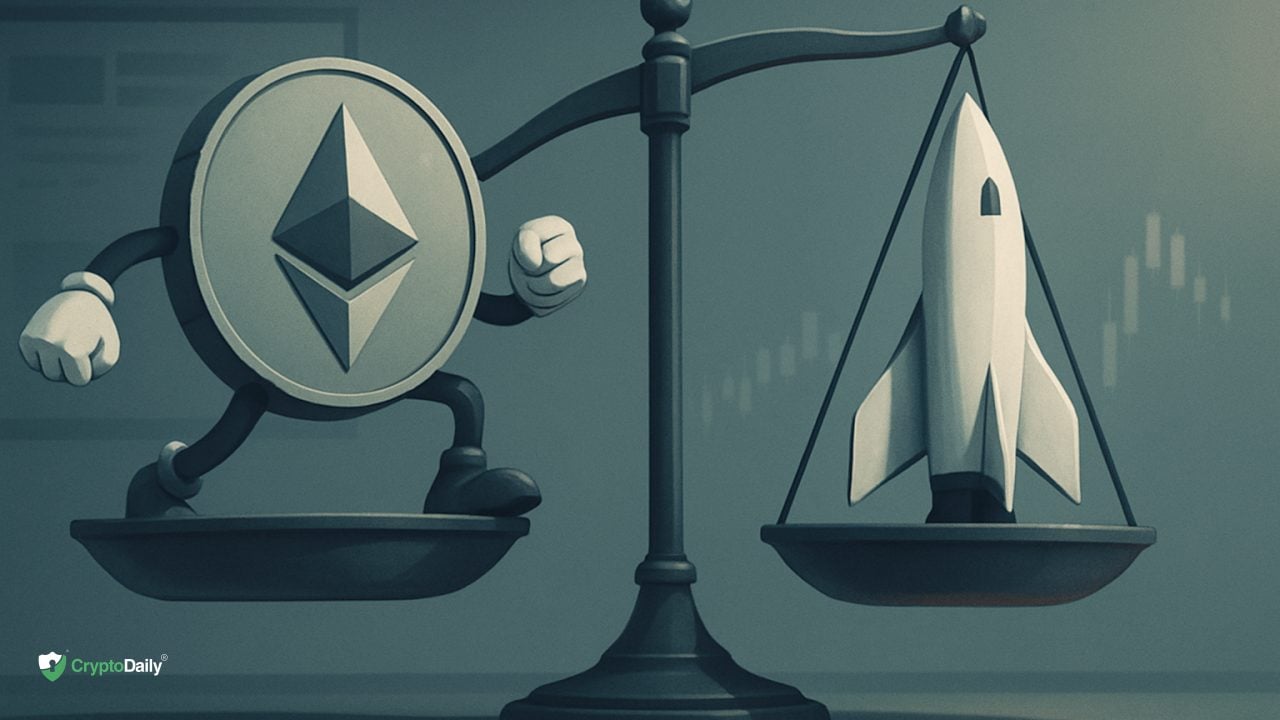
Capital is crowding into the AI-IPO trade, and SpaceX sits at the centre of that narrative. The company filed its S‑1 on May 20, 2026, putting a date on one of the most anticipated listings of the cycle (SEC EDGAR (Space Exploration Technologies Corp. filings)).
With final pricing at $135 per share for 555,555,555 shares and an expected Nasdaq debut as SPCX on June 12, 2026, the deal has become a magnet for growth-risk appetite (SpaceX pricing announcement (press PDF)).
Meanwhile, Ethereum sits in a mixed spot: U.S. spot ETH ETFs just logged a stretch of consecutive net outflows into late May (roughly $216M that week), even as exchange balances hover near multi‑year lows — a supply squeeze in search of demand (MEXC Crypto Pulse (summarizing The Block ETF flow data); Coindoo (citing CryptoQuant exchange-reserve data)).
Can ETH compete with SPCX and the broader AI issuance wave? This piece lays out the regime drivers, compares exposure tools, and offers practical ways to structure risk without chasing headlines.
| Point | Details |
|---|---|
| SpaceX IPO as risk barometer | S‑1 filed May 20, 2026; priced at $135; SPCX debut expected June 12 — a focal point for growth-liquidity and AI sentiment. |
| ETH demand vs supply signals | Spot ETH ETFs saw ~$216M weekly outflows in late May, while exchange ETH balances fell toward 14–16M — conflicting signals on near-term price impact. |
| Portfolio rotation mechanics | IPO allocations, AI mega-cap momentum, and rates expectations can crowd out alt exposure short term; rotation risk rises around headline events. |
| How ETH can compete | Thesis rests on on-chain activity, L2 adoption, and structural supply dynamics; requires patience and selective positioning instead of headline chasing. |
| Actionable monitoring | Track ETF net flows, exchange supply, perp funding/basis, and options skew; compare with IPO lockup and post-listing liquidity patterns. |
What the SpaceX IPO Signals for Risk Appetite
Editor's note: On-chain data kept showing thin exchange inventories, which can turn small demand shocks into outsized moves. My own takeaway from positioning through that stretch: treat IPO debuts and crypto beta as parts of the same risk complex, and let the flows—not the narrative—set your sizing cadence. — Maya Collins
SpaceX’s public listing is more than a single equity event; it’s a real-time test of investors’ willingness to fund ambitious growth stories tied to AI-adjacent infrastructure and software demand. The company publicly filed its Form S‑1 on May 20, 2026 (SEC EDGAR (Space Exploration Technologies Corp. filings)), and disclosed a fixed $135 offering price with trading expected under SPCX from June 12, 2026 (SpaceX pricing announcement (press PDF)).
Why it matters to ETH: when an iconic, AI‑adjacent IPO soaks up attention and allocations, tactical funds often rebalance from peripheral risk into the new issue. That can dent crypto liquidity in the short window around pricing and the first sessions of trading. If SPCX trades strongly, FOMO can extend the rotation.
But equity enthusiasm doesn’t automatically spell doom for crypto. Historically, broad risk-on regimes can lift both tech equities and major crypto assets — provided liquidity conditions remain supportive and correlations don’t spike unfavourably. The timing and tenor of flows are what matter.
Where Ethereum Stands as Flows Rotate to AI and IPOs
Two near-term data points frame ETH’s challenge:
- Spot ETF flows: U.S. Ethereum ETFs recorded a run of consecutive net outflow days into the week ending May 23, 2026 — roughly $216M withdrawn that week (MEXC Crypto Pulse citing The Block’s data).
- On-exchange supply: Centralized-exchange ETH balances were reported near multi‑year lows around mid‑2026, in the ~14–16M ETH range, with ~14.5M cited by CryptoQuant aggregations (Coindoo / CryptoQuant).
That mix implies a market waiting for a catalyst. Thin exchange supply can turbocharge moves when demand returns, but ETF outflows signal institutions were de‑risking or reallocating — potentially toward headline AI and IPO trades.
Beyond flows, Ethereum’s investment case in this environment leans on network utility: rollup adoption, application traction in payments, gaming, creator tools, and real‑world asset pilots. None of these catalyse price on a fixed date the way an IPO does; they accrue over quarters, which can feel slow next to SPCX headlines.
Comparing Exposure: ETH Instruments vs SPCX Shares
Before choosing sides, clarify what you actually own and how it behaves. Use this side‑by‑side to frame expectations.
| Exposure | What you own | Liquidity/Trading | Key risks | Who it suits |
|---|---|---|---|---|
| SPCX (post‑IPO) | Equity in a single company with AI‑adjacent growth story | Market hours; potential initial volatility; lockup overhangs later | Execution, valuation compression, IPO allocation/aftermarket whipsaws | Equity growth seekers, IPO specialists |
| ETH spot | Native asset of Ethereum network | 24/7 trading; exchange and on‑chain venues | Macro beta, crypto‑specific drawdowns, custody/security | Long‑term network believers, flexible traders |
| ETH via ETFs | Fund units backed by ETH or exposure mechanisms | Market hours; brokerage custody; tracking slippage | Premium/discount, flow sensitivity, regulatory shifts | Traditional accounts and mandates |
| ETH derivatives | Futures/options exposure without spot custody | Leverage; funding/basis dynamics | Liquidations, basis swings, counterparty risk | Hedgers and advanced traders |
| ETH staking/lending | Yield on ETH position via protocols or venues | On‑chain operations; lockups/terms vary | Smart‑contract risk, liquidity risk | Yield‑seeking, longer‑horizon holders |
Framing the decision
- Time horizon: IPO trading windows are event‑dense; ETH’s accrual is multi‑quarter.
- Concentration: SPCX is single‑name; ETH is network beta across many apps and L2s.
- Catalysts: SPCX has listing and later lockup dates; ETH relies on flows, on‑chain usage, and roadmap milestones.
Pro tip: If you’re drawn to SPCX for the story, cap position sizing until after the first earnings call. For ETH, avoid leverage creep while ETF flows are negative.
Three Paths: How ETH Could Perform Against the AI‑IPO Wave
1) IPO frenzy, crypto lags (near term)
The SPCX debut trades hot; IPO calendars fatten; rates expectations stay steady. ETF outflows persist; ETH ranges to lower on thin liquidity despite tight exchange supply. In this path, patience matters more than prediction.
2) Shared risk‑on, both rally
SPCX holds gains but doesn’t drain risk from elsewhere. Macro loosens and tech multiples expand; crypto beta catches up; ETF flows stabilize to flat or small inflows. ETH outperforms later as exchange supply pinches.
3) Equity cool‑off, rotation back to crypto
Early SPCX euphoria fades or broader AI equities consolidate. Fast‑money rotates to liquid 24/7 assets. ETF outflows slow, vol resets higher, and ETH’s structural supply helps rebounds. This path rewards waiting lists and staged entries.
Position Sizing and Hedges: A Practical Playbook
For equity‑led accounts
- Anchor a core SPCX position only after spreads normalize; avoid chasing opening prints.
- Pair with a small ETH allocation via ETF for operational simplicity; scale on improving flow data.
- Hedge high beta using index puts or reduced gross exposure around key dates (IPO day, first earnings, lockup expiries).
For crypto‑native traders
- Keep gross leverage modest while ETF flows are negative; use options for convexity rather than perp size.
- Stage bids around liquidity pockets; respect weekend gaps if equity headlines steer sentiment.
- Consider basis/term structure: roll costs can eat returns in slow tapes; watch funding flips.
For long‑horizon allocators
- Barbell the narrative: a measured SPCX stake plus a core ETH position, adding on vol spikes.
- Favor secure custody and documented rebalancing rules over ad‑hoc trades.
- Demand‑signal triggers: sustained ETF inflows, rising stablecoin float, improving on‑chain activity breadth.
Positioning around story stocks or headline tokens is not risk‑free. Treat both ETH and SPCX as cyclical risk assets subject to macro shocks, liquidity air‑pockets, and event risk.

On‑Chain and Flow Signals to Track
1) Exchange balances and staking supply
Multi‑year‑low exchange balances suggest limited near‑term sell‑side depth; watch for inflections. The ~14–16M ETH on exchanges in mid‑2026 — with ~14.5M cited — is a notable constraint if demand returns (Coindoo / CryptoQuant).
2) ETF net flows
Ten consecutive days of net outflows into late May (~$216M for that week) illustrate sensitivity to macro narratives (MEXC Crypto Pulse). A turn back to steady inflows would be a clean green light for larger sizing.
3) Perp funding, basis, and options skew
Extended positive funding with call‑heavy skew after SPCX headlines can indicate overheated crypto risk; conversely, cheap downside hedges often appear just before regime shifts.
4) On‑chain breadth
Track whether activity is concentrated in a few narratives or diffused across payments, gaming, creator tools, and L2 ecosystems. Broadening is healthier and tends to precede more durable uptrends.
Pro tip: Create a simple dashboard: ETF flows, exchange balances, funding/basis, and a 7‑day active address proxy. Update weekly; act only when two or more signals align.
Common Mistakes When Chasing AI and Crypto Narratives
- Buying the open: Early SPCX prints or sudden ETH breakouts can be driven by illiquidity. Let the first wave settle.
- Ignoring flow data: Outflows in ETH ETFs or rapid inventory build on exchanges often precede drawdowns.
- Over‑levering: Derivatives amplify noise; use options for defined risk rather than oversized perps.
- Single‑asset fixation: SPCX is not “the AI market,” and ETH is not “all crypto.” Diversify across narratives and time horizons.
- Custody shortcuts: For crypto, rehearse recovery procedures and counterparty assessments before sizing up.
Stay Current With Measured, Data‑Led Coverage
For level‑headed coverage that separates signal from spin across crypto and adjacent markets, keep an eye on reporting from Crypto Daily at cryptodaily.co.uk. We track ETF flows, on‑chain metrics, and market structure alongside equity events like SPCX.
Frequently Asked Questions
Is the SpaceX IPO bearish for ETH by default?
Not necessarily. It can redirect short‑term liquidity and attention, but shared risk‑on regimes often lift both equities and crypto. The impact depends on ETF flows, macro conditions, and correlation shifts.
What would convince you that ETH is regaining leadership?
A sustained turn to net inflows in spot ETH ETFs, stabilization or decline in perp funding while price advances, and continued low exchange balances would be a strong trio of signals.
Does low exchange supply guarantee an ETH rally?
No. It can amplify upside when demand reappears, but without buyers — e.g., during persistent ETF outflows — price can still drift or fall. Supply tightness is a necessary but not sufficient condition.
How should I size SPCX vs ETH?
Match sizing to your mandate and time horizon. SPCX is a single‑name equity with event risk; ETH is 24/7 network beta. Many investors barbell small SPCX exposure with a core ETH position, adjusting to flow signals.
What near‑term dates matter for these trades?
For SPCX: listing day and the first earnings report are key, with future lockup expiries later. For ETH: watch weekly ETF flow prints and major network roadmap milestones as they arise.
Are ETH ETFs a good replacement for holding ETH directly?
They simplify access in brokerage accounts and avoid self‑custody tasks, but they trade in market hours, may have premiums/discounts, and can respond quickly to flow shifts. Direct ETH offers 24/7 liquidity and on‑chain utility.
What’s the main risk most investors miss?
Correlation spikes. In stress, AI equities and crypto can both sell off together. Plan hedges and position sizes with that possibility in mind.
Disclaimer: This article is provided for informational purposes only. It is not offered or intended to be used as legal, tax, investment, financial, or other advice.
Related Stories