ONDO token holders are given the responsibility of guiding the future of the Ondo DAO, ensuring it remains committed to its goal of making institutional-grade finance accessible to all. The Ondo DAO grants ONDO holders specific privileges related to Flux Finance, which is under its governance.
Ondo (ONDO) acts as a central player in the world of decentralized finance, focusing on making high-quality financial services available to a wider audience. Established in 2022 and based in the Cayman Islands, Ondo creates a unique ecosystem that bridges the gap between traditional finance and blockchain. The Ondo Foundation works closely with its commercial ally, Ondo Finance, to champion decentralized protocols and the digital representation of real-world assets.
The ONDO token, purchased by over 18,000 people in mid-2022, is a crucial component of this ecosystem. It functions as a governance token within the Ondo Finance decentralized autonomous organization (DAO), granting holders particular rights concerning Flux Finance, governed by the Ondo DAO. This setup allows ONDO token holders to have a say in the DAO's direction and policies, keeping the mission to democratize finance at the forefront.
Flux Finance, an essential part of the Ondo ecosystem, benefits from the input and governance of ONDO token holders. This decentralized framework ensures decisions are made openly and in the community's best interests. The Ondo Foundation's dedication to supporting decentralized protocols and tokenized assets further cements its influence as a transformative entity in the financial sector.
What is Ondo?
The technology behind Ondo is a captivating combination of blockchain advancements and financial democratization. Ondo operates on a DeFi platform that utilizes blockchain technology to digitize real-world assets, like real estate or commodities, allowing for easier access and trade. This approach is aimed at providing institutional-grade financial solutions to a diverse audience.
Central to Ondo's technology is its blockchain, which ensures both security and transparency. The blockchain functions as a distributed ledger, where each transaction is recorded across numerous computers (nodes) instead of being kept in a single, centralized spot. This decentralized design makes it highly resistant to tampering or data manipulation. Transactions are encrypted and linked in a chain, making it nearly impossible to alter a single block without changing all subsequent blocks, a task that is computationally unfeasible.
Ondo's blockchain also incorporates consensus mechanisms to verify transactions. A commonly used method is Proof of Stake (PoS), where validators are selected based on the number of tokens they hold and are ready to "stake" as collateral. This is much more energy-efficient than Proof of Work (PoW), which involves solving complex computational problems. By utilizing PoS, Ondo maintains network security while reducing energy use.
The Ondo ecosystem is further supported by strategic partnerships with major financial entities like BlackRock, Morgan Stanley, and Coinbase. These alliances help merge traditional finance with decentralized finance, bringing institutional-grade financial products to a wider public. Ondo Finance, a commercial partner of the Ondo Foundation, plays an essential part in the ecosystem by managing intellectual property and engaging with the community.
Another vital element of Ondo's technology is its governance framework, directed by the Ondo DAO. ONDO token holders have distinct rights within this organization, with specific influence over Flux Finance, a platform governed by the Ondo DAO. This decentralized governance model allows token holders to participate in decision-making, ensuring the platform grows according to the community's needs and interests.
Besides its solid security features and governance system, Ondo is committed to making institutional-grade finance accessible to all. The Ondo Foundation aims to offer high-quality financial products not just to the affluent or well-connected, but to a broad audience. This is achieved through a combination of cutting-edge technology, strategic partnerships, and a community-driven focus.
Ondo’s platform emphasizes transparency and accountability. Every transaction and governance decision is logged on the blockchain, providing an unchangeable and publicly available record. This level of transparency builds trust among users and ensures that all platform actions are open to scrutiny.
By turning real-world assets into digital ones, Ondo creates new investment opportunities and promotes financial inclusion. For instance, an individual who cannot afford a full property can purchase a fraction of it through tokenization, lowering the entry barrier and enabling wider participation in high-value investments.
The governance model of the Ondo DAO also includes processes for suggesting and voting on platform changes. This democratic approach ensures the community has a voice in the platform's development and future path. ONDO token holders can put forward proposals, vote on them, and allocate funds for specific projects, making the governance process transparent and inclusive.
In summary, the technology powering Ondo is a comprehensive mix of blockchain security, decentralized governance, and strategic partnerships, aimed at making institutional-grade finance widely accessible.
What are the real-world applications of Ondo?
Ondo (ONDO) functions as a key element in the Ondo DAO, a decentralized body set on making institutional-grade finance accessible to all. ONDO token holders enjoy particular governance privileges, especially concerning Flux Finance, which is managed by the Ondo DAO. This governance structure enables ONDO holders to influence decision-making and guide the platform's future.
One practical application of Ondo is in forming strategic partnerships and fostering engagement. The Ondo Foundation actively collaborates with various organizations to drive innovation and encourage the adoption of blockchain technologies. Such partnerships can lead to the creation of new financial products and services that benefit a wide audience.
Ondo is also used in managing intellectual property. By leveraging blockchain, the platform ensures intellectual property rights are securely managed and transparently recorded, which is especially useful for creators and businesses aiming to safeguard their assets.
Community events and engagement are another focus for Ondo. The Ondo Foundation hosts events and initiatives to educate and involve the community, raising awareness about blockchain technology and its potential benefits. These activities help build a knowledgeable community that contributes to the ecosystem's growth.
Ondo also provides technology and business development services, offering resources to startups and businesses seeking to adopt blockchain solutions. This includes treasury management, contract deployment, and web application management, helping businesses optimize operations and enhance security.
Kraken Wallet offers users a suite of features for managing ONDO assets, such as self-custody, security, multi-chain access, and DeFi capabilities. This allows users to securely store and handle their ONDO tokens while accessing DeFi applications across various blockchain networks.
Additionally, the Ondo Foundation prioritizes education and awareness around blockchain technology. By offering educational resources and organizing workshops, it seeks to increase understanding and adoption of blockchain solutions among individuals and businesses.
What key events have there been for Ondo?
Ondo, marked by the ticker ONDO, has achieved notable milestones in the blockchain and cryptocurrency arena. The Ondo Foundation has been instrumental in spearheading innovation, raising awareness, and managing its treasury and contracts. The foundation is dedicated to democratizing access to institutional-grade finance, a vision that has shaped its significant events and achievements.
The launch of the Ondo DAO in mid-2022 was a monumental event in decentralizing governance and empowering ONDO token holders. This decentralized autonomous organization (DAO) allows token holders to steer the future of the Ondo ecosystem, particularly with Flux Finance under its remit. The introduction of the DAO was marked by the sale of ONDO tokens, securing resources to uphold the foundation’s objectives.
A collaborative approach is fundamental to the Ondo Foundation's ecosystem, involving numerous partners and contributors aligned with its mission. One significant player in this network is Ondo USDY LLC, which issues USDY—a stablecoin crucial to the foundation's financial system. The foundation holds a majority interest in Ondo USDY LLC, ensuring substantial control over this key asset.
Education and awareness have been a key focus for the Ondo Foundation. By fostering innovation and providing learning resources, the foundation aims to enhance understanding of blockchain technology and its potential applications, enabling individuals and organizations to engage effectively in decentralized finance (DeFi).
The foundation has made noteworthy advances in contract deployment and web application management. Efficient contract deployment ensures the security and operational integrity of the Ondo ecosystem, while strong web application management improves user experience and accessibility. These technical enhancements are essential to the foundation's objective of offering institutional-grade financial services to a larger audience.
The foundation's adept treasury management also stands out. By judiciously managing financial resources, the foundation sustains its operations and supports future ventures. This prudent financial management is crucial for the enduring success and stability of the Ondo ecosystem.
As of now, these key events and initiatives underscore the Ondo Foundation’s dedication to innovation, education, and financial democratization. The foundation's strategic emphasis on governance, partnerships, and technical excellence continues to propel its mission.
Who are the founders of Ondo?
Ondo (ONDO) is driven by a mission to broaden access to institutional-grade finance. Among its founders is Nathan Allman, along with his team, who bring extensive experience from their previous roles at Goldman Sachs' digital assets team. Nathan Allman, with a strong background in engineering and operations, plays a key role in guiding the vision and execution of the project. The Ondo DAO empowers ONDO token holders with governance rights, particularly over Flux Finance, ensuring the community is actively involved in shaping the platform's future.
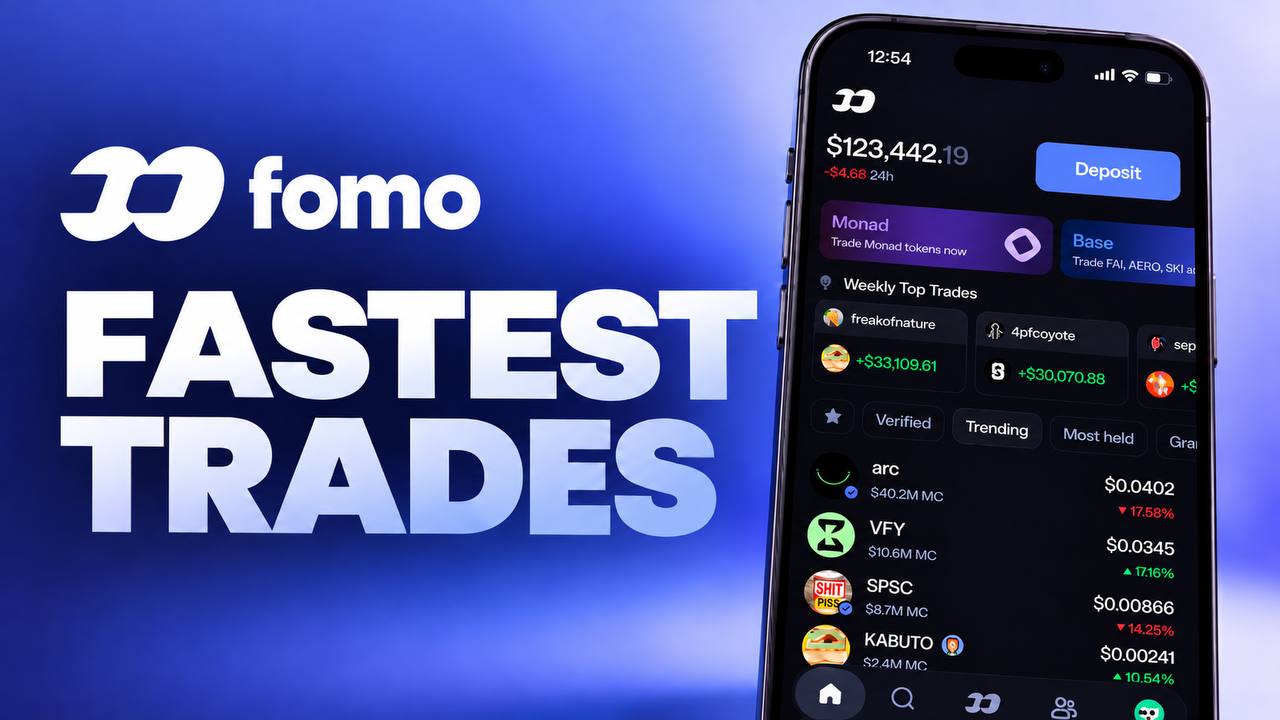
fomo Just Launched the Fastest Cross-Chain Swaps on the Market
fomo has begun the public rollout of fomo bridge, its own in-house bridge, and says cross-chain swaps on the app now land in under one second.
The bridge went live for….
cryptodaily.co.uk/2026/10/fomo-j…
JUST IN: @fomo introduces one of the fastest cross-chain swaps on the market, with transactions now completing in under 1 second.
A week ago, FOMO rolled out its own internal bridge to a small percentage of users.
The public rollout of the FOMO Bridge begins now. https://t.co/0UVRHGVXWs
S&P 500 Futures Today: $110 Oil and Netflix Earnings Put AI Rebound to the Test
S&P 500 futures edged up less than 0.1% to 7,735.25 as Brent crude reached $110.75 a barrel and Netflix prepared to report Q3 results.
cryptodaily.co.uk/2026/10/sp-500…
Turkey Confirms Richard Heart Detention and Seizure of Cash, Cold Wallets and Firearms
Turkey confirmed Richard Heart’s Istanbul detention under an Interpol Red Notice, reporting $7.15 million, six cold wallets and weapons seized.
cryptodaily.co.uk/2026/10/turkey…
Circle Targets Expansion Into 40 Emerging Markets as USDC Demand Broadens
Circle is targeting about 40 emerging markets as its Tazapay deal and renewed Binance agreement broaden $USDC distribution routes.
cryptodaily.co.uk/2026/10/circle…
Bitcoin Back in Bullish Structure, but Overbought Conditions and Firm Resistance Weigh on Price
The bulls have managed to avoid a Bitcoin breakdown out of a rising channel pattern with a 4.2% rally. However, now that the $BTC price is back inside the rising channel can it stay
Nine US Companies Object to Tokenized Share Trading on OKXICE
Nine issuers, including Broadcom and Verizon, objected to OKXICE tokenized-share trading under the SEC’s temporary venue-specific framework.
cryptodaily.co.uk/2026/10/nine-i…
World Launches Bank-Focused World ID Suite and Makes Zoom Deepfake Checks Generally Available
World unveiled a banking and finance identity suite at Money20/20, while World ID for Zoom became globally available to enterprise customers.
cryptodaily.co.uk/2026/10/world-…
Marqeta and Coinbase Partner on Stablecoin-Backed Cards With Base Settlement
Marqeta and Coinbase will combine custody, fiat conversion, Base settlement and card issuing for enterprise stablecoin-backed card programs.
cryptodaily.co.uk/2026/10/marqet…
Crypto.com and Novig Sue Missouri Over Sports Event-Contract Enforcement
Crypto.com-linked North American Derivatives Exchange and Novig filed separate federal cases challenging Missouri sports-contract enforcement.
cryptodaily.co.uk/2026/10/crypto…
Cysic Suspends Bridge After Unauthorized CYS Mint Lets Attacker Move $727K to Ethereum
Cysic suspended its cross-chain bridge after 10 million unauthorized CYS were minted and about $727,000 in $ETH reached Ethereum.
cryptodaily.co.uk/2026/10/cysic-…
Venice Token VVV Rebounds Above $24 After a Volatile Week — What Comes Next?
Venice Token $VVV traded near $24.86 after a 10.83% daily rise. Key support at $23.3712 and resistance at $25.6408 now shape the outlook.
cryptodaily.co.uk/2026/10/venice…
Bitcoin holds on: Breakdown not confirmed - Is the rally back on?
Despite the sell-off in the AI and precious metals sectors due to poor U.S. inflation data, Bitcoin came back from the brink on Thursday, having broken down below its ascending channel. The bulls rallied back
LayerZero Reclaims $2: The ZRO Technical Setup Behind a Possible $2.30 Retest
LayerZero’s $ZRO trades near $2.10 with bullish RSI readings, but resistance at $2.1538 and an October 20 token unlock shape its $2.30 outlook.
cryptodaily.co.uk/2026/10/layerz…
Federated Hermes Partners With Prometheum to Issue Tokenized Securities Funds
Federated Hermes and Prometheum plan tokenized securities funds for brokerage accounts, with the first product expected in Q1 2027.
cryptodaily.co.uk/2026/10/federa…
Coinbase Publishes Its Case for a Phased Bitcoin Post-Quantum Migration
Coinbase says Bitcoin’s post-quantum transition could take seven years, putting governance over exposed and abandoned $BTC at the centre of planning.
cryptodaily.co.uk/2026/10/coinba…
Strive Adds 3,311 Bitcoin as Its Treasury Reaches 32,773 BTC
Strive bought 3,311 $BTC for about $280 million between October 5 and 9, raising its treasury to 32,773 BTC as cash reached $310.3 million.
cryptodaily.co.uk/2026/10/strive…
UK High Court Says Chinese Law Governs Claims to 61,000 Seized Bitcoin
UK High Court ruled Chinese law governs property claims over more than 61,000 seized bitcoin, leaving ownership and distribution unresolved.
cryptodaily.co.uk/2026/10/uk-hig…