From Martinique to the Canary Islands: Nexo Card Follows Crypto Holders on Holiday
 CryptoDaily
Crypto holders like to travel, and now their card can follow them to the beach.
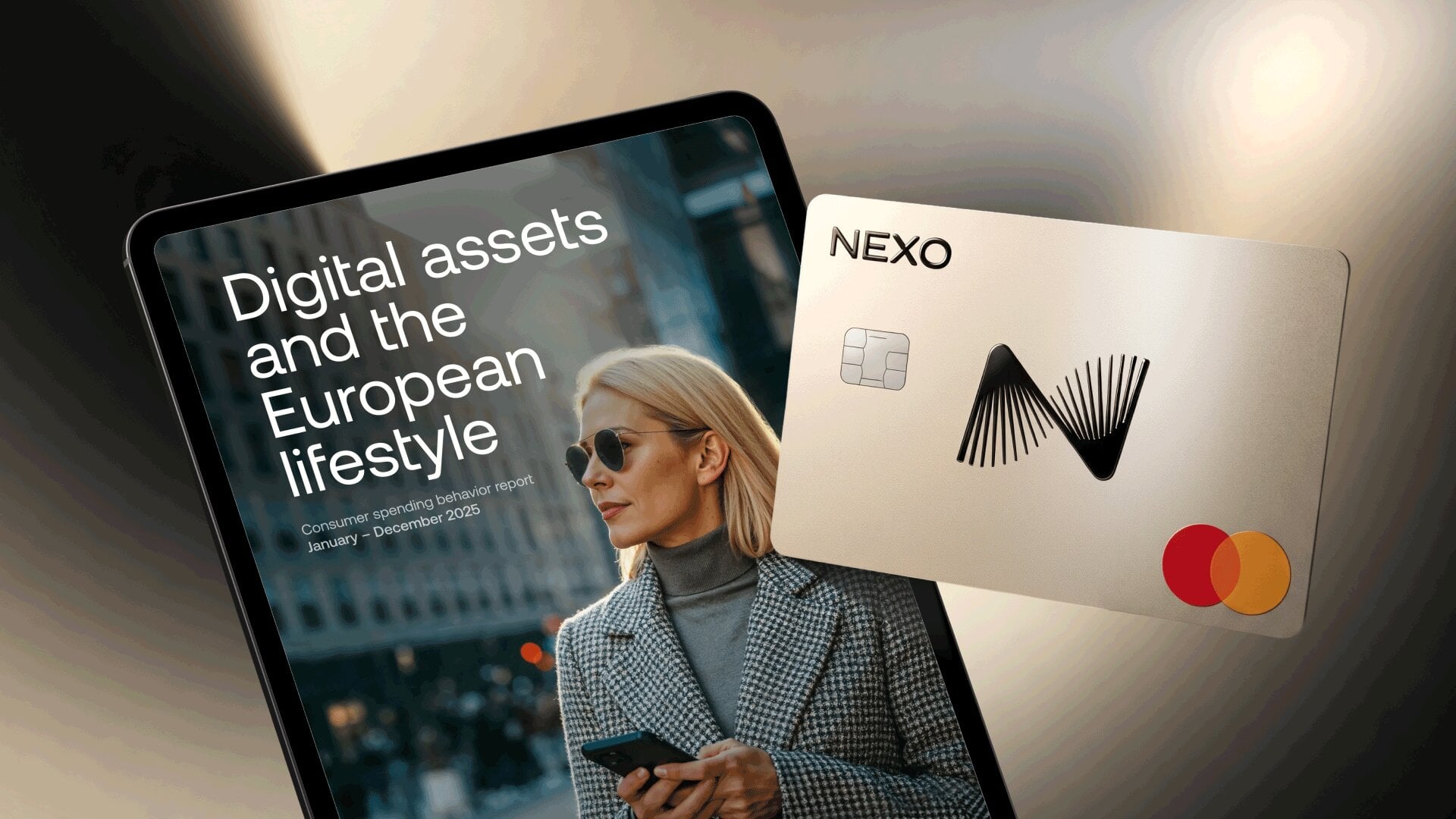
Nexo has expanded its Nexo Card to a string of overseas territories and autonomous regions across France, Spain and Finland. The move coincides with the release of its report Digital assets and the European lifestyle, which finds that travel is one of the biggest and fastest-growing ways European cardholders spend their digital asset wealth.
The new destinations
The card is now available in:
-
France: Réunion, Martinique, Guadeloupe, French Guiana, Mayotte and Saint-Martin
-
Spain: the Canary Islands, Ceuta and Melilla
-
Finland: the Åland Islands
Many of these are among the extended European region's most popular holiday spots, from the year-round sun of the Canaries to the Caribbean beaches of the French Antilles.
"This expansion brings the Nexo Card directly to popular travel destinations across the extended European region," said Yasen Yankov, Head of Product Management at Nexo.
Why travel matters
The timing is backed by the numbers. According to the report, travel was the second-largest spending category on the Nexo Card in 2025, accounting for 15.9% of volume. Travel spending also grew 22% compared with 2024.
More broadly, nearly a third of all spending on the card went on travel, eating out and leisure. Restaurants took 88.5% of food and drink spending, a sign that cardholders are paying for experiences as much as for goods.
Europe is a natural market for this. The region captured about $2 trillion of the $6.15 trillion spent on leisure travel worldwide in 2025, roughly one third of the global total, according to the World Travel & Tourism Council.
Bigger tickets, different funding
Nexo cardholders in Europe spent about €80 per transaction in 2025, around twice the euro-area card average of about €38 reported by the European Central Bank.
What sets that spending apart is how it is paid for. In credit mode, clients borrow against holdings such as Bitcoin and Ether rather than selling them. In debit mode, crypto is converted at the point of sale, with stablecoins making up 72.7% of that direct crypto spending.
For a traveller, that means a hotel, a dinner or a boat trip can be paid for without first cashing out of digital assets.
A wider shift
The expansion arrives as crypto ownership keeps climbing in Europe. In early 2026, about one in five respondents in the Netherlands and one in six in Germany said they owned crypto assets, according to the Adan and Ipsos 2026 Barometer. In France, 53% of holders had already paid for something with crypto, most often by card.
"We see digital asset wealth, made spendable by tools like the Nexo Card, becoming a new driver of consumption," Yankov said.
Nexo describes the Nexo Card, which runs on the Mastercard network, as the first crypto card to combine credit and debit functions.
Read the full report: Digital assets and the European lifestyle.
Disclaimer: This article is provided for informational purposes only. It is not offered or intended to be used as legal, tax, investment, financial, or other advice.
Related Stories