SEC Crypto Rules Tighten Focus on Custody and Tokenized Securities
 Sophia Bennett
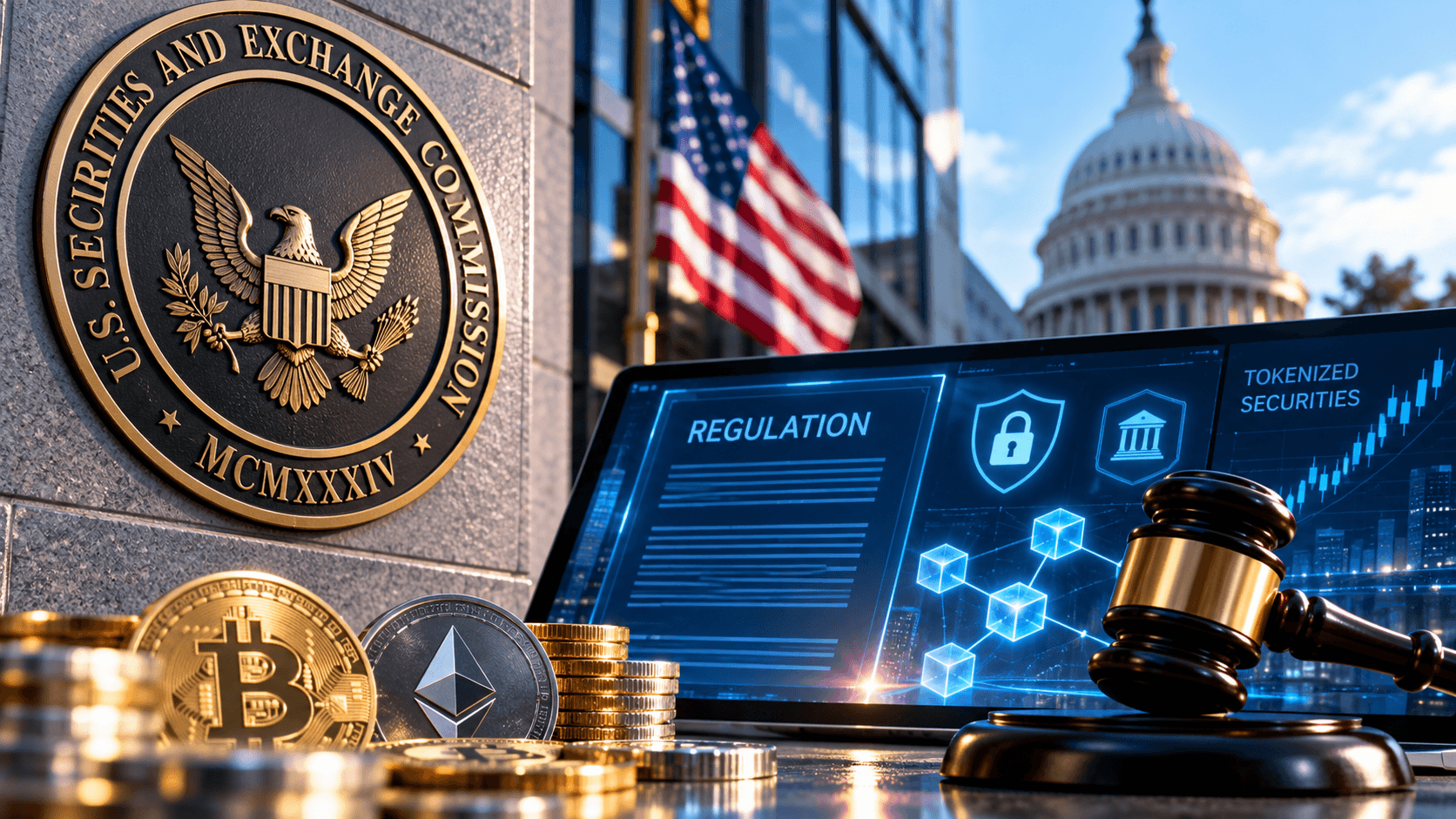
US crypto regulation is moving into a new phase as the Securities and Exchange Commission turns its attention to custody, tokenized securities and clearer rules for digital-asset issuers.
The SEC has proposed new requirements governing how investment advisers and regulated funds hold crypto assets, while also naming tokenized securities as a major examination priority for fiscal 2027.
The changes suggest that US regulators are moving away from broad uncertainty around crypto and toward detailed rules covering how digital assets operate inside traditional financial markets.
SEC Proposes New Crypto Custody Rules
The SEC proposed new Crypto Custody Rules earlier this month.
The proposal would establish requirements for registered investment advisers holding client crypto funds and securities, while also addressing how regulated investment companies custody crypto-related assets.
It would additionally update reporting and recordkeeping requirements.
Public comments are open until December 7, 2026.
Custody has become increasingly important as banks, asset managers and investment firms expand their exposure to digital assets.
The central regulatory question is no longer simply whether institutions can own crypto, but how those assets must be protected, recorded and controlled.
Tokenized Securities Become a Regulatory Priority
Tokenization is another major focus.
On October 23, the SEC said tokenized securities will be among the areas examined when regulators review Wall Street firms during fiscal 2027.
The regulator will assess risks created by changing market structures as stocks and other traditional securities move onto blockchain infrastructure.
Artificial intelligence and private assets will also receive increased scrutiny.
The timing is significant because tokenized equities are moving rapidly from experimental projects toward regulated trading products.
SEC Has Already Opened a Path for Onchain Stocks
In September, the SEC introduced an Innovation Exemption allowing certain Tokenized Securities Venues to facilitate blockchain-based trading of stocks under temporary regulatory relief.
SEC Chair Paul Atkins described the measure as a bridge toward longer-term rules for bringing US capital markets onchain.
The exemption has already attracted interest from major trading companies.
However, tokenization is also meeting resistance.
At least 22 companies have objected to having their shares tokenized through a planned platform backed by OKX and Intercontinental Exchange, according to regulatory documents reported by Reuters.
That tension shows why clearer regulation is becoming increasingly important.
Regulation Crypto Assets Could Change Token Issuance
The SEC is also considering a broader proposal called Regulation Crypto Assets.
The framework would create two new exemptions for certain crypto-related investment-contract offerings.
One would allow offerings of up to $5 million over four years.
A second would permit offerings of up to $75 million during a 12-month period, subject to additional disclosure and reporting requirements.
The proposal also includes a conditional safe harbor that could allow qualifying crypto assets to fall outside the definition of an investment contract.
That could provide digital-asset issuers with a clearer route for raising capital in the US rather than structuring projects offshore.
The SEC Is Defining Which Crypto Assets Are Securities
Earlier this year, the SEC issued formal guidance clarifying how federal securities laws apply to crypto assets.
The agency explained that a crypto asset may not itself be a security, but its sale can still fall under securities law if it is offered through an investment contract.
The SEC continues to use principles derived from the Howey test, including whether investors expect profits based on the managerial efforts of others.
This distinction is important for exchanges, token issuers and investors because regulatory treatment can depend on how an asset is marketed and sold rather than only on the technology behind it.
What Crypto Companies Should Watch Next
Three regulatory developments now matter most:
Custody rules: Asset managers and advisers may face clearer requirements for safeguarding client crypto.
Tokenized securities: The SEC is allowing experimentation while increasing oversight of onchain stocks.
Crypto issuance: Regulation Crypto Assets could establish new legal pathways for projects raising capital in the US.
Together, these measures indicate that the US crypto debate is shifting.
The question is increasingly not whether digital assets will be regulated, but what the permanent rules will look like as crypto becomes integrated with traditional finance.
Disclaimer: This article is provided for informational purposes only. It is not offered or intended to be used as legal, tax, investment, financial, or other advice.
Related Stories