UK online casino players still trust e-wallets more than crypto for deposits
 Maya Collins
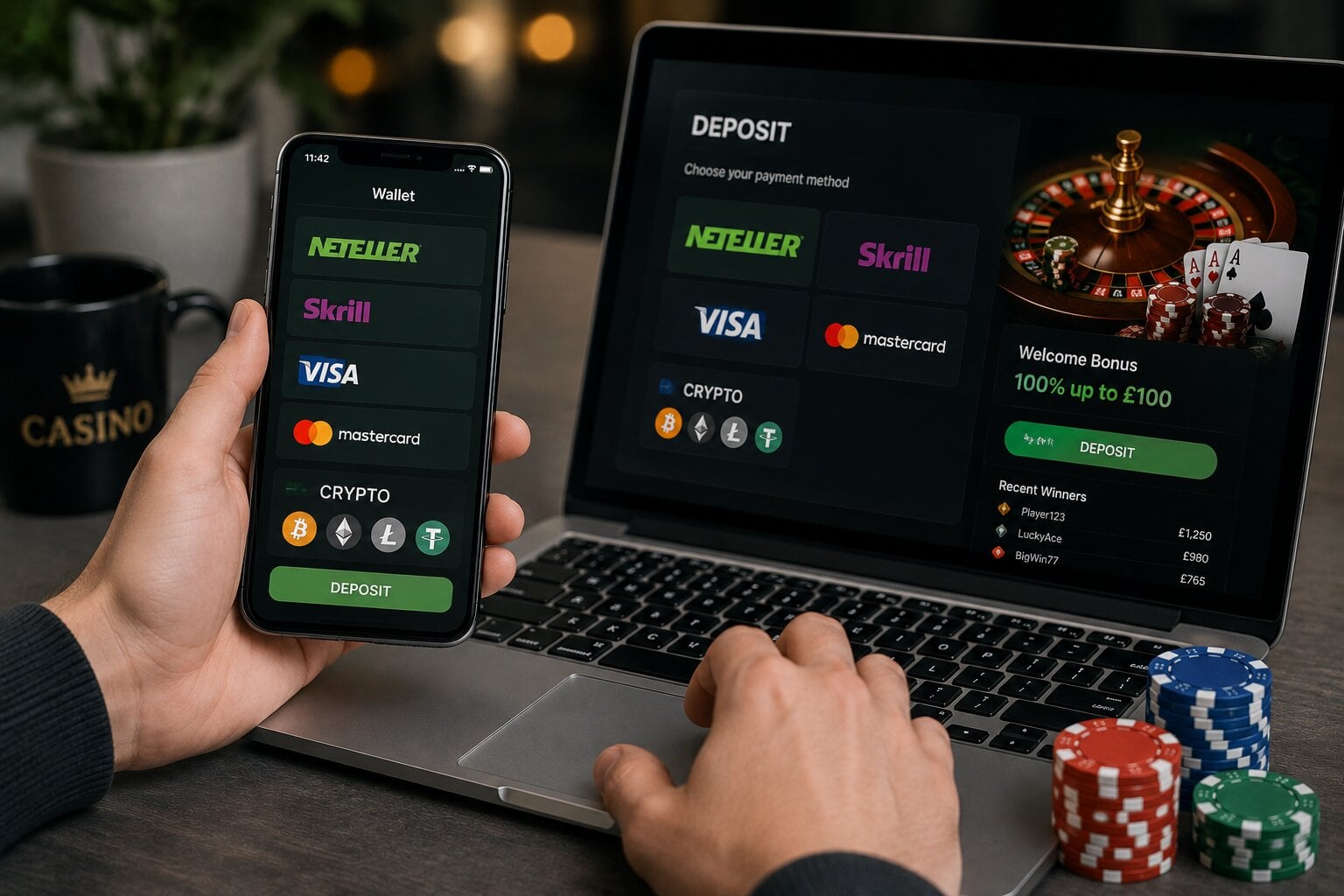
Crypto casinos get most of the attention in payments coverage right now, and it's easy to see why: instant settlement, no card intermediary, funds that move the same whether it's 2pm or 2am. Coverage of this space tends to treat that shift as settled, as if every operator were racing to add a coin selector next to the deposit button.
Look at where deposits actually flow inside UK-licensed online casinos, though, and a less exciting picture shows up. The money is still running, overwhelmingly, through e-wallets, services that predate most of the coins now competing with them. Neteller is the clearest example. It's been processing casino deposits since before "crypto casino" was a phrase anyone used, and newer payment rails haven't pushed it aside.
Comparison pages tracking the top Neteller casinos in the UK still list dozens of UKGC-licensed operators offering it as a primary deposit method, frequently ahead of debit cards on the checkout page.
Why e-wallets never lost ground
Part of the answer is mundane: e-wallets solved the practical problems first. A Neteller or Skrill deposit clears in seconds, doesn't expose card details to the operator, and comes with a prepaid card that lets players spend winnings directly instead of waiting on a bank transfer. None of that required players to understand a blockchain or manage a seed phrase.
Withdrawal speed matters just as much as deposit speed. Card withdrawals from casinos can still take days to clear through the banking system. E-wallet withdrawals typically land same-day. For an audience that already juggles multiple crypto wallets across multiple chains, that difference is hard to ignore.
There's also a simpler behavioural reason: most UK casino players already had an e-wallet account for something else (online shopping, freelance payments, sending money abroad) long before they had any reason to open one specifically for gambling. Crypto wallets are still, for most people, opened with a specific asset or trade in mind. Whichever one was already sitting on someone's phone tends to be the one they reach for at checkout.
The regulatory line crypto still can't cross
The bigger reason is regulatory friction, and it cuts one way. Neteller and Skrill are both issued by Paysafe, an e-money institution authorised by the UK's Financial Conduct Authority. That status lets casinos treat e-wallet deposits as a known, auditable funding source.
Crypto doesn't get the same treatment. The Gambling Commission's own guidance on digital and virtual currencies flags the anonymity of crypto funding and its price volatility as specific money-laundering risk factors, and operators are expected to run extra source-of-funds checks whenever a deposit traces back to cryptoasset trading. That scrutiny sits inside a licensing framework that also requires strict age verification: casinos have to confirm a customer is over 18 before any deposit method, crypto or otherwise, is even offered.
None of that makes crypto deposits illegal on a licensed UK site. It just means an operator accepting them takes on more compliance work than one running the same deposit through an already-regulated e-wallet. Given the choice, most UK operators default to the option regulators already understand.
Crypto's actual foothold: where it does fit
That doesn't mean the two stay in separate lanes. Neteller itself now lets customers buy, hold, and sell cryptocurrency inside the same account used for casino deposits, and its operator, Paysafe Financial Services Limited, is registered with the FCA as a crypto asset firm specifically to meet UK anti-money laundering rules for that side of the business. The wallet doing the depositing and the wallet holding the coins are increasingly the same app, just regulated under two different regimes at once.
For anyone building out that side of things from scratch, it's worth understanding the difference between wallet types before picking one. Our own guide to choosing the right kind of crypto wallet covers hot, cold and custodial setups in more detail.
What this means for UK players choosing a payment method
None of this is a verdict on which technology is "better." It comes down to where the compliance burden currently sits. E-wallets got there first, built the FCA relationship, and now sit inside a licensing environment shaped around them. Crypto is still working through the same process everything else in UK financial services eventually goes through: proving, to a regulator's satisfaction, where the money came from.
Until that changes, the practical advice for UK players hasn't moved much. E-wallets remain the deposit method with the fewest checks, the fastest withdrawals, and the least friction at checkout. That's a lower bar than "innovative," but it's the one that decides what actually gets used.
Whichever method ends up cheapest or fastest for an individual player, the underlying rules don't change. UK gambling is restricted to over-18s, operators have to run affordability and identity checks regardless of how a deposit is funded, and BeGambleAware is there for anyone whose play is becoming a problem. Payment rails will keep evolving. That baseline won't.
Disclaimer: This article is provided for informational purposes only. It is not offered or intended to be used as legal, tax, investment, financial, or other advice.
Related Stories