HDD vs NAND Flash: Why AI Data Centres Need Both
 Maya Sinclair
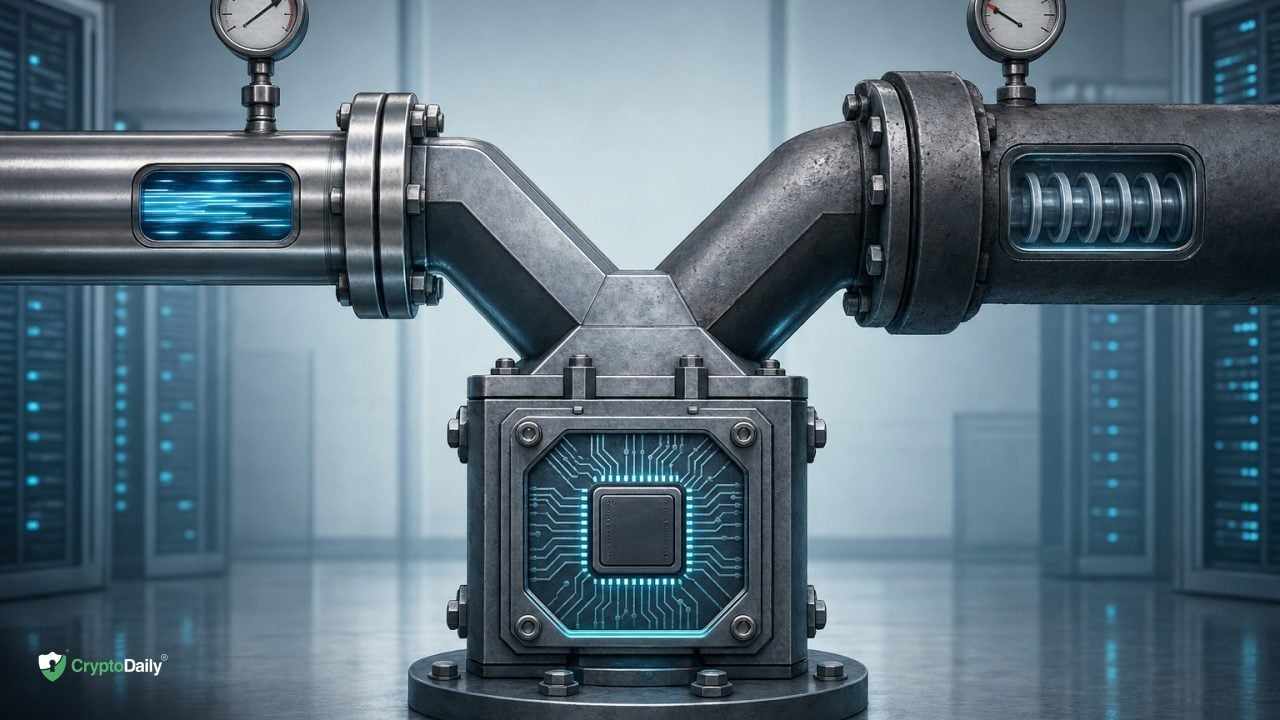
AI data centres need both hard disk drives and NAND flash because they solve different problems. Flash supplies the low latency and high IOPS required to feed accelerators with model weights, key value caches and vector indexes. HDDs supply the cheapest, most sustainable capacity per terabyte for the massive training corpora and long lived outputs that keep growing as models run. Vendors describe this as a tiered design where flash deepens the stack rather than replacing capacity disks.
On cost and sustainability, HDDs still anchor the capacity tier. Seagate reports an approximate 6× acquisition cost per terabyte advantage for HDDs over NAND based SSDs and highlights much lower energy and embodied carbon per TB, which matters at hyperscale. On performance and endurance mechanics, flash stores charge in semiconductor cells and delivers very low latency with high random IOPS, but it wears with use and therefore needs controllers, ECC, wear leveling and over provisioning to manage lifetime, as explained by Micron.
Put together, the pattern is consistent across operator guidance: small, latency critical data lives on flash close to compute, while the much larger bulk tier sits on HDD backed object or file storage. Western Digital describes this split for AI pipelines, and both NVIDIA DGX best practices and Google Cloud architecture recommend staging and caching on SSDs while keeping datasets and archives on HDD based systems.
How a two tier AI storage stack works
A multi tier design aligns storage media to data temperature. Flash sits next to GPUs or on high performance network fabrics to serve hot, latency sensitive items such as model weights, KV caches and vector databases. The cold and warm tiers hold everything else: training datasets, synthetic corpora, inference outputs, experiment logs and compliance archives on capacity HDD pools. This is the model described by Western Digital, which notes that flash extends the stack while HDD capacity continues to grow.
Operational guidance matches that architecture. NVIDIA recommends staging training data and caching hot subsets on local or network NVMe to avoid small file and network I/O bottlenecks. Checkpoint bursts and other high throughput, short lived writes are typically absorbed on flash and later migrated to capacity HDD tiers for retention. In cloud environments, Google Cloud shows the same pattern: use HDD backed object storage for large datasets and long retention, and serve training and inference with flash backed caches or managed high performance file systems, tuning access patterns for large sequential reads and batching.
What HDDs deliver in AI pipelines
HDDs store data magnetically on spinning platters. Their strengths are capacity density and cost efficiency per terabyte, which make them the economic backbone for bulk data. Seagate reports around a 6× cost per TB advantage versus NAND SSDs for hyperscale capacity. The same source highlights much lower energy and embodied carbon per TB for HDDs, which compounds across petabytes of training corpora, checkpoints and long term retention.
In AI contexts, HDDs are ideal for storing raw and preprocessed datasets, synthetic data generated during augmentation, model artifacts retained for auditability, and inference outputs that accumulate over time. Vendors frame this as keeping the cold and warm tiers on disks while using flash only where low latency is required, consistent with Western Digital's guidance.
What flash brings to AI workloads
NAND flash stores information as electrical charge in semiconductor cells. It offers very low access latency and high random IOPS, which suits model weights, KV caches and vector databases that must respond to accelerators without delay. These characteristics and use cases are outlined by Micron.
Flash wears out with program and erase cycles, so controllers apply ECC, wear leveling and over provisioning to spread writes. Endurance is managed with metrics like total bytes written and drive writes per day, and workload patterns matter. The SNIA endurance white paper explains how sequential workloads yield lower write amplification while random and write heavy patterns raise amplification and shorten lifetime. It also documents NVMe features such as Streams, NVM Sets and Zoned Namespaces that reduce write amplification and improve endurance.
A practical layout for training and inference
Here is an end to end sequence that reflects vendor and cloud guidance:
- Persist the authoritative training corpus in an HDD backed object or file system for cost efficient durability, as seen in Western Digital and Google Cloud docs.
- Before a run, stage the current epoch's shards to local or network NVMe. NVIDIA DGX recommends SSD caches to avoid small file and network bottlenecks.
- During training, read large batches sequentially from flash to keep GPUs fed. Tune FUSE or client settings for larger I/O and batching to improve throughput and reduce SSD wear, per Google Cloud.
- Write checkpoints and temporary artifacts to flash to absorb bursty writes, then migrate stabilized checkpoints and logs to HDD capacity for retention, as described in DGX guidance.
- For inference, keep model weights, KV caches and vector indexes on flash for low latency. Persist inference outputs and audit trails on HDD backed stores where growth is dominated by capacity.
| Aspect | HDD | NAND flash (SSD) |
|---|---|---|
| Acquisition cost per TB | ~6× cheaper per TB vs SSDs, per Seagate | Higher cost per TB |
| Latency and IOPS | Higher latency, strong for large sequential throughput | Very low latency, high random IOPS, per Micron |
| Endurance management | No program erase wear | TBW, DWPD influenced by write amplification; NVMe Streams, NVM Sets, ZNS can help, per SNIA |
| Energy and embodied carbon per TB | Much lower per TB, per Seagate | Higher per TB |
| Typical AI uses | Datasets, checkpoints at rest, inference outputs, archives | Model weights, KV caches, vector DBs, burst buffers |
Managing flash endurance and placement
Designers can safely use flash for hot tiers by matching software to the medium. The SNIA endurance paper shows that write amplification rises with small random writes and falls with large sequential writes. Features such as NVMe Streams, NVM Sets and Zoned Namespaces enable applications or filesystems to group related data and write sequentially, which reduces internal garbage collection and extends lifetime.
Newer approaches, including Flexible Data Placement, let hosts direct where data lands inside the SSD to further control amplification. Cloud guidance adds client level tuning: Google Cloud recommends large sequential reads, batching and cache sizing when serving training from object stores to keep wear low and throughput high. These techniques let operators reserve flash for hot, latency sensitive tiers while leaning on HDDs for the durable capacity tier that continues to grow as inference generates persistent output, a pattern echoed by SNIA.
Limitations, risks and misconceptions
- All flash will replace HDDs soon: Current operator guidance points the other way. Western Digital stresses that flash deepens the stack while HDD capacity remains the economic backbone for bulk datasets and growing inference outputs.
- SSD endurance is a non issue: Flash cells wear with each program erase cycle. Endurance depends on workload, and higher write amplification shortens life. NVMe Streams, NVM Sets and ZNS can reduce amplification, per the SNIA white paper.
- HDDs are too slow for AI training: Training frequently benefits from large sequential reads. Caching hot subsets on NVMe and staging data to SSDs avoid small file and network bottlenecks while keeping the authoritative dataset on HDD backed stores, per NVIDIA DGX and Google Cloud.
- Energy always favours flash: On a per terabyte basis, Seagate highlights much lower energy and embodied carbon for HDDs. Workloads that value latency or IOPS per watt may still place hot data on flash, which is why a tiered design exists.
- Object storage will bottleneck GPUs: It can if accessed as many tiny reads. Cloud guidance recommends batching and large sequential I/O to sustain throughput and reduce SSD wear when fronted by caches, per Google Cloud.
Where you will use this in practice
If you are building or running AI workloads, you will see this split in several places:
- On premises training clusters: NVMe or SSD pools near GPUs for weights, caches and burst writes, with HDD based file or object storage holding datasets, stabilized checkpoints and logs, per DGX guidance.
- Cloud based pipelines: Flash backed caches or managed high performance filesystems serve the hot path, while HDD backed buckets store large datasets and long retention, as recommended by Google Cloud.
- Vector search and retrieval augmented generation: Embeddings and vector indexes sit on flash for low latency queries, while the underlying corpora and generated outputs accumulate on HDD capacity, consistent with Micron and Western Digital.
- Compliance, audit and reproducibility: Once training checkpoints and experiment artifacts stabilize, they move from flash burst buffers to HDD based retention, per NVIDIA.
Frequently Asked Questions
Is an all flash AI data centre viable?
It can be viable for smaller footprints or where datasets are modest, but bulk economics and retention needs favour HDDs. Seagate reports HDDs are roughly 6× cheaper per TB than SSDs, and Western Digital emphasises flash complements rather than replaces HDD capacity.
What data should live on flash during training?
Keep model weights, hot shards, KV caches and vector indexes on NVMe or SSD close to compute. Stage current epochs and absorb checkpoint bursts on flash, then migrate stabilized artifacts to HDD capacity, per NVIDIA DGX and Western Digital.
How do TBW and DWPD relate to real workloads?
They quantify how much data you can write before an SSD reaches its rated lifetime. The SNIA endurance paper shows write amplification drives the gap between rated and effective life. Sequential, larger writes lower amplification; small random writes raise it.
How can I reduce SSD wear in AI pipelines?
Write sequentially and in larger batches, group related data with NVMe Streams or NVM Sets, and consider Zoned Namespaces. Client tuning such as batching and large sequential reads from object storage also helps, as recommended by SNIA and Google Cloud.
Why move checkpoints from flash to HDD?
Checkpoints generate short lived, high throughput writes that flash absorbs well. Once stabilized, moving them to HDD recovers expensive flash for hot data and stores the artifacts on the cheaper capacity tier, a practice documented in NVIDIA DGX best practices.
Disclaimer: This article is provided for informational purposes only. It is not offered or intended to be used as legal, tax, investment, financial, or other advice.
Related Stories