Share Buyback Authorization vs Actual Repurchases: What Changes?
 Maya Sinclair
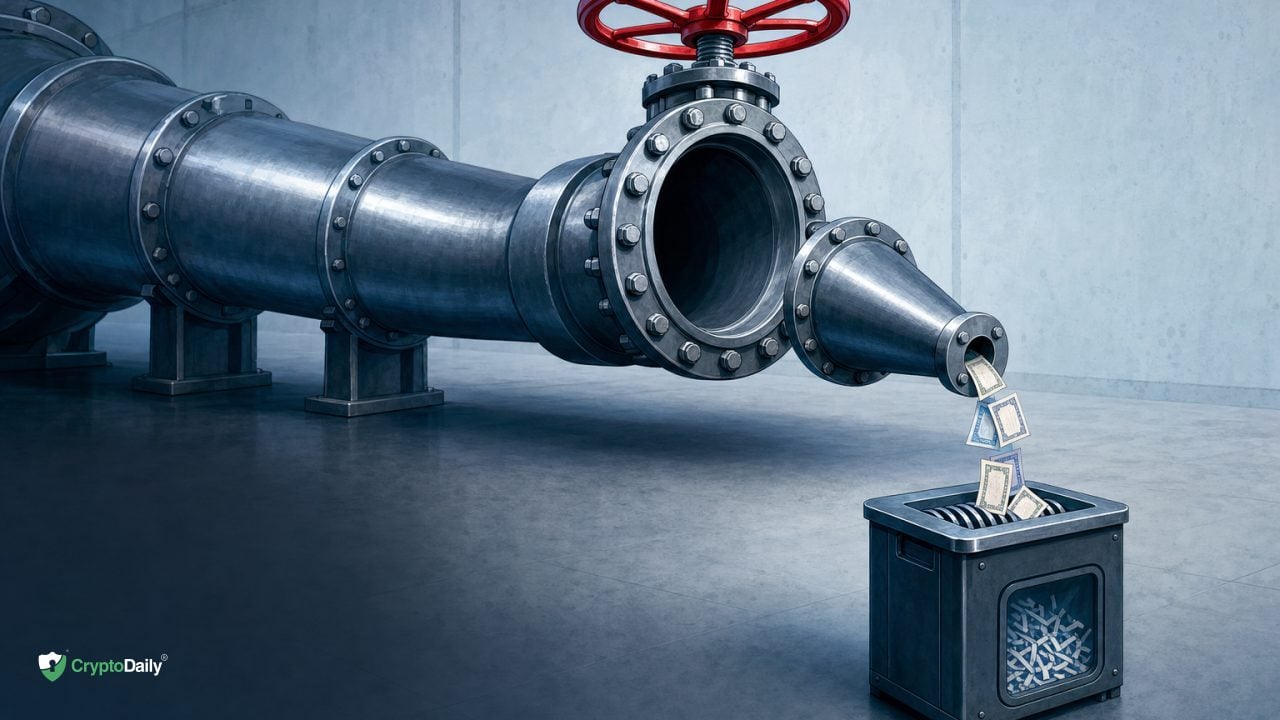
A share buyback authorization is corporate permission to repurchase up to a stated amount of stock within a period. It is not a commitment to buy any shares. Companies routinely note that programs may be modified, suspended, or terminated at management’s discretion and do not obligate repurchases. See, for example, issuer language in filings that clarifies board authorization and management discretion (Intuit Form 10‑Q).
Actual repurchases are the trades the company executes. Those transactions must be reported under securities‑law disclosure rules, which the SEC tightened in its Share Repurchase Disclosure Modernization final rule requiring more granular reporting, including daily Form SR submissions for executed buybacks and expanded narrative and structured disclosures (SEC Final Rule 34‑97424).
The distinction matters because only executed buybacks change shares outstanding, cash balances, and equity accounts. Announcements can be informative, but investors need the follow‑through data to see what, if anything, actually changed.
How share repurchase authorizations work
Boards (or shareholders) approve an authorization that typically reads “up to $X” or “up to Y shares” over a stated period. It grants management flexibility to repurchase but creates no purchase obligation. Issuers emphasize that repurchases are discretionary and subject to factors like market conditions and other requirements, and that programs can be suspended or discontinued at any time (Intuit Form 10‑Q).
Because authorization is permission rather than a plan of execution, the amount eventually repurchased may be higher, lower, or zero relative to headlines. The only way to know is to track the company’s actual reported buybacks.
From announcement to execution: methods and guardrails
Companies use several pathways to buy back stock:
- Open‑market purchases through brokers.
- Privately negotiated transactions with holders.
- Accelerated share repurchase (ASR) contracts with banks, where initial shares are delivered up front and the final tally is settled later based on a VWAP mechanism.
- Tender offers inviting shareholders to sell a set amount back to the company.
Issuers often disclose which methods they may use, including ASRs and open‑market buys, and note the VWAP‑based settlement mechanics for ASRs (Apple Form 10‑Q).
Rule 10b‑18 provides an anti‑manipulation safe harbor for issuer repurchases if four conditions are met around timing, manner of purchase, price, and volume. Meeting those conditions makes manipulation claims less likely, but the safe harbor does not protect repurchases made while the issuer possesses material non‑public information (SEC Rule 10b‑18 adopting release).
A typical execution sequence looks like this:
- Board authorizes up to a given dollar or share amount.
- Management selects methods and brokers or banks, considering liquidity, timing windows, and legal constraints.
- Trades are executed, often within Rule 10b‑18 parameters.
- The company reports completed trades in required disclosures.
Disclosure: what investors can see
The SEC’s modernization rule increased transparency by introducing daily Form SR filings for executed repurchases and expanded narrative and structured disclosures so investors can evaluate whether, how, and when an authorization was used (SEC Final Rule 34‑97424).
Companies also communicate authorizations and activity in press releases and periodic reports. For instance, firms may announce a new authorization and separately disclose actual repurchase activity for the period, which can be a small fraction of what was authorized (PJT Partners press release, 8‑K exhibit).
For investors, the workflow is straightforward: treat the authorization as intent, then verify execution in the subsequent Form SR filings and 10‑Q/10‑K tables and footnotes.
Why authorized and actual amounts differ
Authorized amounts and executed purchases often diverge because management evaluates multiple factors before buying stock. Common considerations include:
- Prevailing market prices and liquidity.
- Cash needs and alternative uses of capital.
- Legal, contractual, or credit‑agreement constraints.
- Trading windows, blackout periods, and other timing limits.
Issuers typically flag these caveats when announcing programs and when reporting activity over the period (PJT Partners press release). The result can be a large headline authorization with modest or delayed execution.
Financial statement effects of buybacks
Executed repurchases reduce shares outstanding, which can affect earnings per share. Cash paid appears as a financing cash outflow. Equity is adjusted either through treasury stock accounting or share retirement, with required tabular and footnote disclosures. These elements are referenced in SEC rules and related accounting guidance cited in the Commission’s modernization release (SEC Final Rule 34‑97424).
Authorizations alone carry no immediate accounting impact. Only the executed portion shows up in cash flow statements, equity accounts, and share counts.

Authorization vs executed buybacks at a glance
| Aspect | Authorization | Executed repurchases |
|---|---|---|
| What it is | Board/holder permission to repurchase up to a stated limit | Actual trades the issuer completes |
| Legal effect | No obligation to buy; discretionary and revocable | Subject to securities laws; may rely on Rule 10b‑18 safe harbor conditions |
| Disclosure | Announced via press release/filing; terms and limits only | Reported in Form SR and periodic reports with amounts, dates, and narrative detail |
| Timing | Defines a period during which buys may occur | Occurs during open windows or under preset mechanisms like ASRs |
| Financial impact | None until executed | Reduces shares outstanding; cash outflow; equity changes |
| Investor takeaway | Signals intent and flexibility | Reveals actual capital deployed and its effects |
Limits, risks, and misconceptions
Authorization is not a promise. Companies often state directly that programs do not obligate any minimum purchases and may be suspended or terminated at any time (Intuit Form 10‑Q).
Rule 10b‑18 reduces manipulation risk if issuers meet its timing, manner, price, and volume conditions. It is a safe harbor, not immunity; it does not apply to repurchases made while the company has material non‑public information (SEC Rule 10b‑18).
Regulators have also flagged insider‑trading concerns around buyback announcements. SEC research cited by Commissioner Robert J. Jackson Jr. found insiders sell more shares in the days following buyback announcements, a factor behind calls for tighter disclosure and cooling‑off periods (SEC speech and data).
Edge cases include accelerated repurchases whose final share count settles versus a VWAP, and programs constrained by credit covenants, ratings goals, or blackout schedules. Issuers often outline these possibilities when describing methods and conditions (Apple Form 10‑Q) and in program announcements (PJT Partners press release).
When this distinction matters in practice
You will encounter this gap any time a company headlines a new or expanded authorization. Treat the number as capacity, not commitment. Then track execution to judge capital allocation.
- Read the announcement for the limit, period, and allowed methods.
- Check subsequent Form SRs and the next 10‑Q/10‑K to see actual shares and cash deployed (SEC Final Rule 34‑97424).
- Note the method used (open market, ASR, tender) and any Rule 10b‑18 references.
- Evaluate effects on share count, EPS, and financing cash flows once buys are executed.
Frequently Asked Questions
Does a buyback authorization guarantee the company will repurchase shares?
No. An authorization grants permission up to a limit but does not obligate any purchases. Issuers explicitly state that repurchases are at management’s discretion and may be modified, suspended, or terminated (Intuit Form 10‑Q).
How can I verify whether a company actually repurchased stock?
Review the company’s repurchase disclosures. The SEC’s modernization rule added daily Form SR reporting for executed trades and expanded narrative and structured details in periodic filings, making it clear how much of any authorization was used (SEC Final Rule 34‑97424).
What is Rule 10b‑18 and why does it matter?
Rule 10b‑18 offers an anti‑manipulation safe harbor if issuer buybacks meet conditions on timing, manner, price, and volume. It lowers manipulation risk but does not apply when the issuer has material non‑public information (SEC Rule 10b‑18).
Do buybacks always create long‑term value?
Evidence is mixed. Some studies find positive long‑run abnormal returns after repurchase announcements, especially for value stocks, while others raise timing and agency concerns. Buybacks can be value‑creating but are not guaranteed (Ikenberry, Lakonishok & Vermaelen; subsequent literature).
What is an accelerated share repurchase (ASR)?
An ASR is a contract with a bank where the company receives a large block of shares up front and later settles the final number based on a VWAP calculation over a measurement period (Apple Form 10‑Q).
Why might a company slow or pause an authorized buyback?
Management weighs market conditions, liquidity needs, legal or credit constraints, and trading windows or blackouts before executing repurchases. Programs are commonly described as subject to these considerations (PJT Partners press release).
Disclaimer: This article is provided for informational purposes only. It is not offered or intended to be used as legal, tax, investment, financial, or other advice.
Related Stories