Bundesliga 2026–27: How to Bet with Bitcoin and USDT
 Crypto Daily

The Bundesliga returns on 28 August 2026, later than usual after a summer dominated by the FIFA World Cup. Bayern Munich begin their title defence against VfB Stuttgart, Borussia Dortmund host Hamburger SV on the opening weekend, and three promoted clubs enter the league, including Schalke 04 and Bundesliga debutants Elversberg.
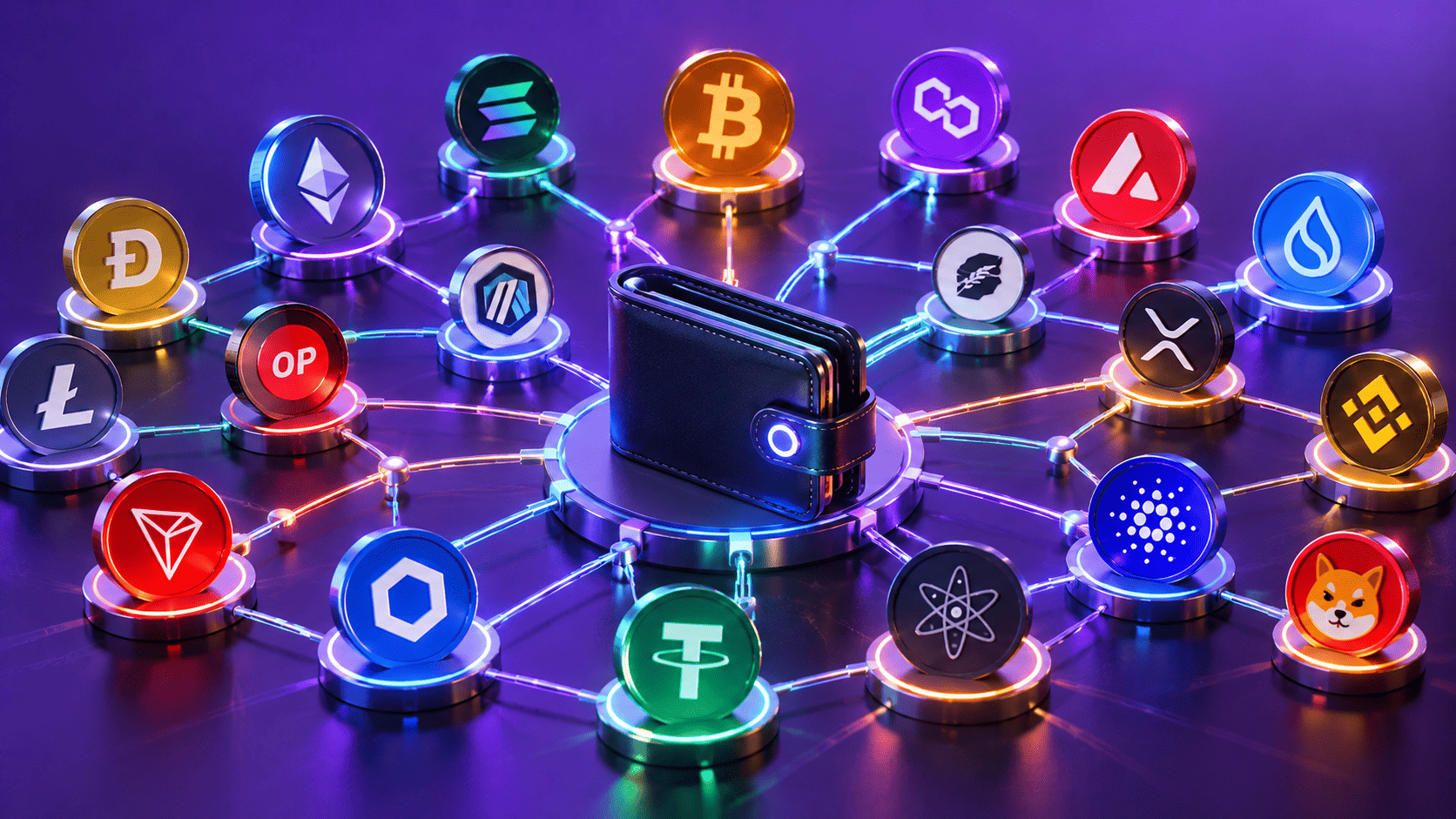
For bettors, the new season also arrives in a market where cryptocurrency has become another way to fund a sportsbook account. Bitcoin remains the obvious option, while USDT gives players a way to bet with a balance that does not fluctuate with the crypto market.
Platforms such as Dexsport combine Bundesliga betting with direct cryptocurrency deposits, allowing users to fund an account with BTC, USDT and other digital assets. The betting process itself remains familiar: choose a match, select a market and stake an amount. The main differences appear when depositing, managing the betting balance and withdrawing winnings.
Here is how it works ahead of the 2026–27 Bundesliga season.
Bundesliga 2026–27 Starts on 28 August
Germany's top division opens on Friday, 28 August, with Bayern Munich hosting VfB Stuttgart at 20:30 CEST.
The opening weekend already provides several notable fixtures. Borussia Dortmund face Hamburger SV, RB Leipzig play Borussia Mönchengladbach, while newly promoted Elversberg begin their first Bundesliga campaign against Bayer Leverkusen.
The league looks slightly different this season because three clubs have arrived from Bundesliga 2:
-
Schalke 04
-
SV Elversberg
-
SC Paderborn 07
Schalke return after three seasons outside the top division. Elversberg's promotion is particularly unusual. The club was playing fourth-tier football as recently as 2021–22 and will now become the 59th team to compete in Bundesliga history.
Bayern remain the benchmark after winning the Bundesliga and DFB-Pokal last season. Their early schedule also includes the Franz Beckenbauer Supercup against Borussia Dortmund on 22 August.
For bettors, that creates plenty of familiar markets before and immediately after the league's opening weekend.
What Does Betting on the Bundesliga with Crypto Mean?
Crypto betting changes the payment method rather than the basic mechanics of a football bet.
At a traditional sportsbook, a bettor might deposit euros using a bank card, PayPal or bank transfer. At a crypto sportsbook, the deposit can instead come directly from a cryptocurrency wallet.
Suppose you want to bet €50 worth of USDT on Bayern to beat Stuttgart. You transfer USDT to the sportsbook, wait for the required blockchain confirmations and then use the credited balance to place the wager.
Bitcoin works in much the same way. The important difference comes from the asset itself. BTC has a floating market price. USDT is designed to track the US dollar. A 0.001 BTC balance can therefore change considerably in fiat value even when no bets are placed. A 100 USDT balance should remain close to $100, although stablecoins carry their own issuer, depegging and network risks.
While many players choose USDT, some bettors prefer BTC. That makes the choice between BTC and USDT relevant before the first wager is even placed.
Bitcoin vs USDT for Bundesliga Betting
Both currencies can perform the same basic job, but they suit different approaches.
|
Bitcoin |
USDT |
|
|
Asset type |
Cryptocurrency |
USD-linked stablecoin |
|
Price volatility |
High |
Usually low |
|
Balance value |
Changes with BTC price |
Designed to remain near $1 |
|
Networks |
Bitcoin |
Multiple blockchain networks |
|
Main advantage |
Native BTC exposure |
Predictable betting balance |
|
Main consideration |
Market volatility |
Correct network selection |
Consider a bettor who deposits $500 worth of BTC before Matchday 1 and keeps part of it in the sportsbook until Matchday 4. The fiat value of that balance can rise or fall because Bitcoin itself moves.
With 500 USDT, the nominal dollar value is much easier to track.
For bankroll management, that simplicity can make USDT practical. If the plan is to risk 2% of a $500 bankroll on each bet, 2% remains roughly $10. With BTC, the equivalent dollar amount needs to be recalculated as its market price changes.
BTC may make more sense for someone who already holds Bitcoin and wants winnings paid back in the same asset.
How to Bet on Bundesliga Matches with Bitcoin or USDT
The exact interface differs between sportsbooks, but the transaction follows a fairly consistent sequence.
1. Choose a sportsbook that supports Bundesliga betting and your cryptocurrency.
Check the available football markets, supported coins, networks, withdrawal rules, minimum deposits and account requirements before transferring anything.
2. Create an account or connect through an available login method.
Crypto sportsbooks use different account structures. Some require conventional registration and identity verification. Others provide simplified registration or wallet-based access.
3. Select BTC or USDT as the deposit currency.
The sportsbook generates a deposit address. Copy it carefully rather than typing it manually.
USDT requires extra attention because it exists on several networks. The network selected in your wallet must match the network shown by the sportsbook. Sending tokens through an unsupported network can result in lost funds.
4. Send the crypto and wait for confirmation.
Blockchain transactions need to be detected and, depending on the platform and network, confirmed before the balance becomes available.
5. Find the Bundesliga match.
Navigate to football, Germany and Bundesliga. Select the match and then the desired market.
6. Enter the stake and confirm the bet.
Check the odds and potential return before submitting. Once accepted, the wager works much like a conventional online sportsbook bet.
What Can You Bet on During the Bundesliga?
A Bundesliga sportsbook usually offers much more than simply choosing the winner.
The most familiar market is the 1X2, where bettors choose a home win, draw or away win. Other common markets include total goals, both teams to score, Asian handicaps, correct score, player markets and accumulators.
For example, Bayern vs Stuttgart could produce markets covering Bayern to win, over 2.5 goals, both teams to score, first goalscorer and numerous match-specific propositions.
Live betting expands the selection after kickoff. Odds move as goals, cards, substitutions, possession and match time change the expected outcome.
This is where sportsbook functionality becomes more important. Rapidly updating odds, market suspension times and cash-out availability can matter more for an in-play bettor than a large welcome bonus.
Using Dexsport for Bundesliga Crypto Betting
Dexsport operates a sportsbook and casino and supports cryptocurrency deposits across multiple blockchain networks. Its supported assets include Bitcoin, Ethereum, USDT, BNB and TRON, among others.
Registration can be completed through email, Telegram or supported Web3 wallets such as MetaMask and Trust Wallet. The platform's sportsbook includes football alongside basketball, tennis, MMA, hockey and other sports, with pre-match and in-play betting available.
For Bundesliga bettors, the practical point is the payment infrastructure. Someone holding BTC can deposit Bitcoin and keep the betting balance denominated in crypto. A player who wants less exposure to cryptocurrency price movements can use USDT instead.
Dexsport also offers Cash Out for in-play bets, allowing eligible wagers to be settled before the match finishes. This can be useful during volatile football matches where the implied probability changes quickly after a goal, red card or tactical shift.
The platform operates under a licence from the Government of the Autonomous Island of Anjouan, Union of Comoros, and its Web3 infrastructure has undergone audits by CertiK and Pessimistic.
Licensing does not remove betting or cryptocurrency risk. Bettors should still check whether a platform can legally be used from their jurisdiction and review withdrawal, bonus and account terms before depositing.
BTC Network Fees vs USDT Network Fees
Crypto deposits introduce another variable that card bettors rarely need to consider: blockchain fees.
Bitcoin transaction fees depend on network demand. When the network becomes busy, sending BTC can become more expensive.
USDT is more complicated because the token operates across multiple networks. Transaction costs and confirmation characteristics can differ significantly depending on the blockchain being used.
This creates a simple rule for Bundesliga bettors: check the network before checking the fee.
A cheap transfer is irrelevant if the receiving sportsbook does not support USDT on that network. The withdrawal network matters for the same reason.
For bettors making frequent deposits and withdrawals, transaction costs can accumulate. Larger, less frequent transfers may therefore be more efficient than moving small amounts before every match.
How Crypto Withdrawals Work After a Winning Bet
Suppose a bettor deposits USDT, backs Dortmund at decimal odds of 2.00 with a 50 USDT stake and wins. The sportsbook balance increases by 100 USDT, including the returned stake.
To withdraw, the bettor enters a compatible USDT wallet address, selects the appropriate network and submits the request.
The same principle applies to Bitcoin.
Crypto withdrawals involve two separate stages: sportsbook processing and blockchain settlement. A blockchain can be operating normally while a sportsbook is still reviewing or processing the withdrawal. Conversely, a sportsbook can release the transaction immediately while network congestion delays confirmation.
Withdrawal limits, processing rules and identity checks also differ between operators. These conditions should be checked before depositing rather than after a large win.
The 2026–27 Schedule Changes the Betting Calendar
This Bundesliga season has an unusual structure following the World Cup.
The league starts on 28 August and reaches only Matchday 14 before the winter break, with the final matches of 2026 scheduled for 18–20 December.
The international calendar has also been reorganized. Instead of the usual sequence of three autumn international windows, Bundesliga clubs face two interruptions, including a longer break stretching from late September into October.
These gaps matter when evaluating form.
A club's performance before an international break may have limited relevance several weeks later. Players can return with injuries, managers gain time to adjust tactics and squad availability can change substantially.
European competition adds another layer. Bayern, Dortmund and other German clubs involved in UEFA competitions may face Bundesliga matches shortly after demanding midweek fixtures.
For betting purposes, the club name tells only part of the story. Rest days, injuries, rotation and schedule density can materially change a matchup.
Three Things to Check Before Placing a Bundesliga Crypto Bet
Crypto adds several checks to the normal process of evaluating football odds.
First, compare the actual price rather than choosing a sportsbook solely because it accepts Bitcoin. Decimal odds of 2.10 return 210 units from a 100-unit winning stake, while 1.95 returns 195. That difference can outweigh minor transaction savings.
Second, verify the cryptocurrency and network before depositing. This is particularly important with USDT because the same ticker can represent tokens running on different blockchains.
Third, separate the betting bankroll from long-term crypto holdings. A bettor who owns BTC as an investment and also uses it for Bundesliga wagers is exposed to two independent risks: the result of the bet and the market price of Bitcoin.
USDT removes much of the second variable, although it does not remove gambling risk or stablecoin-specific risk.
Is BTC or USDT Better for Bundesliga Betting?
For straightforward bankroll accounting, USDT is generally easier to manage. Stakes and returns remain close to familiar dollar values, making percentage-based bankroll rules easier to follow.
Bitcoin provides a different trade-off. Bettors can deposit and withdraw BTC without first converting their holdings into a stablecoin, but their bankroll remains exposed to Bitcoin's price.
Neither asset improves the probability of winning a football bet. The quality of the odds and the accuracy of the underlying analysis remain more important than the currency used to fund the account.
For the 2026–27 Bundesliga, the crypto layer mainly changes how money enters and leaves the sportsbook. The football itself remains the same: Bayern begin their title defence on 28 August, Schalke return to the top flight, Elversberg enter unfamiliar territory, and another 34-matchday season will determine whether anyone can take the title away from Munich.
Disclaimer: The information here is provided for general purposes only and is not legal, tax, investment, or financial advice, and nothing here is a betting tip or prediction. Market availability and platform features change over time, so confirm current details before betting. Betting carries risk, and rules vary by country, so check the law where you live. Please gamble responsibly, within your means, and only if you are of legal age.
Related Stories