XRP Ledger Lending Protocol Explained: How Onchain Credit Could Work
 Ethan Caldwell
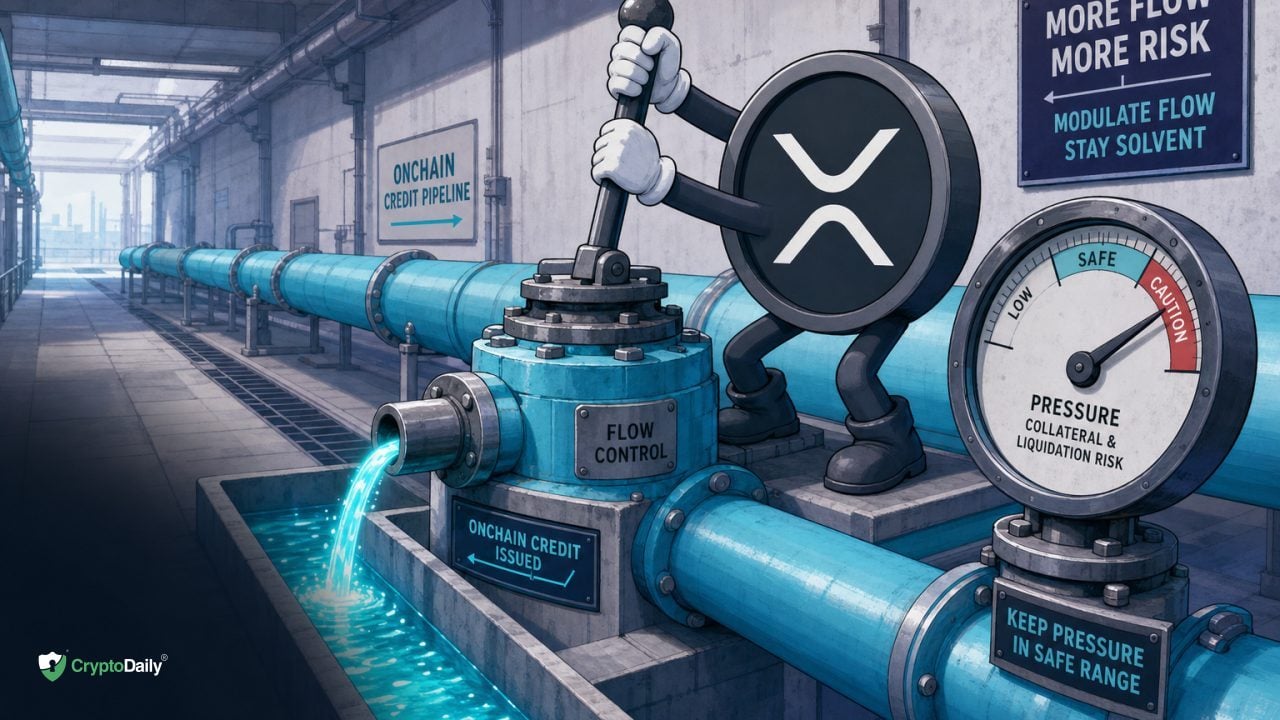
A lender clicks “Fund” on a 30‑day XRP loan to a vetted merchant. The funds settle in seconds, interest starts ticking, and there’s no centralized desk in the middle. That’s the vision.
On June 29, Ripple outlined exactly how that could land on XRPL, introducing specs for Single Asset Vaults (XLS‑65) and a native Lending Protocol (XLS‑66), and inviting builders to test on devnet while validators review the amendments (Ripple (Insights blog)).
Within days, a public demo showed the full loan loop working on devnet — vaults, liquidity deposits, uncollateralized fixed‑term loans, repayments — giving the market a feel for how credit might move on XRPL if approved (XRPL Demo App (lending.xls-demo.com) — RippleX).
Why XRPL Is Moving Credit Onchain Now
XRPL has long been a payments and exchange rail. Liquidity hops around quickly, but credit — the thing that stretches dollars and XRP across time — mostly lives offchain or inside DeFi venues on other networks. Ripple’s proposed amendments would introduce native ledger support for lending objects, aiming to bring fixed‑term, potentially uncollateralized credit closer to the settlement layer.
Credit is where payments meet time. If lending becomes a first‑class primitive on XRPL, the ledger stops being just the final step and starts shaping the transaction itself.
Who cares? Payments businesses, market makers, wallets, and builders who want predictable funding costs and native accounting for credit risk. Also, retail depositors who might supply liquidity into vaults — if the risk and return make sense.
From Payments Rails to Credit Primitives
Ripple’s proposal splits the work into two specs. XLS‑65 describes Single Asset Vaults. Think of a vault as a standardized container on XRPL that holds one asset and tracks shares for depositors. XLS‑66 layers in the lending logic: creating loan terms, disbursing funds, accruing interest, and settling repayments. Both changes would land via the network’s amendment process and are not active on mainnet unless validators approve them.
Amendments and governance in plain language
XRPL evolves through amendments that require a supermajority of validators to support them continuously for a set voting window. The official “Known Amendments” page lists the LendingProtocol amendment (ID 565B90CA1AB2B9D42208ED10884188C64F9E19083DECB9634AAF06EB03299509) and shows both SingleAssetVault and LendingProtocol currently open for voting on mainnet as of late June (XRPL Docs — Known Amendments). Nothing is guaranteed; activation depends on sustained supermajority.
What changes if this passes?
If approved, applications wouldn’t have to reinvent core lending logic in bespoke contracts. They could call into standardized ledger objects for vault deposits, loan creation, and repayment tracking. That usually means fewer moving parts, more predictable fees, and clearer risk semantics across the ecosystem.
Under the Hood: Vaults, Loans, and Settlement
Single Asset Vaults (XLS‑65)
A Single Asset Vault is a native structure for pooling one token, such as XRP or a USD stablecoin. It issues shares when users deposit and burns them on withdrawal. The ledger tracks total assets, total shares, and each account’s share balance. Because it’s native, vault accounting and fee mechanics are consistent across apps that use it.
Lending Protocol (XLS‑66)
XLS‑66 introduces loan objects that reference a funding source (for example, a vault), specify borrower details, define fixed terms, and manage repayment schedules. The RippleX demo on devnet shows uncollateralized, fixed‑term loans from creation through repayment, which is important: uncollateralized credit is about underwriting borrowers, not liquidating collateral (XRPL Demo App (lending.xls-demo.com) — RippleX).
How a loan could flow on XRPL
- A protocol deploys a Single Asset Vault and attracts deposits (for example, XRP or a USD stablecoin).
- Credit managers set policies: who can borrow, max sizes, terms, and pricing.
- A borrower applies for a fixed‑term loan. The app checks whitelists, limits, and available liquidity.
- On approval, the loan object is created and funds settle to the borrower’s address natively on XRPL.
- Interest accrues according to the fixed schedule. The ledger tracks principal and interest due.
- The borrower repays. The protocol allocates funds back to the vault and updates lender shares.
- If repayment fails, the protocol triggers its default policy, which could include reserves, insurance, or recovery steps defined by the app’s rules.
Why fixed‑term matters
Most DeFi lending today is variable‑rate and overcollateralized. Fixed terms mean you can match assets and liabilities. A wallet or exchange treasury can plan cash flows. A merchant can model cost of capital. If native, this gets simpler to audit and automate.
| Feature | XRPL Lending (proposed) | DeFi pools (typical) | CeFi credit lines |
|---|---|---|---|
| Collateral model | Uncollateralized possible; policy‑driven per app | Usually overcollateralized (liquidations) | Unsecured or partially secured; offchain contracts |
| Rate type | Fixed‑term support in protocol objects | Mostly variable utilization‑based | Fixed or floating, negotiated |
| Settlement | Native XRPL accounting and settlement | Smart contract accounting on L1/L2 | Bank wires or custodians |
| Underwriting | Offchain/attestation‑based via app logic | Collateral‑focused; limited identity | Full KYC/credit files |
| Transparency | Onchain loan objects and vault stats | Onchain, but varied per protocol | Opaque bilateral agreements |
| Failure handling | App policies: reserves, waterfalls | Liquidations and auctions | Collections, legal recourse |

Where Things Stand: Voting, Devnet, Early Apps
As of June 30, the XRPL “Known Amendments” page lists SingleAssetVault and LendingProtocol as open for validator voting on mainnet. Activation requires a sustained supermajority for the full voting period, so timelines aren’t set in stone (XRPL Docs — Known Amendments).
Meanwhile, Ripple posted a detailed explainer and invited developers to kick the tires on devnet (Ripple (Insights blog)). The companion demo app is live and walks through the full lifecycle: create vaults, deposit, originate uncollateralized fixed‑term loans, repay, and inspect state transitions onchain (XRPL Demo App (lending.xls-demo.com) — RippleX).
Market builders are already signaling intent. On July 1, a press release from LendProtocol teased a consumer‑facing product with a 12% APR for XRP and RLUSD deposits, with daily payouts and no lockup, at launch. That’s a claim from the project, not a guarantee of returns or risk level (GlobeNewswire (LendProtocol press release)). If anything, it shows how quickly projects try to capitalize when core primitives appear.
What It Could Change for XRPL Users and Builders
Predictable funding for onchain businesses
Fixed‑term credit lets market makers, remitters, and wallets plan cash cycles. If you’re pre‑funding corridors or balancing order books, a 30–90 day fixed rate is often more useful than a floating utilization rate that whipsaws every week.
Cleaner UX for depositors
With vaults standardized at the ledger level, apps can present simpler deposit and withdrawal flows. Share accounting is native, so you don’t need to parse bespoke contract math to understand your claim on the pool.
Opportunities for identity and reputation layers
Uncollateralized loans live or die on underwriting. Expect integrations with attestation providers, business registries, oracles, and risk dashboards. None of that is dictated by XLS‑65/66; it’s the space for builders to differentiate.
Ledger‑native analytics
If loans and vaults are first‑class objects, network explorers and data vendors can standardize dashboards: utilization, delinquency, defaults, duration ladders. That’s good for transparency — and pressure. Bad risk managers won’t be able to hide.
What Needs to Work in Practice
Underwriting beyond vibes
DeFi drifted into “number goes up” underwriting. That doesn’t fly with unsecured loans. Clear borrower criteria, capped exposures, and audited policies need to be front and center. Some apps may require KYC or business documentation to borrow.
Loss buffers and waterfalls
Unsecured credit should come with reserves, junior tranches, or insurance. XLS‑66 doesn’t prescribe capital structures, so protocols must define who eats first loss and how recoveries flow.
Operational safeguards
Fixed terms help, but they create refinancing cliffs. Apps will want staggered maturities, early‑repayment rules, and circuit breakers if vault utilization gets too tight.
Regulatory fit
Consumer lending rules are strict in many places. Even if the ledger supports credit objects, front‑end platforms that face the public may need licensing, disclosures, and robust data handling. This is especially true for uncollateralized loans to individuals.
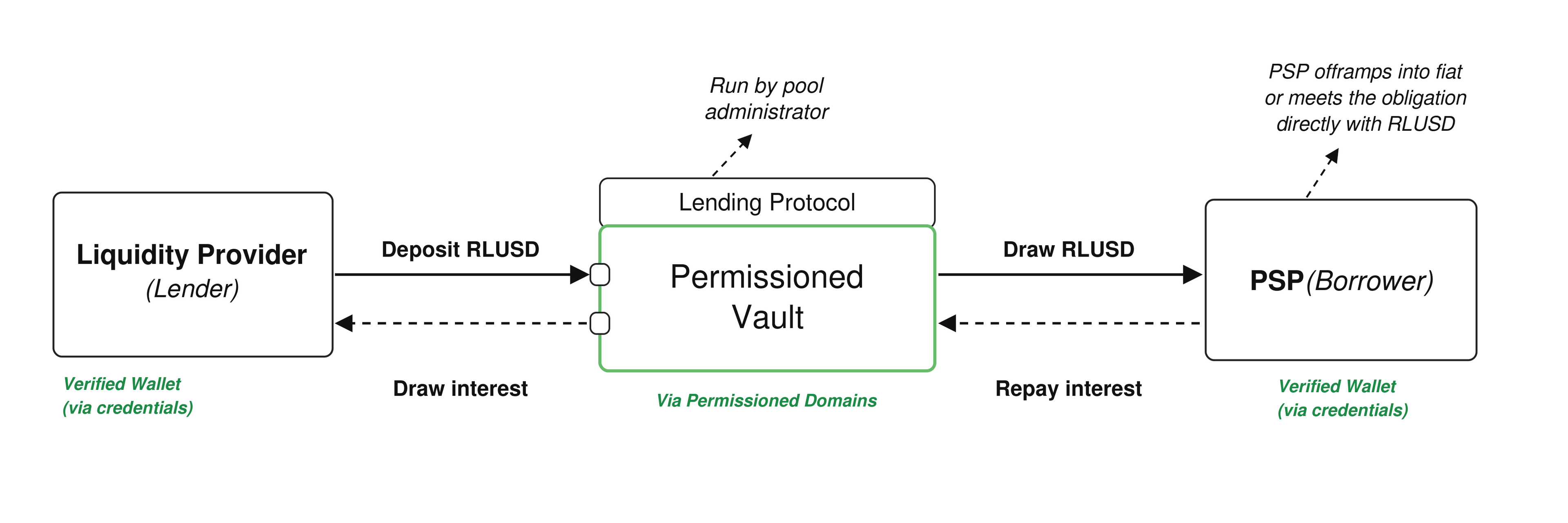
Protocol architecture diagram showing Single Asset Vault, Loan Broker, Depositors and Borrowers — visualizes the on‑chain flow and roles that underpin XRPL’s lending primitive, useful for explaining who enforces loans on‑ledger and who keeps underwriting off‑chain. — Source: Ripple (Insights)
What to Watch Next
Signals that matter over the next quarter
- Validator supermajority trends: Are votes for SingleAssetVault and LendingProtocol rising and staying high through the full window? That’s the gating factor for mainnet.
- Devnet volume and breakage: Are builders hammering the demo paths and reporting edge‑case bugs? The more it breaks now, the less it breaks later.
- Wallet and SDK support: Clean deposit/loan UX won’t happen without tooling. Watch which wallet teams ship early integrations.
- Risk frameworks from early apps: Who publishes underwriting policies, audit reports, and live risk dashboards? That’s where serious capital will look first.
- Regulatory posture: Do early platforms target businesses only, or retail too? The answer tells you a lot about expected oversight and growth pacing.
Risks & What Could Go Wrong
- Amendment non‑activation: Validators might not sustain a supermajority. In that case, devnet stays a sandbox and mainnet doesn’t change.
- Implementation bugs: Even native features can have logic or accounting flaws. Edge cases in interest accrual or repayment scheduling could cause losses if not caught.
- Underwriting failures: Unsecured lending magnifies borrower risk. A few bad loans without proper reserves can sink a vault.
- Liquidity crunch: If too many deposits are locked in fixed‑term loans and withdrawals spike, apps may face gating or haircuts.
- Regulatory actions: Consumer‑facing unsecured credit can trigger enforcement if platforms skip compliance.
- Marketing overreach: Headline APRs can mask risk. Daily payouts and no lockups sound great until defaults hit. Treat claims as marketing, not guarantees.
If you supply liquidity, assume principal risk. Yields come from someone else’s promise to repay — and sometimes they don’t.
If you want steady coverage and practical updates, we track XRPL proposals and devnet experiments closely at Crypto Daily. When validator votes shift or major apps publish risk data, we’ll surface it fast.
Frequently Asked Questions
Is the XRPL Lending Protocol live on mainnet?
Not yet. As of late June, the SingleAssetVault and LendingProtocol amendments are open for validator voting. Activation needs a sustained supermajority for the required period, per the XRPL governance process (XRPL Docs — Known Amendments).
How are interest rates set in this model?
Rates are part of loan terms defined by the application using the protocol objects. The RippleX demo highlights fixed‑term loans. In practice, pricing will reflect credit risk, duration, and market demand for vault liquidity. There’s no guaranteed yield.
Do borrowers need collateral?
They may not. The demo shows uncollateralized fixed‑term loans on devnet, implying underwriting and whitelisting are handled by the app’s policies rather than by collateral liquidations (XRPL Demo App — RippleX).
What assets could vaults hold?
Single Asset Vaults are designed to hold one token. That could be XRP or a supported stablecoin (for example, projects have referenced RLUSD in their marketing). Actual supported assets depend on the app and what’s liquid on XRPL.
How are defaults handled if a borrower doesn’t repay?
Default logic is application‑specific. Expect reserves, first‑loss tranches, or insurance mechanisms. XLS‑66 tracks state and schedules, but it doesn’t magically recover funds; protocols must plan for losses and disclose policies.
When can I try it?
You can test the flow on XRPL devnet today via RippleX’s public demo for XLS‑65/66. Mainnet availability depends on validator votes and successful testing (Ripple (Insights blog)).
Will this move XRP’s price?
Credit primitives can improve utility and liquidity, which may influence sentiment over time. But prices move for many reasons. Treat this as infrastructure progress, not a trading signal.
Disclaimer: This article is provided for informational purposes only. It is not offered or intended to be used as legal, tax, investment, financial, or other advice.
Related Stories