What Makes a Web3 Gaming Community Worth Following
 Adrian Barkley
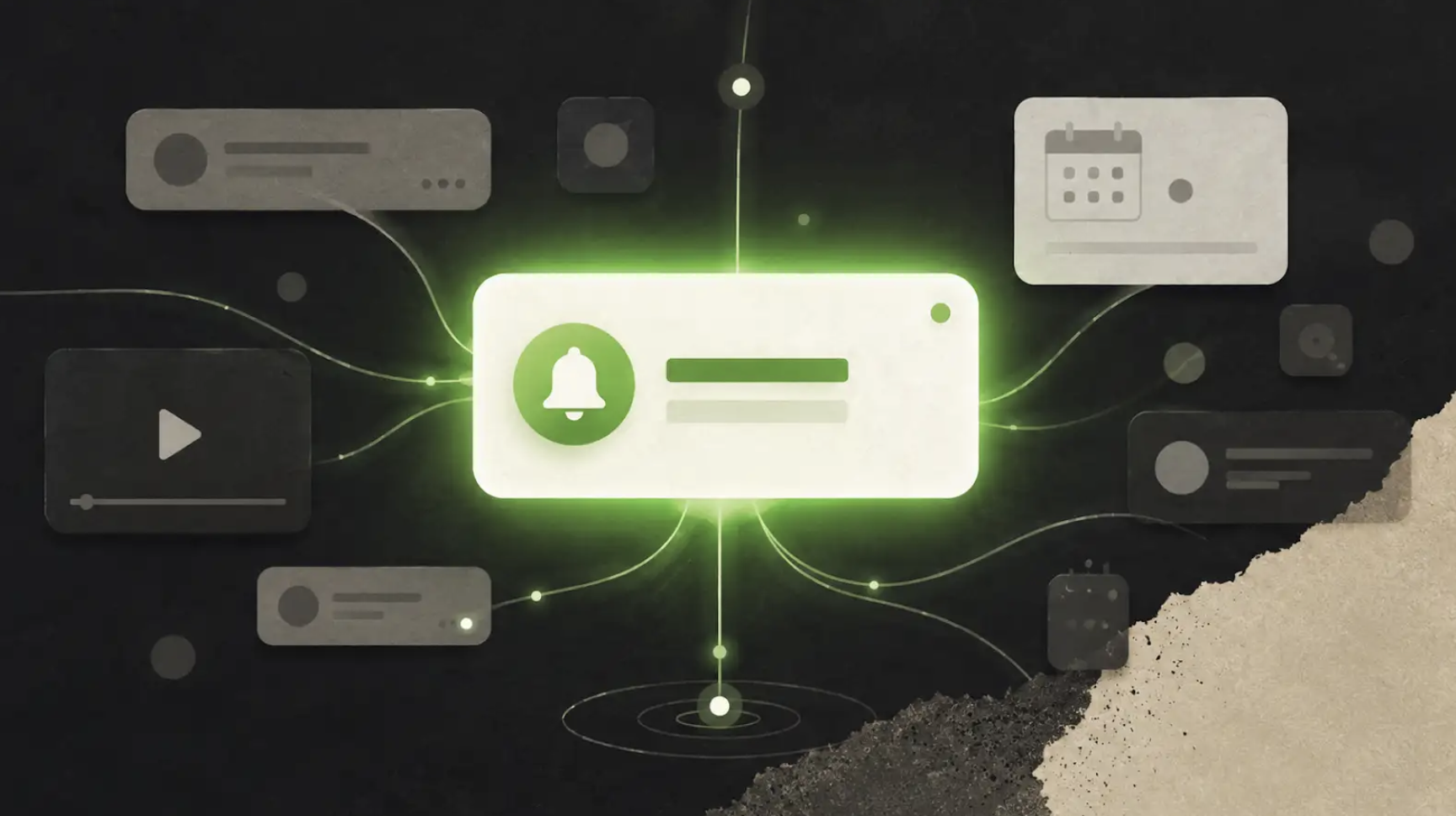
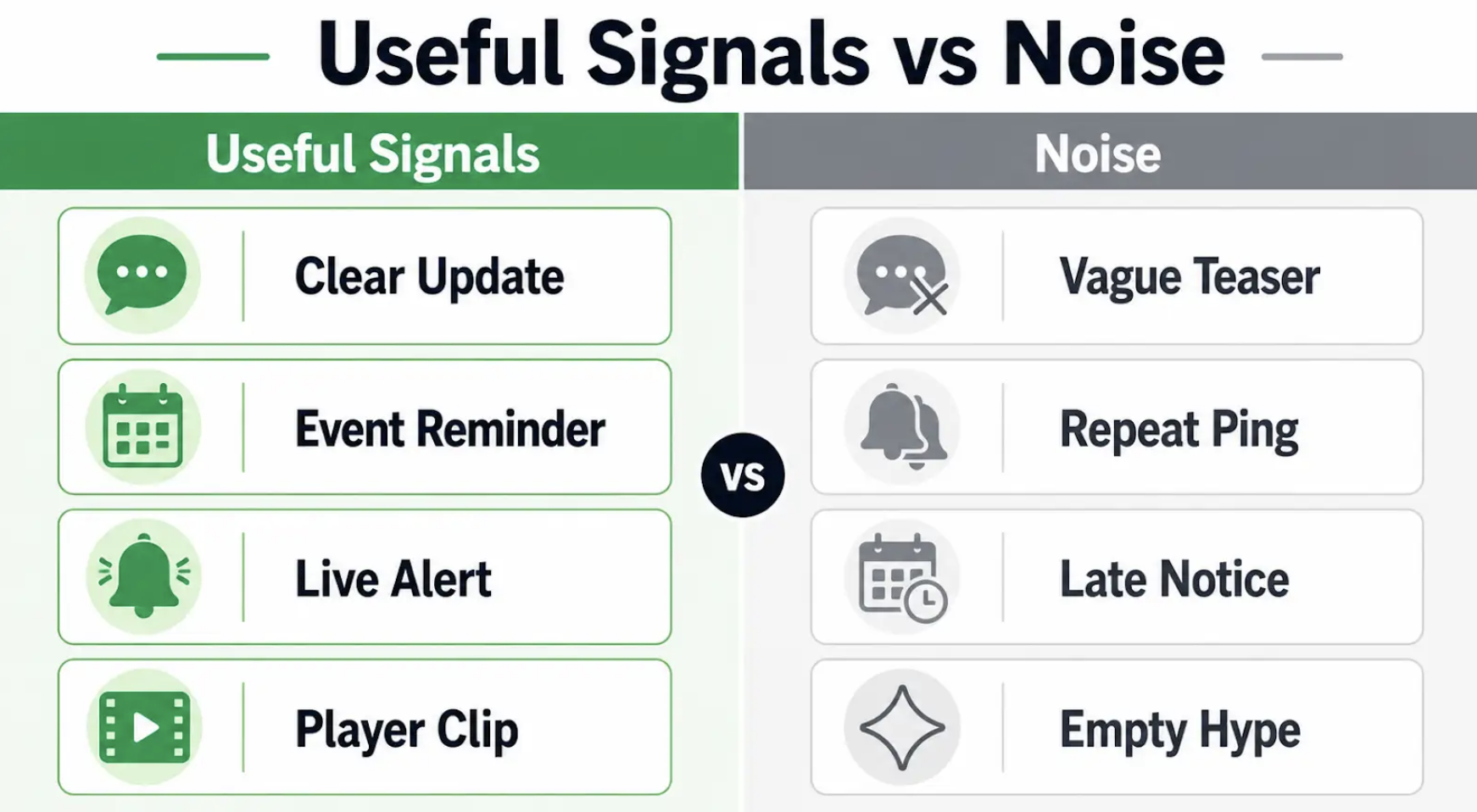
A server count is a weak sign of life in a Web3 gaming community. The stronger sign is what brings people back: a patch note that explains a change, a tournament reminder with a clear start time, a clip that makes a match easy to follow, or an alert tied to something happening now. The signal often returns before the player does.
The scale of that habit is easier to understand when we have a better overview of the internet and general usage. DataReportal’s Digital 2026 Global Overview Report counted 6.04 billion internet users in October 2025, alongside 5.78 billion unique mobile users and 5.66 billion social media user identities. Crypto gaming now sits inside that phone-first routine, where chat, play, feeds, and alerts compete on one screen.
What Counts as a Useful Signal
A useful signal tells someone what changed and where to look next. In crypto gaming communities, that could be a Discord note about a balance change, a marketplace alert, an event reminder, a creator thread, or a message that a live session is moving.
Weak signals do less work. A vague “big news soon” post can stir up attention for a few minutes, then fade. A clearer post gives players enough detail to decide if they want to open the app, join the chat, watch the match, or leave it for later.
Crypto gaming communities stretch beyond the game client. People move between social channels, wallets, web apps, short videos, and live platforms. That movement makes timing part of the experience. The same person may be reading a project update, following a match, checking a token page, and watching community reactions within minutes.
A crypto casino page gives readers a concrete crypto entertainment setting for seeing how signals work around live activity. The page presents casino games with Bitcoin, Ethereum, Ripple, Litecoin, Tether, and other cryptocurrencies, which makes it a useful example of how crypto-supported play can sit beside alerts, session timing and platform updates. Not every alert deserves attention. The better test is whether the signal answers something specific.
A group discussion may tell people what players are debating. A price move may explain why a watchlist changed. A platform notice may point back to something inside an active session. Viewed through that lens, a crypto casino can help readers separate social noise from timely product information: what changed, when it happened, where to check it, and whether the update is close enough to the moment to be worth opening without needing hype, dramatic wording, or a generic push for attention.
A recent Instagram post from the same platform uses the line “Never Miss A Play. Enable Notifications.” That shows the kind of alert language that crypto entertainment users now see across apps and web platforms. The caption connects alerts with live moments, including an underdog taking the lead during a tournament and bonus-drop notices.
Community Trust Is Built Between Sessions
A strong Web3 gaming community is easy to recognise between sessions. The chat has practical questions. People explain what a change means. Clips are shared because they clarify a moment, not because everyone is chasing the same phrase. Newcomers can see what the group cares about without decoding weeks of inside jokes.
Crypto gaming communities differ from ordinary news feeds in one simple way. A feed can move fast without building shared memory. A community needs repeated contact. Players learn who explains things well, which channels stay useful during events, and which updates are worth opening. The quality of the signal becomes part of the group’s reputation.
Real-time alerts in gaming apps can shape that reputation. A well-timed alert can bring people back into a match, tournament, or discussion while it is still alive. Too many alerts train people to mute the channel. When everything is urgent, the useful updates have to fight harder.
How to Read the Activity
For readers watching blockchain gaming community activity from the outside, volume is the easiest thing to misread. A loud channel can be thin. A quiet one can be stronger if the conversation is specific and repeatable.
Look first at the gap between announcement and reaction. Are players asking real follow-up questions? Are they sharing examples from play? Are moderators or experienced members answering with details? Are clips, event reminders, and update notes helping people understand what happened?
Then look at timing. Useful communities do not need constant noise. They build habits around moments that deserve attention: a new mode going live, a match starting, a patch changing how something works, or a creator explaining what others missed.
Trust is the final test. A group may be busy, but members stay when repeated interactions make the space feel familiar and believable. That is close to the pattern described in a 2025 Frontiers in Psychology study of gaming communities, which linked participation with digital trust through perceived realism and group identity.
Disclaimer: This article is provided for informational purposes only. It is not offered or intended to be used as legal, tax, investment, financial, or other advice.