The Fastest Payment Methods for Online Casinos
 Crypto Daily
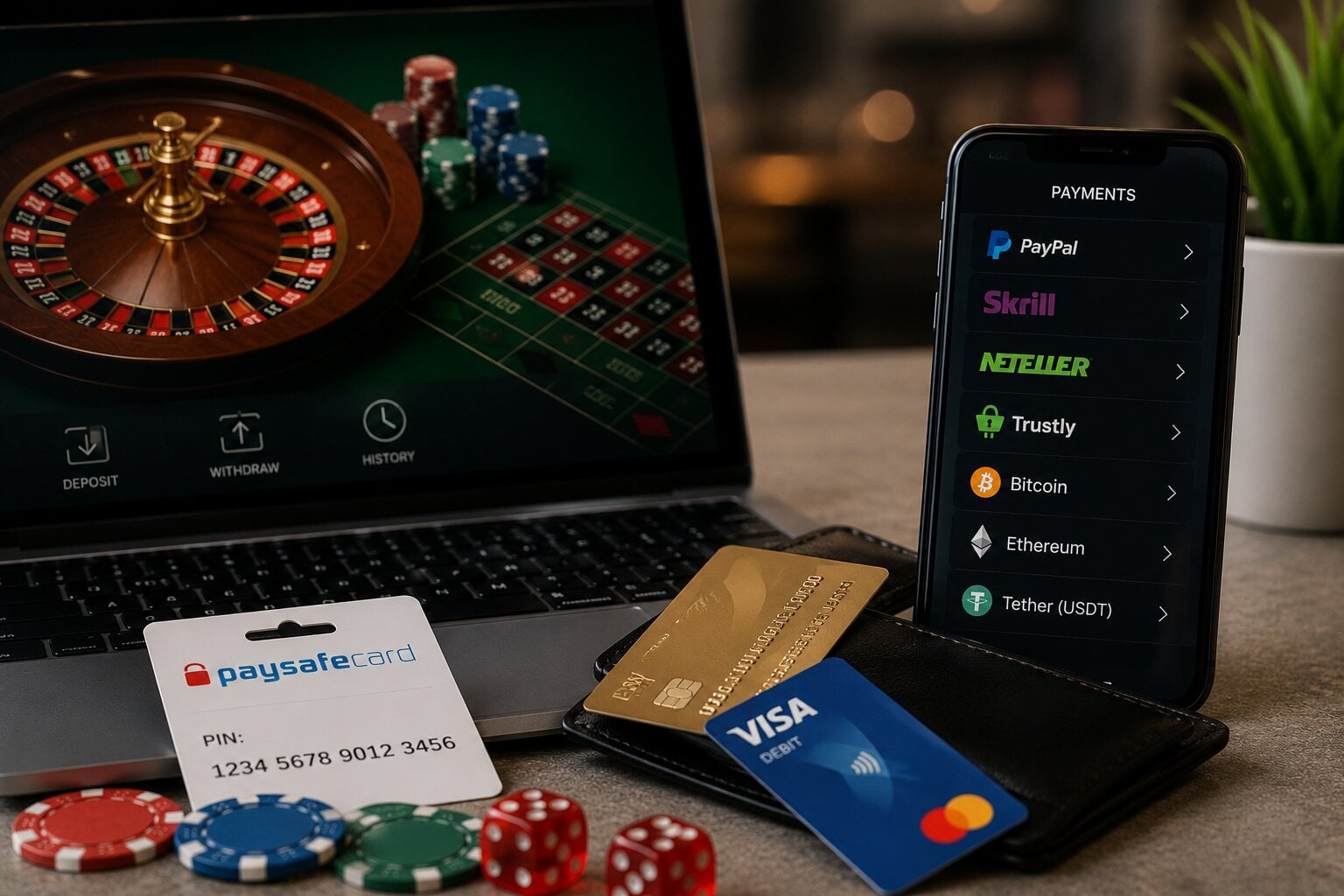
Online casinos have changed significantly over the past decade, and one of the most practical improvements has been in how quickly players can move money. Where bank transfers once took several business days to process, the payment ecosystem available to UK players now includes options that settle funds within minutes. Understanding which methods are genuinely fast, and why, makes a real difference to the overall experience.
Speed matters for different reasons depending on the player. For some, it is about depositing quickly enough to catch a promotion or join a live game without delay. For others, it is the withdrawal side that counts, because waiting days to access winnings you have already earned is genuinely frustrating. The good news is that several payment methods now handle both directions of money movement at an impressive pace.
E-Wallets Remain the Gold Standard for Speed
When it comes to fast transactions at UK online casinos, e-wallets consistently top the list. If you are searching for an instant payout casino, e-wallets like PayPal, Skrill, and Neteller are almost always the payment methods that make that claim possible. Deposits are processed immediately, and withdrawals are typically completed within one to two hours once the casino has approved the transaction.
PayPal is particularly well established in the UK market. It is accepted at a large number of licensed operators, and its reputation for buyer protection adds an extra layer of reassurance. Players who already use PayPal for everyday shopping will find the casino integration seamless, with funds moving from their PayPal balance to their casino account and back with minimal friction. For players specifically chasing an instant payout, PayPal-enabled casinos are often the easiest starting point.
Skrill and Neteller operate in a similar way but tend to attract more experienced casino players. Both are owned by Paysafe and have long histories in online gambling. One practical advantage they offer is the ability to hold a dedicated balance for gambling activity, which helps players manage their spending separately from their main bank accounts.
The main limitation of e-wallets is that some casinos exclude e-wallet deposits from welcome bonus eligibility. This is worth checking before using one. Beyond that, the speed and convenience they offer are hard to match through any other traditional payment route.
How Debit Cards and Bank Transfers Compare
Debit cards are the most widely used deposit method in the UK, partly because credit card gambling was banned by the UK Gambling Commission in 2020. Visa and Mastercard debit transactions are accepted at virtually every licensed casino, and deposits land instantly. Withdrawals, however, tell a different story. Bank card withdrawals typically take one to three business days, which is slow compared to e-wallets and falls well short of what most players would call an instant withdrawal.
Faster Payments, the UK banking infrastructure that underpins most bank transfers between domestic accounts, can process withdrawals within a few hours in many cases. Some casinos have integrated this directly and advertise same-day bank withdrawals as a result. The actual timing still depends on when the casino processes the request and whether any manual review is triggered.
Open banking payments are a newer development worth knowing about. Services like Trustly and Pay by Bank allow players to authorise transactions directly through their online banking app without entering card details. Deposits are instant, and withdrawals can be faster than a standard bank transfer because the payment rails are more direct. Several UK casinos have begun offering Trustly specifically because it simplifies the verification process while maintaining speed.
Cryptocurrency: Fast by Design
Cryptocurrency transactions operate outside the traditional banking system entirely, which removes many of the delays associated with conventional payment processing. Bitcoin, Ethereum, Litecoin, and Tether are among the cryptocurrencies accepted at a growing number of online casinos that serve UK players. Deposits are confirmed on the blockchain within minutes, and withdrawals follow a similar timeline once the casino initiates the transfer.
The speed advantage is most pronounced with cryptocurrencies that have faster block confirmation times. Litecoin and Tether on the TRC-20 network, for example, are often faster and cheaper to send than Bitcoin. Ethereum transactions can be quick but are subject to network congestion, which occasionally causes delays during high-traffic periods. In the best-case scenario, crypto can deliver a genuine instant withdrawal experience that rivals even the quickest e-wallet transactions.
One important consideration for UK players is regulatory status. The UK Gambling Commission licenses operators, and not all crypto casinos hold a UKGC licence. Players should verify that any casino accepting crypto is properly licensed before depositing, regardless of how fast the payment method itself may be. Operating outside a licensed environment removes the consumer protections that UK regulation provides.
Volatility is the other practical factor. If a player deposits Bitcoin and the price drops before they withdraw, the real value of their funds changes even if the casino balance stays the same in fiat terms. Some players choose stablecoins like USDT specifically to avoid this exposure while still benefiting from blockchain transaction speed.
Paysafecard and Prepaid Options
Paysafecard works differently from most other payment methods. Rather than linking to a bank account or digital wallet, it uses a voucher system. Players purchase a prepaid voucher from a retailer or online, then enter a 16-digit PIN to deposit at a casino. The transaction is instant and entirely anonymous, requiring no bank details.
The anonymity aspect appeals to players who prefer to keep their gambling separate from their regular financial activity. Because no personal financial information is shared with the casino during the transaction, there is no risk of bank data being exposed. Paysafecard vouchers are widely available from newsagents, supermarkets, and petrol stations across the UK.
The limitation is significant, though. Paysafecard is a deposit-only method in most cases. Casinos generally cannot send withdrawals back to a Paysafecard, so players who use it will need a separate method for cashing out winnings. This makes it useful for funding play quickly but unsuitable as a standalone solution for players who want end-to-end speed.
Making the Right Choice for Your Priorities
Every payment method involves a trade-off between speed, convenience, privacy, and accessibility. For players who want the fastest possible withdrawals with minimal setup, an e-wallet like PayPal or Skrill is the most reliable choice at UK-licensed casinos. For those who value anonymity at the deposit stage, Paysafecard delivers that without any delay. Crypto suits players comfortable with digital assets and willing to use casinos that support it within a legitimate licensing framework.
Debit cards remain a practical default for the majority of players, even if withdrawals are slower. They require no additional account, no new registration, and are accepted everywhere. For many people, waiting a day or two is acceptable, especially when the deposit side is instant.
Speed Is Only Part of the Picture
Getting money in and out of a casino quickly is undeniably useful, but speed alone should not be the only factor guiding a payment method choice. Security, withdrawal limits, fees, and casino bonus terms all affect the practical experience. Some fast payment methods come with transaction fees that quietly reduce the value of winnings over time.
The broader point is that the infrastructure supporting online casino payments in the UK has matured considerably. Players no longer have to accept slow or cumbersome processes as the norm. E-wallets, crypto, open banking, and prepaid vouchers each solve the speed problem from a different angle, giving players genuine options based on their individual circumstances rather than a one-size-fits-all answer.
Disclaimer: This article is provided for informational purposes only. It is not offered or intended to be used as legal, tax, investment, financial, or other advice.
Related Stories