Illinois Crypto Transaction Tax Faces Industry Lawsuit
 Sophia Bennett

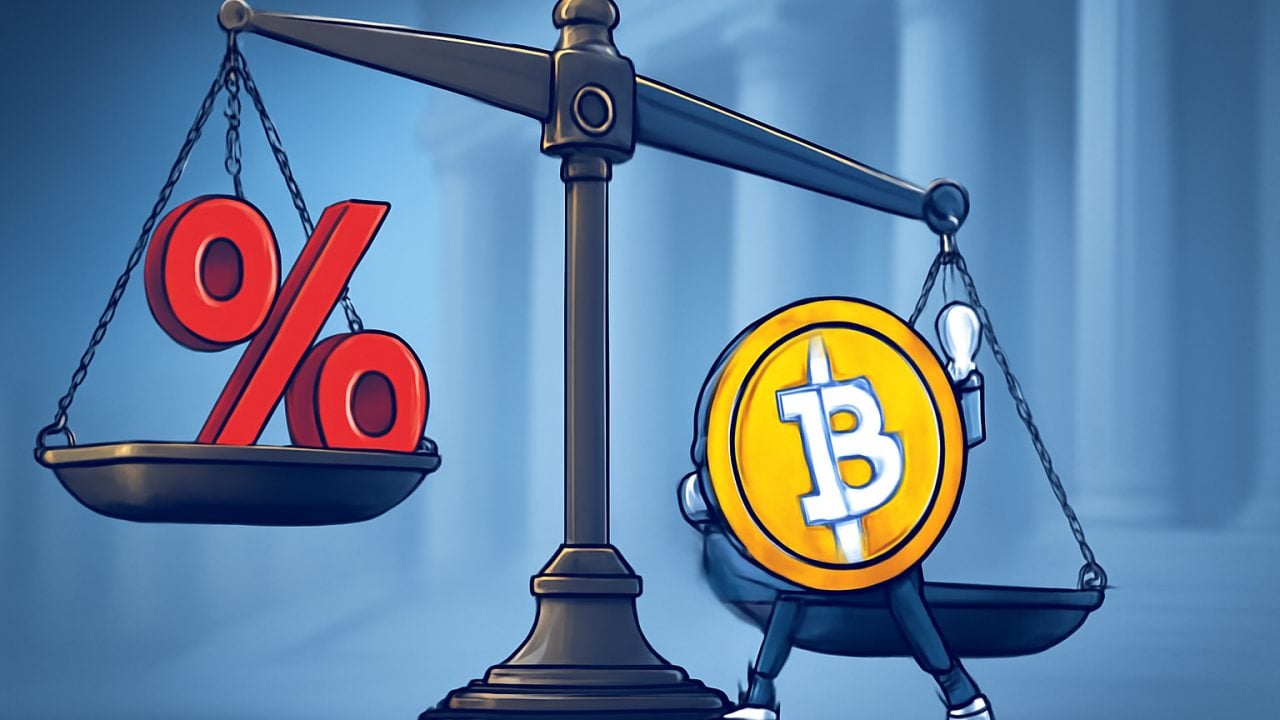
You hit buy on a small alt trade and a fraction of a percent gets skimmed before your order even settles. Not as a spread, not as a gas fee, but as a state tax. That is the world Illinois just tried to build.
Now the industry has pushed back hard. A national trade group has taken the state to court, and lawmakers in Springfield are already debating a repeal bill. This is no sleepy rule buried in the code. It is a new line in the sand about how crypto gets taxed at the point of execution.
Whether you run an exchange node, a market-making desk, or just DCA from a phone in Chicago, the outcome touches you.
Illinois passed the Digital Asset Tax Act, a 0.2% levy tied to digital asset transactions, with a start date of January 1, 2027. Within weeks the blowback arrived from multiple fronts. The Digital Chamber filed a 32-page complaint in Sangamon County Circuit Court on July 21, 2026 seeking to void the law and halt enforcement before it kicks in The Block. The law’s revenue target is roughly 60 million dollars a year according to state budget materials and reporting Forbes. And even the top US derivatives regulator has taken a swing at the idea.
This is not a niche fee, it is a new tax layer that sits on top of trading infrastructure, which means it reshapes routing, market structure, and where liquidity shows up.
For Illinois, it is positioned as a budget line and a regulatory stance. For the industry, it is a precedent that could set off copycat rules or a retreat of liquidity from certain states. Most readers do not care about the politics. They care about whether spreads widen, fills slip, and costs compound. All of those are on the table.
What the Digital Asset Tax Act actually does
The statute, as publicly described, attaches a 0.2% tax to digital asset transactions. Illinois officials and coverage have framed it as a first of its kind at the state level Bloomberg Law. The effective date is January 1, 2027.
Scope and rate
The headline is simple: 0.2% per transaction. The more complex part is scope, meaning which transactions count and which businesses are responsible for collecting and remitting the tax. Public commentary indicates the focus is on intermediated trades handled by companies serving Illinois users, rather than peer-to-peer transfers, but practical boundaries will likely be clarified in rulemaking and, now, in court.
Who actually pays
In the real world, middlemen pass costs on. If the law stands, retail users could see a line item fee or slightly wider spreads. Professional desks could get tagged on high-turnover strategies. That said, some platforms might choose to absorb some portion for competitive reasons, at least at first, then quietly adjust pricing.
The timing
The clock is not short. With a 2027 start, there is time for lawsuits, amendments, and agency guidance. Markets will not wait until December 2026 to price in changes, though. Routing decisions happen months ahead of deadlines.
Where the pushback is coming from
The lawsuit
On July 21, 2026, the Digital Chamber sued in Sangamon County Circuit Court, filing a 32-page complaint that asks the court to declare the Digital Asset Tax Act void and to block the 0.2% tax before it takes effect The Block. While the full legal theory will play out in briefs, the thrust is that the state overreached by taxing at the transaction level in a way that harms interstate commerce and a developing federal regulatory framework.
Regulatory criticism
On July 2, 2026, Commodity Futures Trading Commission Chair Michael Selig publicly criticized Illinois’ approach, saying lawmakers had “slammed the brakes on technological progress” by passing the measure The Block. Federal regulators do not make state tax policy, but when the head of the derivatives watchdog flags market structure damage, big desks and counsel notice.
Legislative pushback in Springfield
Less than a month after enactment, House Bill 5798 landed. Filed on June 22, 2026, it would repeal the Digital Asset Tax Act outright, a clear sign that opposition is not limited to trade groups Bloomberg Law. Repeal bills are not automatic wins, but they open negotiation channels that can bend implementation or unwind it entirely.
- June 22, 2026: HB 5798 is introduced to repeal the Digital Asset Tax Act Bloomberg Law.
- July 2, 2026: CFTC Chair Michael Selig criticizes the law’s market impact The Block.
- July 15, 2026: Budget projections peg annual revenue near 60 million dollars Forbes.
- July 21, 2026: The Digital Chamber files a 32-page complaint seeking to void and enjoin the law The Block.
| Date | Event | Why it matters | Source |
|---|---|---|---|
| Jun 22, 2026 | HB 5798 filed to repeal DATA | Signals internal political split and a path to unwind | Bloomberg Law |
| Jul 2, 2026 | CFTC Chair criticizes the tax | Raises market structure concerns at the federal level | The Block |
| Jul 15, 2026 | Revenue estimate near $60M per year | Explains the budget incentive to defend the law | Forbes |
| Jul 21, 2026 | Digital Chamber sues to void and block enforcement | Sets up a court path that could delay or kill the tax | The Block |
How exchanges and market makers could respond
Market structure adapts. It always does. The question is how cleanly.
Passing costs through vs eating the fee
Retail-facing platforms can tack on a 0.2% line item or widen spreads. Some will try to absorb part of it to keep a clean price screen, then nudge maker-taker tiers or VIP discounts to claw it back. Over a year, those basis points are not trivial for active users.
Geo-fencing and routing
If the tax liability is tied to user location or the presence of a business in Illinois, firms could geo-fence Illinois IP ranges, shift onboarding to affiliates in other states, or route certain order flow out of local entities. None of that is free. Rewiring client flows and disclosures takes months.
Liquidity fragmentation
When a new cost shows up on some rails and not others, liquidity follows the cheaper rail. That could mean more OTC crossing, increased use of global venues for larger clips, or a tilt toward decentralized liquidity for mid- and long-tail assets. Execution quality can suffer when order books split.
| Response option | Short-term impact | Long-term tradeoff |
|---|---|---|
| Pass-through 0.2% fee | Immediate revenue offset, transparent cost | Potential user churn, price comparisons get ugly |
| Absorb part of fee | Maintains headline pricing | Margin squeeze, later repricing via tiers or spreads |
| Geo-fence Illinois | Reduces legal exposure | Lost market share in-state, PR headaches |
| Route to non-IL entities | Operationally complex | Compliance overhead, possible regulator scrutiny |
| Shift to DEX liquidity | Lower venue costs in some cases | Smart contract risk, slippage on size |
What it means for traders and builders in Illinois
Retail traders
Expect the checkout screen to change if the law survives. A small extra fee can feel minor once, but it compounds for anyone who swings in and out of positions or rebalances often. If your strategy relies on high turnover, the edge gets thinner.
Active desks
For market makers, scalpers, and firms running low-latency strategies, a 0.2% clip per execution is enormous if it cannot be netted. Even if your platform nets fees at the account level, slippage tolerances and quoting logic will move. Some Illinois-based teams will simply push more volume to other entities or venues to keep costs clean.
Startups and builders
Founders worry about hiring and user growth friction. If onboarding Illinois customers triggers a unique tax flow, the easiest path is to avoid them or rework KYC logic to detect and handle state-level rules. That is not fatal, it just burns runway.
Tax season complications
There is a second order effect. People already juggle capital gains reporting. A transactional state tax layered on top can create mismatches between what a user thinks they paid and what records show. Clarity from agencies will matter a lot here.
What to watch between now and January 2027
The next six to twelve months are about process. Three tracks to follow:
Court milestones
Watch for motions for a preliminary injunction, briefing schedules, and any early rulings. An injunction would pause enforcement risk and chill copycat efforts in other states, at least for now.
Legislative negotiations
HB 5798 could move, stall, or morph into amendments. Committees hold the keys. If leadership decides the political cost outweighs the budget line, repeal or softening is realistic Bloomberg Law.
Agency guidance
Even with litigation, agencies may sketch out draft rules. Definitions around “digital asset,” what counts as a taxable transaction, and who must collect would be the big ones. Expect comments from industry if drafts land.
Risks & What Could Go Wrong
- Compliance ambiguity drives over-correction, platforms over-block Illinois users to avoid risk.
- Liquidity thins on in-state rails, spreads widen for retail, execution quality declines.
- Copycat taxes in other states create a patchwork that fragments US crypto markets.
- Legal defeat for the lawsuit, leaving the law intact and emboldening similar proposals.
- Budget pressure hardens political positions, reducing room for negotiated fixes.
- Unintended tax hits on losing trades or internal transfers if definitions stay fuzzy.
Market plumbing hates friction, and taxes at the matching layer are pure friction. If the rulebook stays unclear, systems will route away from Illinois.
If you want regular touches on policy moves like this without the noise, Crypto Daily tracks state and federal shifts alongside market reactions. You can catch our ongoing coverage here: Crypto Daily.
Frequently Asked Questions
What is the Illinois Digital Asset Tax Act?
It is a state law that adds a 0.2% tax tied to digital asset transactions, positioned by Illinois as a new revenue source. Public reporting describes it as the first of its kind at the state level. The scheduled start date is January 1, 2027, but litigation and a repeal bill could change the timeline.
Who would be responsible for collecting the tax?
Details are not final. Based on how similar transactional taxes work, the collection duty would likely fall on businesses facilitating trades for Illinois customers. Rulemaking or court orders will clarify exactly who must collect and remit if the law survives.
What is the lawsuit arguing?
The Digital Chamber’s 32-page complaint filed July 21, 2026 asks the court to declare the law void and to block it before it takes effect, citing harms to market structure and potential legal conflicts with broader commerce and regulatory frameworks The Block.
Is there political momentum to repeal it?
Yes. House Bill 5798, introduced June 22, 2026, would repeal the Digital Asset Tax Act. Its progress will depend on committee movement and negotiations among leadership in Springfield Bloomberg Law.
How much money does the state expect from the tax?
Roughly 60 million dollars annually, according to state budget documents and reporting from mid-July 2026 Forbes.
What did federal regulators say about it?
On July 2, 2026, CFTC Chair Michael Selig criticized the Illinois approach, saying lawmakers had slowed technological progress by approving the measure. While the CFTC does not set state tax policy, this kind of signal matters to institutions watching market structure risk The Block.
What should Illinois traders do right now?
Nothing immediate is required. The law is not effective until 2027, and a court challenge plus a repeal bill add real uncertainty. If you are active, keep an eye on platform notices, since exchanges will signal any fee or routing changes well before the deadline.
Disclaimer: This article is provided for informational purposes only. It is not offered or intended to be used as legal, tax, investment, financial, or other advice.
Related Stories