BitMEX Closure: How to Withdraw Funds Before September 23
 Karim Daniels
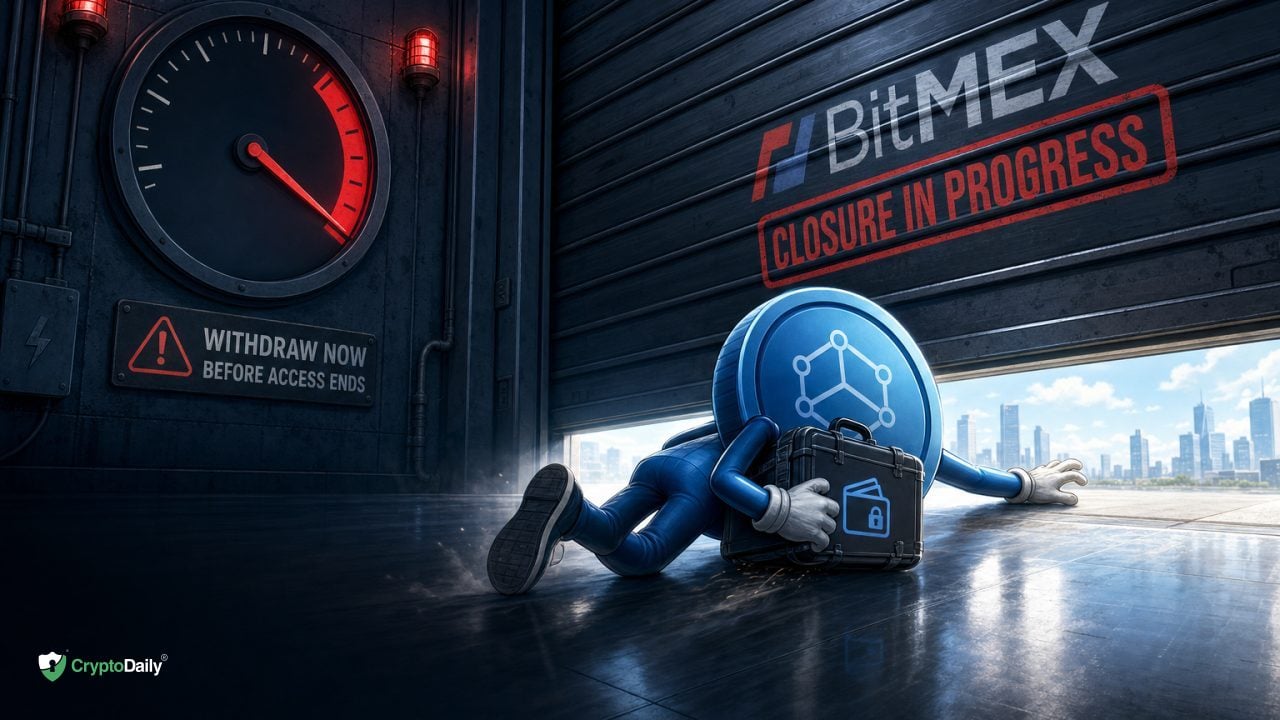
If you’ve still got funds or open positions on BitMEX, the clock is ticking. The exchange has announced it’s shutting down, and there’s a firm deadline. This guide walks you through what to do today, how to exit cleanly, and what happens if you wait too long.
I’ll keep it straight and practical: clear steps, real dates, and the gotchas that trip people up during exchange wind-downs. No hype. Just the safest path off the platform before the doors close.
Withdraw all assets and close or reduce any open positions well before September 23, 2026 at 04:00 UTC. BitMEX has said it will stop new registrations immediately, switch to reduce-only trading ahead of shutdown, and force-close remaining positions at the closure time. Expect stricter risk limits during the wind‑down and a fee for balances left behind.
- Closure Time: September 23, 2026 at 04:00 UTC (BitMEX).
- Reduce-only from August 26, 2026 at 04:00 UTC; no new positions after that (BitMEX).
- Any positions left at the deadline will be force-closed; some may be closed earlier to manage risk (BitMEX).
- KYC-verified users who don’t withdraw in time face a monthly account fee of $50 or 1% per annum, whichever is greater (BitMEX).
What’s the timeline and what changes when?
BitMEX announced on July 23, 2026 that it will permanently close on September 23, 2026 at 04:00:00 UTC. That’s the hard stop for trading and the time they plan to force-close anything that’s still open (BitMEX).
Two things kicked in right away: no new account registrations, and a public wind‑down path. On August 26, 2026 at 04:00 UTC, BitMEX said it will apply risk limits so traders can only reduce existing positions; new positions won’t be allowed from that point (BitMEX).
At the actual Closure Time, any lingering open positions are slated to be force-closed. BitMEX also stated it may close positions earlier if needed for an orderly exit. Translation: don’t assume you can run it to the final minute and still control the outcome (BitMEX).
Context matters here: daily volumes on BitMEX were reportedly around $400,000 with market share under 0.01% at the time of the announcement, per Reuters citing Kaiko. Thin liquidity can make late exits more painful if many users try to unwind at once (Reuters).
How do I withdraw safely today?
Think in two tracks: clean up your trading book, then move your funds. Don’t do it in reverse if closing positions requires collateral shifts or margin balances.
Here’s a quick checklist before you press withdraw:
- Confirm your email, password, and 2FA all work. If you need a 2FA reset, start now — support queues grow during wind‑downs.
- Verify your KYC status in the account section. If anything is pending or expired, fix it first.
- Close or reduce open positions. Reduce-only means you can’t add to risk later, so be deliberate.
- Decide your destination wallet and network. Double-check the chain and format of the address you’ll use.
- Run a small test withdrawal before sending the full balance.
On the withdrawal itself, pick the asset from your wallet page, choose the correct network, and paste your address carefully. If you’re not sure which network is supported for a token, check inside the withdrawal form — that’s the authoritative list on the day. Fees and minimums will be shown there as well. If your balance is under the minimum, consider consolidating or swapping within the platform if available, then withdraw the consolidated amount.
After you send the request, watch for email confirmations or security prompts. Don’t click links from DMs or random emails claiming to be support. Go to the site directly to approve anything.
Pro tip: Do a tiny test send first. Confirm it lands in your destination wallet and that you used the right network. Then move the rest. It costs a bit more, but it dramatically lowers the chance of a one-tap mistake you can’t reverse.
How should I unwind open positions without getting caught by a forced close?
Forced closures are blunt instruments. You lose control of price, timing, and potential slippage. BitMEX has been clear that anything open at the deadline will be closed, and it may even close earlier to maintain an orderly exit (BitMEX).
Given the reduce-only phase starts August 26, 2026 at 04:00 UTC, plan to be flat before then if you rely on adding hedges or rolling into offsetting legs. If you wait, you might find you can only shrink risk, not reshape it. For spread or basis traders, unwind both legs deliberately; don’t leave a naked side hanging if one market moves faster than the other.
Keep an eye on liquidity and funding dynamics. With a thinner order book, market orders can bite. Use limit orders where possible, scale out in chunks, and accept that you might not get the absolute best tick. Good enough, early, beats perfect, late.
Make sure your margin is sufficient during the exit. Sudden volatility plus reduce-only rules can still trigger liquidations if you abandon a position and walk away. Monitor until you’re flat.

Where should I send the funds? Wallet options compared
If you don’t already have a self-custody plan, now’s the moment to set one up. There isn’t one perfect choice; there’s the option that fits your risk tolerance and timeline.
| Destination | Best for | Pros | Trade-offs |
|---|---|---|---|
| Hardware wallet (e.g., Ledger, Trezor) | Long-term holding, higher security | Keys offline; strong security model; supports multiple assets | Costs money; setup takes time; must manage backups and firmware |
| Mobile self-custody wallet | Quick setup, smaller balances | Fast to deploy; good UX; easy for test withdrawals | Phone risk; fewer advanced controls; careful with cloud backups |
| Desktop wallet | Power users, multisig setups | Deeper controls; easy to pair with hardware wallets | More steps; requires diligent updates and backups |
| Another centralized exchange (CEX) | Immediate trading needs | Fast deposits; can rotate to other assets quickly | Introduces fresh counterparty risk; mind deposit networks and tags |
Whatever you pick, write down a durable backup method. If you choose another CEX, triple-check deposit networks and any required tags or memos. A single missed tag can strand funds in limbo for weeks. If you choose self-custody, follow the wallet’s recovery phrase instructions exactly, store it offline, and don’t type it into any website offering to “check your balance.”
What fees, limits, and gotchas should I expect on the way out?
Timeline-linked fees matter. BitMEX has said KYC-verified users who haven’t withdrawn by the Closure Time will be charged an account fee of 50 USD (or 1% per annum, whichever is greater), billed monthly on the remaining balance (BitMEX). That’s on top of any network fees for withdrawals.
Within the platform, expect normal on-chain withdrawal fees and minimums, which vary by asset and network. Those can change with market conditions. If you’re dealing with dust-sized balances below the minimum, consolidating assets before withdrawing can help, if the feature is available. If it isn’t, you may need to accept that some tiny leftovers aren’t economical to move.
Limits: as the wind‑down progresses, some features may be restricted or disabled to reduce operational risk. The big one we know is the shift to reduce-only trading from August 26, 2026 at 04:00 UTC. Don’t plan any strategy that depends on opening fresh exposure after that (BitMEX).
Finally, watch for withdrawal processing times. During peak exits, queues can form. That’s another reason to move early, not on the final day when everyone else is hitting the same button.
How do I stay safe from scams during a wind‑down?
Every exchange closure attracts opportunists. Some try phishing. Others push fake “support” chats or airdrops. Stay on the official site and status pages, and don’t trust DMs offering help. If a message pressures you to act immediately or asks for your seed phrase, it’s a scam. No legitimate team will ask for your private keys or recovery words.
Protect against address poisoning. On networks like Ethereum, attackers may drop look‑alike addresses into your history. Always copy your destination address from the source wallet directly and confirm the first and last several characters before sending. Consider whitelisting withdrawal addresses if that feature is available in your account settings.
One more: don’t install random “withdrawal helper” browser extensions. They often ask for broad permissions, capture clipboard data, or inject malicious code into crypto sites. Keep your machine clean, update your OS, and use unique passwords.
Official BitMEX announcement banner from the exchange’s closure blog post — useful to verify the shutdown notice and the published closure date. — Source: BitMEX (official blog)
Can institutions and API users exit cleanly?
Yes, with a plan. If you run bots or have programmatic connections, schedule a staged unwind before reduce-only kicks in on August 26, 2026 at 04:00 UTC. After that, your automation should be aligned with reduce-only constraints. Remove logic that tries to open new risk, or it will just error out or behave unpredictably.
For teams, coordinate access: confirm who holds withdrawal permissions, who approves address whitelists, and where the funds will land. If you rely on custodians or compliance tools, validate they can accept transfers on the target networks and that your whitelists are active.
Export everything. Pull position history, fills, withdrawals, and account statements for audit and tax needs. Once the platform closes, you may still be able to request records, but don’t count on fast turnarounds during a wind‑down. Archive now, not later.
Common Mistakes
- Waiting until the last week. Liquidity can thin out, queues grow, and you lose flexibility. Start now and pace your exits.
- Using the wrong network. Sending a token over an unsupported chain can strand funds. Match network to your destination wallet’s supported chains.
- Skipping a test withdrawal. One small test can save an irreversible loss. Don’t go all-in on the first try.
- Leaving open hedges unpaired. If you unwind one leg and not the other, a market move can hit your margin. Flatten deliberately and monitor until you’re flat.
- Ignoring the post-deadline fee. KYC-verified users with balances after the Closure Time face a $50 or 1% p.a. monthly charge. Don’t pay to procrastinate.
If you want straight updates and context on exchange shifts like this, you can always check Crypto Daily for ongoing coverage and deeper reads.
Frequently Asked Questions
What if my position is still open right at the deadline?
BitMEX stated it will force-close any open positions at the Closure Time, and it may close some earlier to ensure an orderly exit. If you want control over price and timing, close or reduce well before the deadline (BitMEX).
My 2FA is broken and I can’t log in. What now?
Start a recovery with support immediately. Identity checks take time, and queues lengthen during wind‑downs. The sooner you start, the better your odds of getting access back before the deadline.
Will I be able to open new positions if markets move and I change my mind?
No after August 26, 2026 at 04:00 UTC. BitMEX said it will enforce reduce-only risk limits from that time. Assume no new risk can be added past that point (BitMEX).
What happens to tiny dust balances below withdrawal minimums?
Policies vary by asset. If in-platform conversion is available, consolidating dust into a single asset may help you meet minimums. Otherwise, extremely small balances may be uneconomical to withdraw.
Can I still register a new account to help with withdrawals?
No. BitMEX stopped new registrations as of the announcement on July 23, 2026. Use your existing, verified account to withdraw (BitMEX).
What if my withdrawal is pending when the platform shuts down?
Plan to avoid that situation by moving early. In general, once a withdrawal is broadcast on-chain it settles on the network, but queueing at the exchange level can delay broadcast. Initiate well ahead of peak times.
Will there be statements or records available after the shutdown?
Exchanges usually provide a path to retrieve records, but response times can be slow during closures. Download your full history and tax reports now so you’re not stuck later.
Disclaimer: This article is provided for informational purposes only. It is not offered or intended to be used as legal, tax, investment, financial, or other advice.
Related Stories